
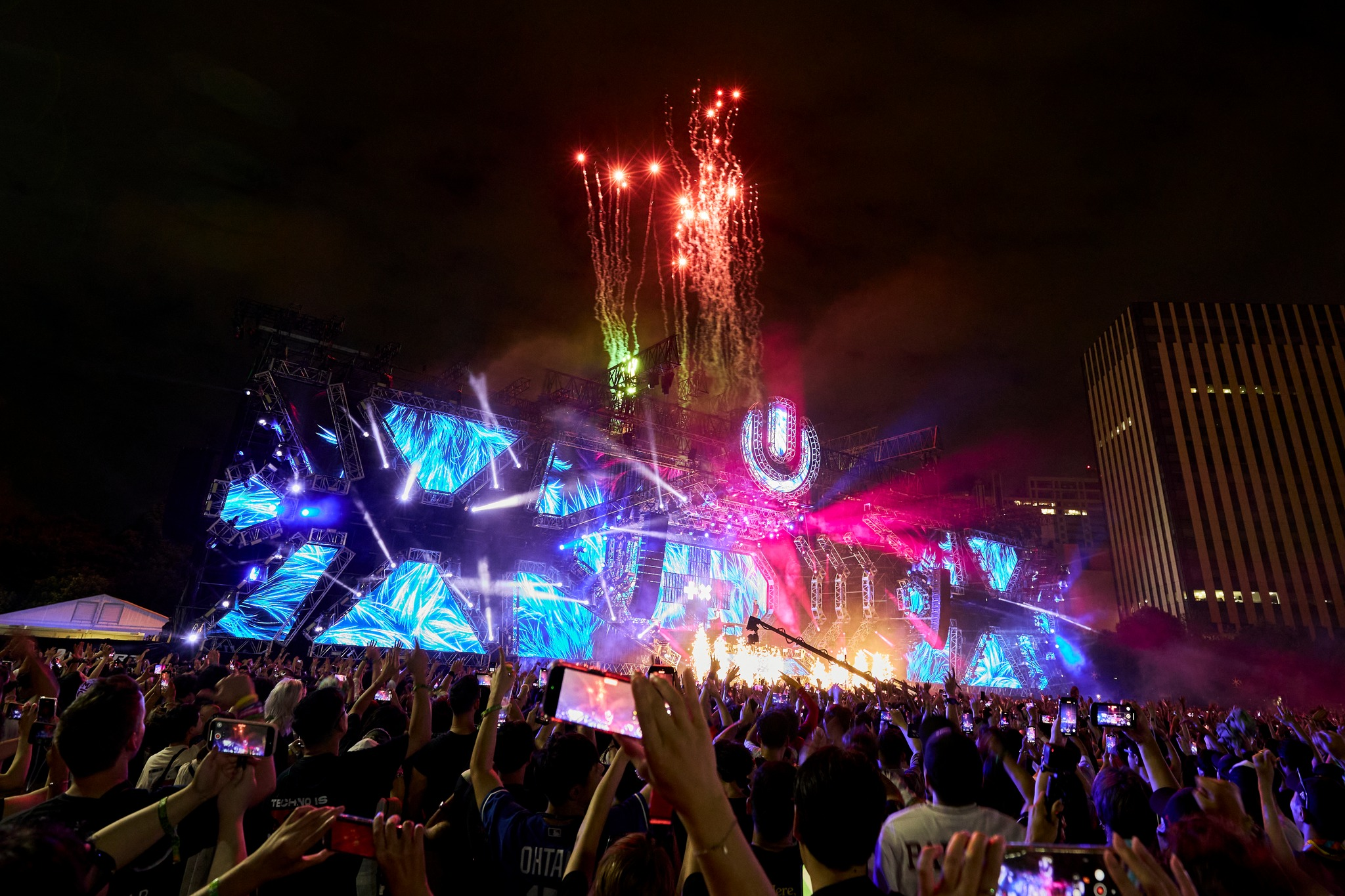
Ultra Japan returned to Tokyo’s sleek, convenient, and uniquely urban Odaiba Waterfront from September 13-14, marking the festival’s 10th anniversary.
Unlike most festivals stranded in the wilderness, this one sits between the ocean and a shopping mall, where you can grab sushi, shop for souvenirs, and still hear Martin Garrix drop “Animals” in the distance.
Having attended Ultra Japan in 2023, we’d describe this year’s experience as familiar but fuller. Everything that makes Ultra Japan dependable was still there: tight organization, great sound, and a clean, city-friendly setup. Yet the crowd size, easily exceeding 50,000 attendees per day, pushed comfort to the limit. Stage transitions, drink lines, and post-show exits all turned into slow-moving rivers of polite ravers. Still, there’s nowhere else you can rave beside a life-sized Gundam.
Read EDM Maniac’s full report on Ultra Japan 2025 below.
Vibes: ★★★☆☆
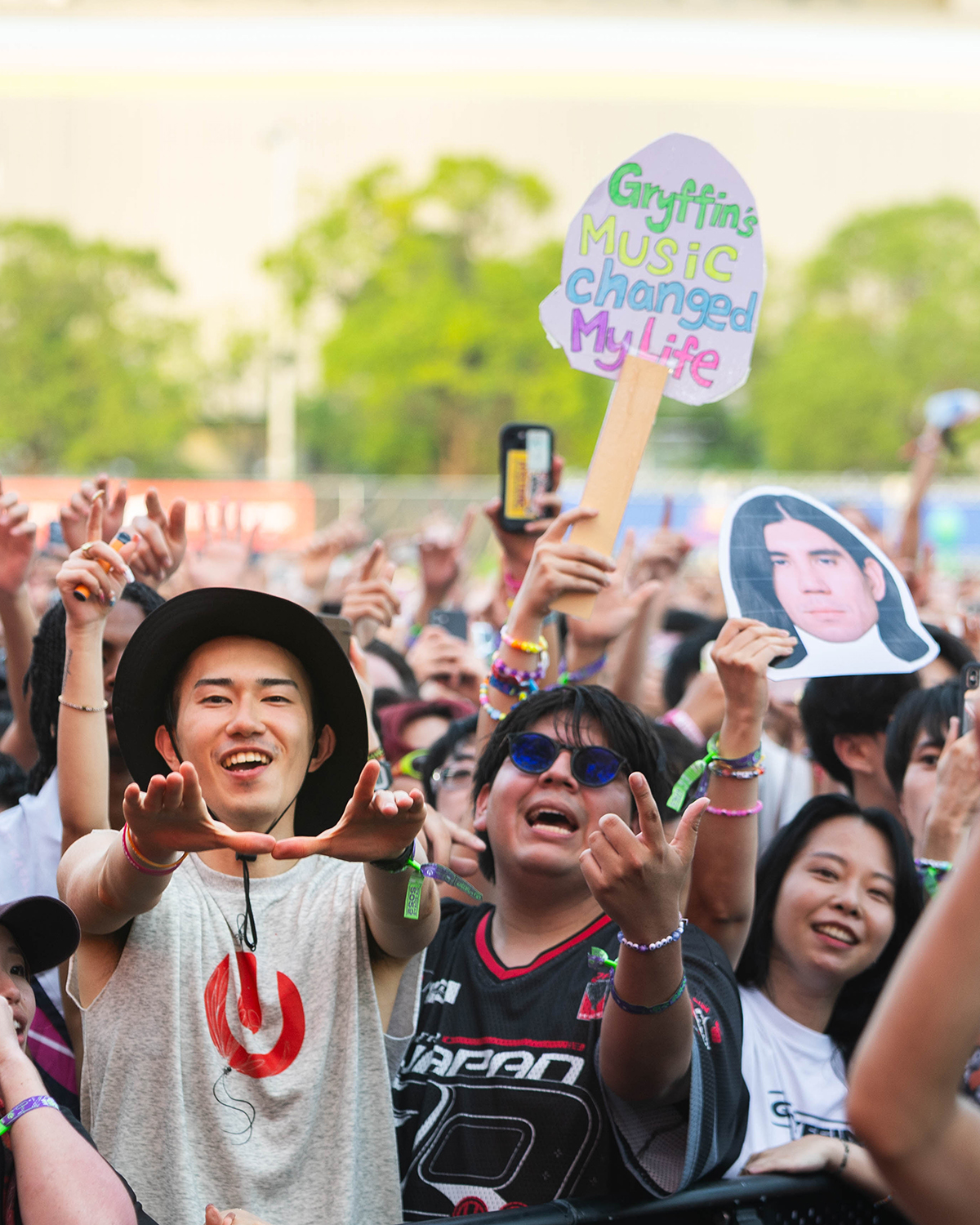
Ultra Japan 2025 delivered the best of Japanese rave culture—organized, respectful, and quietly euphoric. The audience was massive, possibly more than any prior year, yet the atmosphere never slipped into chaos. Even in the tightest spaces, people offered small bows when bumping into each other. It’s a cultural superpower—to rage and remain considerate.
The crowd was mainly local, but plenty of fans flew in from Taiwan, Hong Kong, Korea, and the West, creating an international but refined energy. Fashion was Tokyo-level stylish; everyone looked ready for a photo shoot rather than a mud pit. Dancing leaned more subtle than wild, but when the crowd sang along in unison, it felt powerful and sincere.
The downside was density. The humid afternoon heat made some look dizzy, and moving between the main stage and RESISTANCE could take significantly longer during peak hours. After the fireworks, the festival’s single exit meant departure was a slow crawl, lasting 40 minutes to an hour.
Production: ★★★★☆
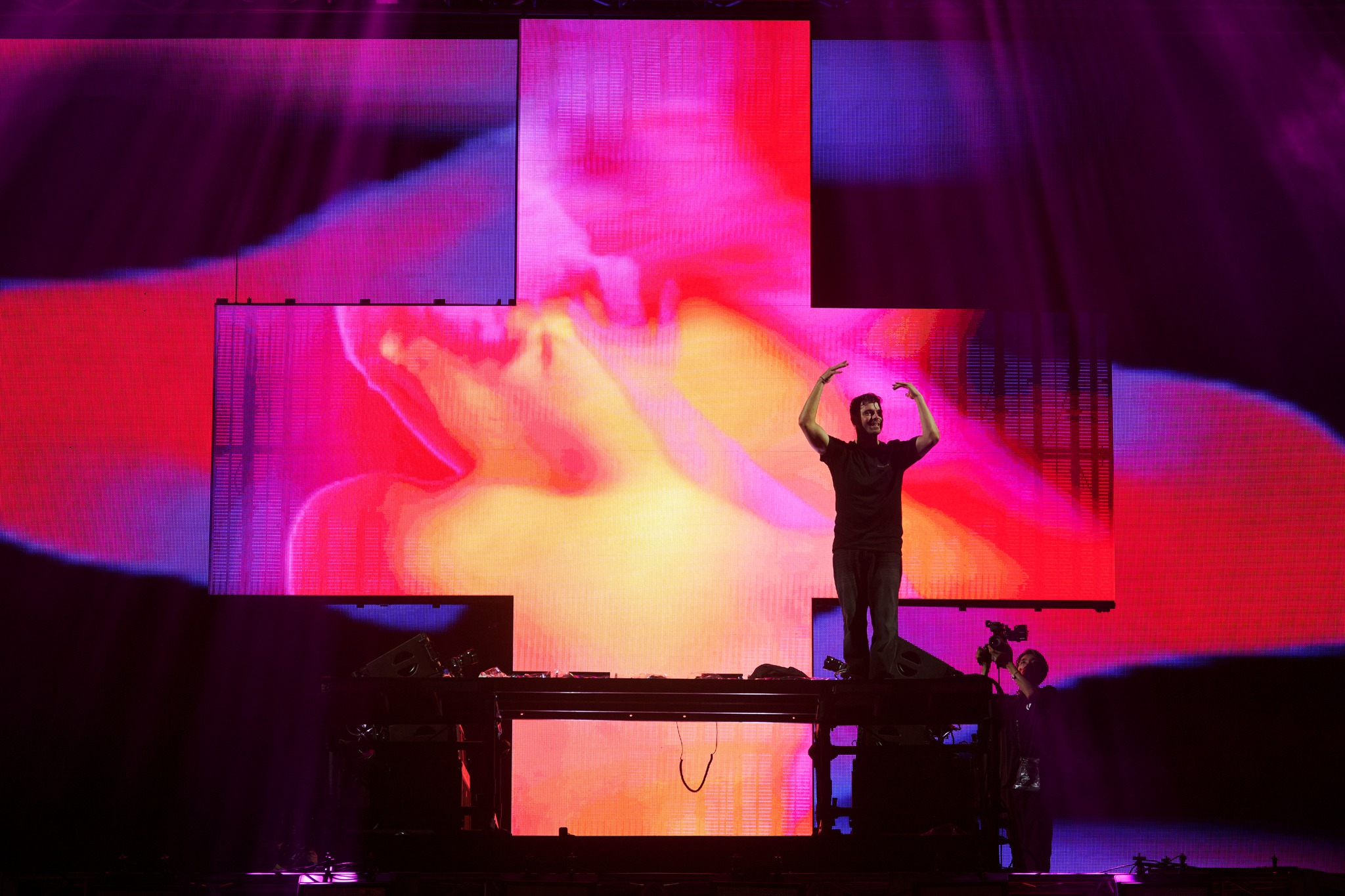
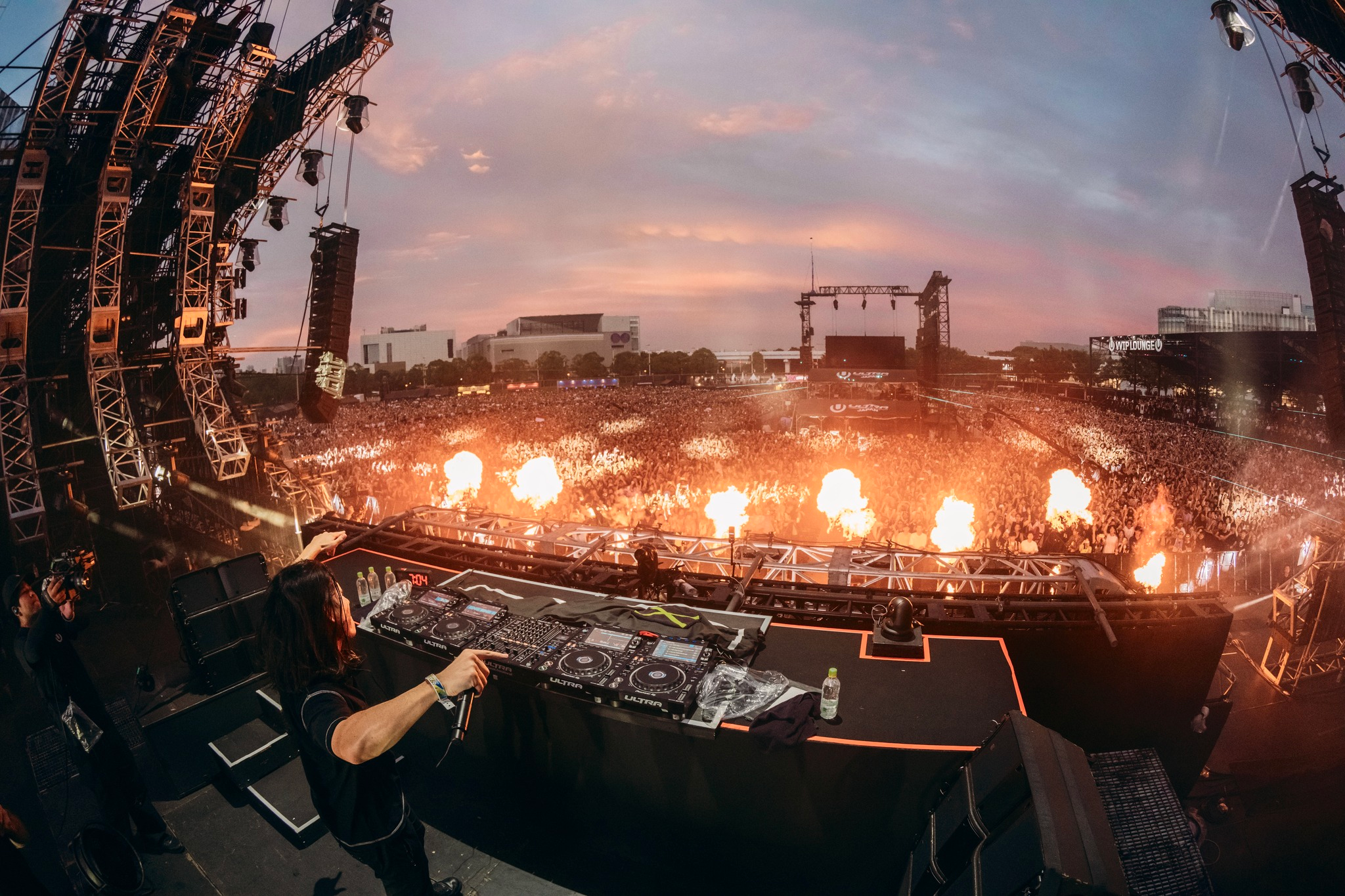
Ultra Japan continues to set the bar for technical precision. The sound system was flawless—deep bass, crisp highs, no distortion, and a mix that proved music doesn’t need to be deafening to feel massive. Visually, the main stage brought everything we expect from Ultra, with synchronized pyro, tight lasers, and LED towers that danced with the skyline.
RESISTANCE went fully open-air this year, dropping its signature tunnel from 2023. The change split opinions: some missed the immersive underground feel, while others enjoyed the expanded space and breeze. Artists like Amelie Lens, Adam Beyer, and Korolova owned the night with relentless techno.
The only letdown was the fireworks. For a 10th anniversary milestone, they were underwhelming. Graceful, yes, but far too modest for Ultra’s usual spectacle.
Music: ★★★★☆
The lineup this year was as balanced as it was bold. Day one hit hard with variety: DJ Snake delivered a creative, genre-hopping set that fused trap, dubstep, and pop edits; SLANDER went emotional with melodic bass anthems like “Love Is Gone”; and MORTEN brought his signature Future Rave to Tokyo’s shores. Over at RESISTANCE, Amelie Lens and Adam Beyer commanded an unbroken wave of techno precision.
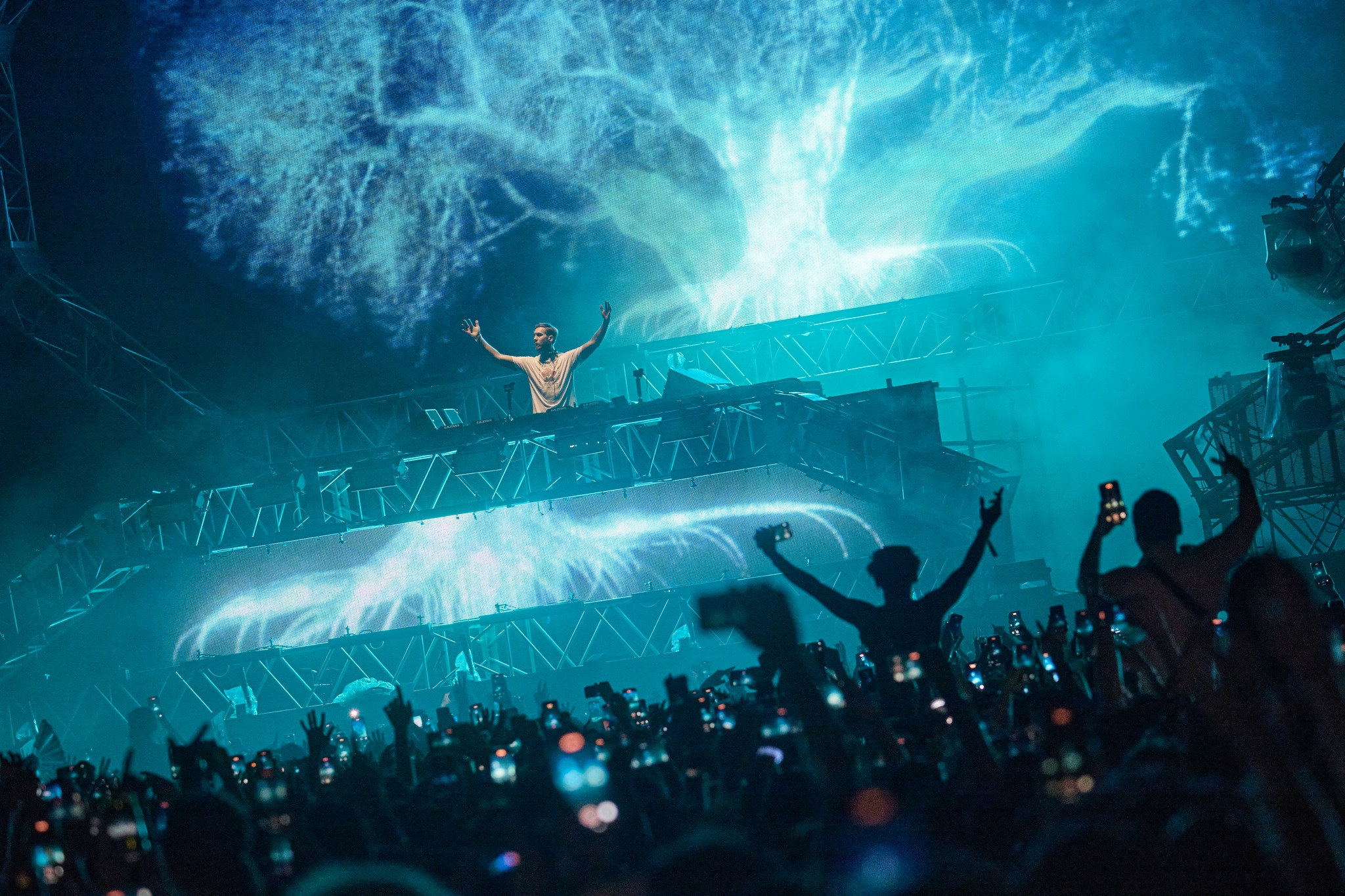
Day two eased into melodic nostalgia. Calvin Harris closed the festival with timeless hits that had the entire crowd singing along. Though not the wildest closer we’ve seen at Ultra, his set was perfectly tuned to Japanese taste for melody and nostalgia. Hardwell brought the energy, Gryffin the warmth, and Black Tiger Sex Machine injected dark bass before sunset.
Compared to previous years, this edition felt like the same formula, but leveled up. Ultra Japan didn’t reinvent itself—it refined itself.
Venue: ★★★☆☆
Odaiba Ultra Park is both Ultra Japan’s strength and bottleneck. The bayfront location is stunning and easily accessible by train, bus, or taxi. Entry was impressively smooth, split into multiple gates and a separate re-entry line with minimal waiting. But once inside, the festival’s single main corridor connecting the two stages struggled under the crowd.
At night, additional crowd control rerouted part of that corridor, briefly confusing attendees. It wasn’t unsafe, but it wasn’t pleasant either—navigation turned from a casual walk into strategic maneuvering. The toilets, however, were a triumph: clean, plentiful, and still usable even by the end of day two. Just don’t wait until peak hours to make the trip; crossing the mainstage crowd could easily add more than 15 minutes to your mission.
Odaiba’s charm remains, but with this many people, the venue’s limits were clear. A bit more breathing room would make all the difference.
Food & Beverage: ★★★★☆
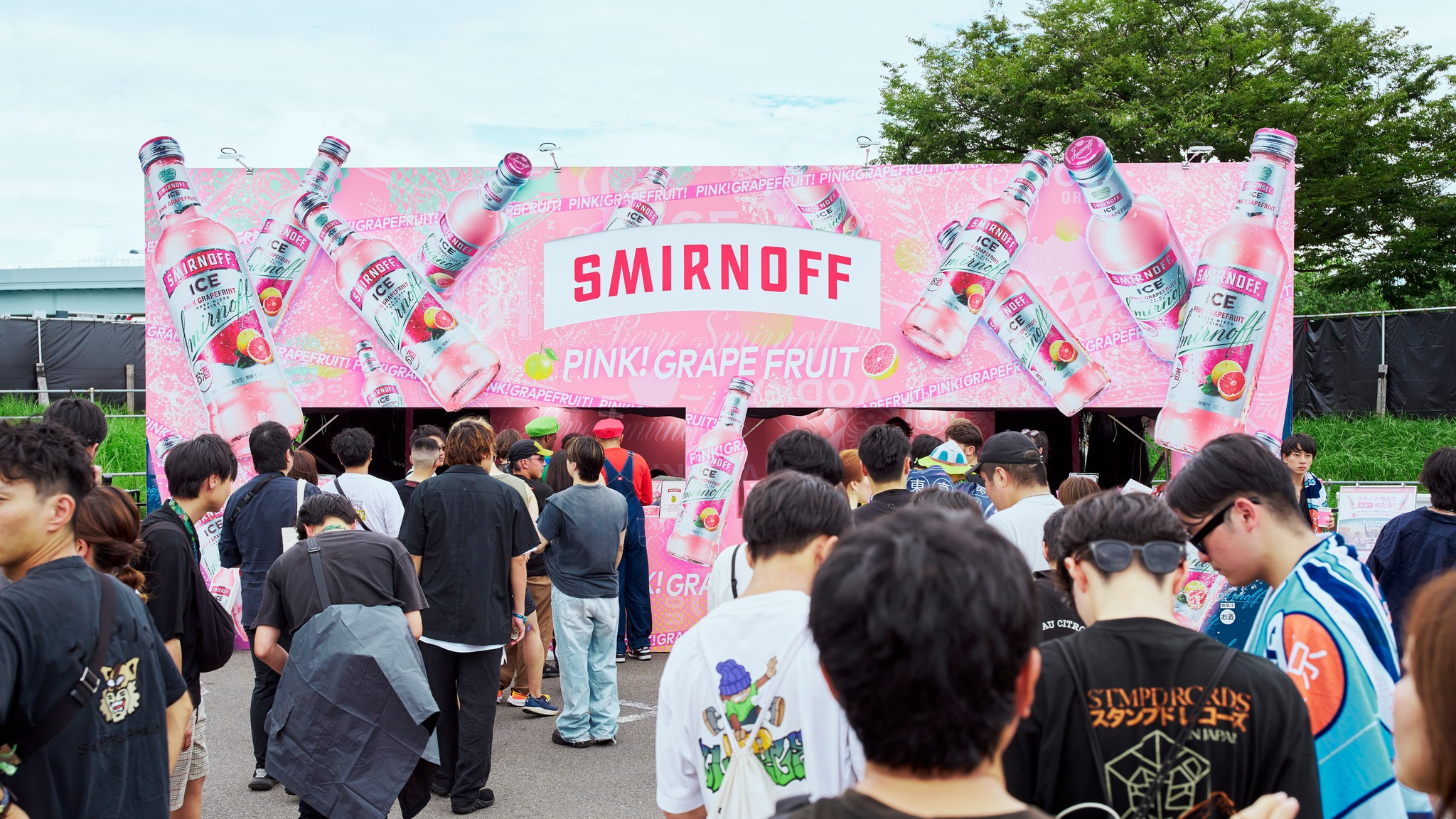
The food court was a celebration of Japan’s street flavor. From yakisoba and okonomiyaki to beef skewers and takoyaki, everything tasted freshly made and was fairly priced, ranging between ¥1000 and ¥1500 per meal (approximately $6.50 to $10 USD).
Though lines for food moved fast, alcohol queues were a test of patience; getting a drink could take you up to an hour. Each bar offered its own cocktail variations, which added personality. And the soft drink area was blissfully quick.
The variety and quality of Ultra Japan’s food and beverage offerings gave it a local flair missing from most global festivals. Eating here didn’t feel like survival—it felt like part of the Japan experience.
Overall: ★★★★☆
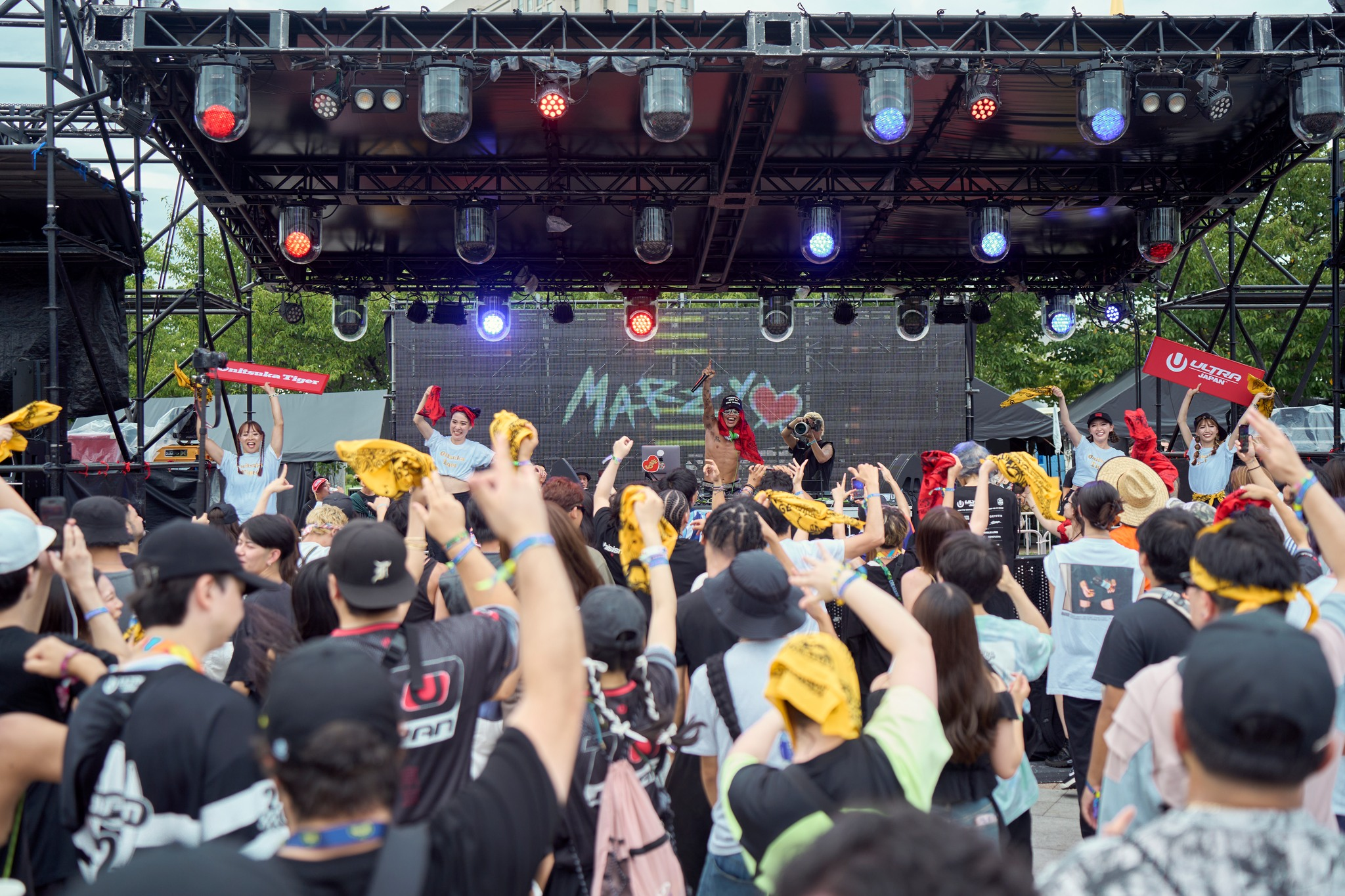
Ultra Japan 2025 delivered world-class moments, but overcrowding clearly tested the limits of its beloved Odaiba venue. For future editions, either expanding the grounds or reconsidering the internal layout could help. Ultimately, the festival needs more flexibility to absorb such massive crowds.
Still, what sets Ultra Japan apart is its balance of culture and chaos. It’s a place where ravers can go hard yet stay courteous. It may not be the wildest festival in Asia, but it’s easily one of the most well-executed. For anyone who wants to experience electronic music through a distinctly Japanese lens—polite, stylish, and deeply passionate—Ultra Japan 2025 delivered exactly that.
Find EDM Maniac’s complete Festival Report Card archive here.
Featured image courtesy: Ultra Japan.
