

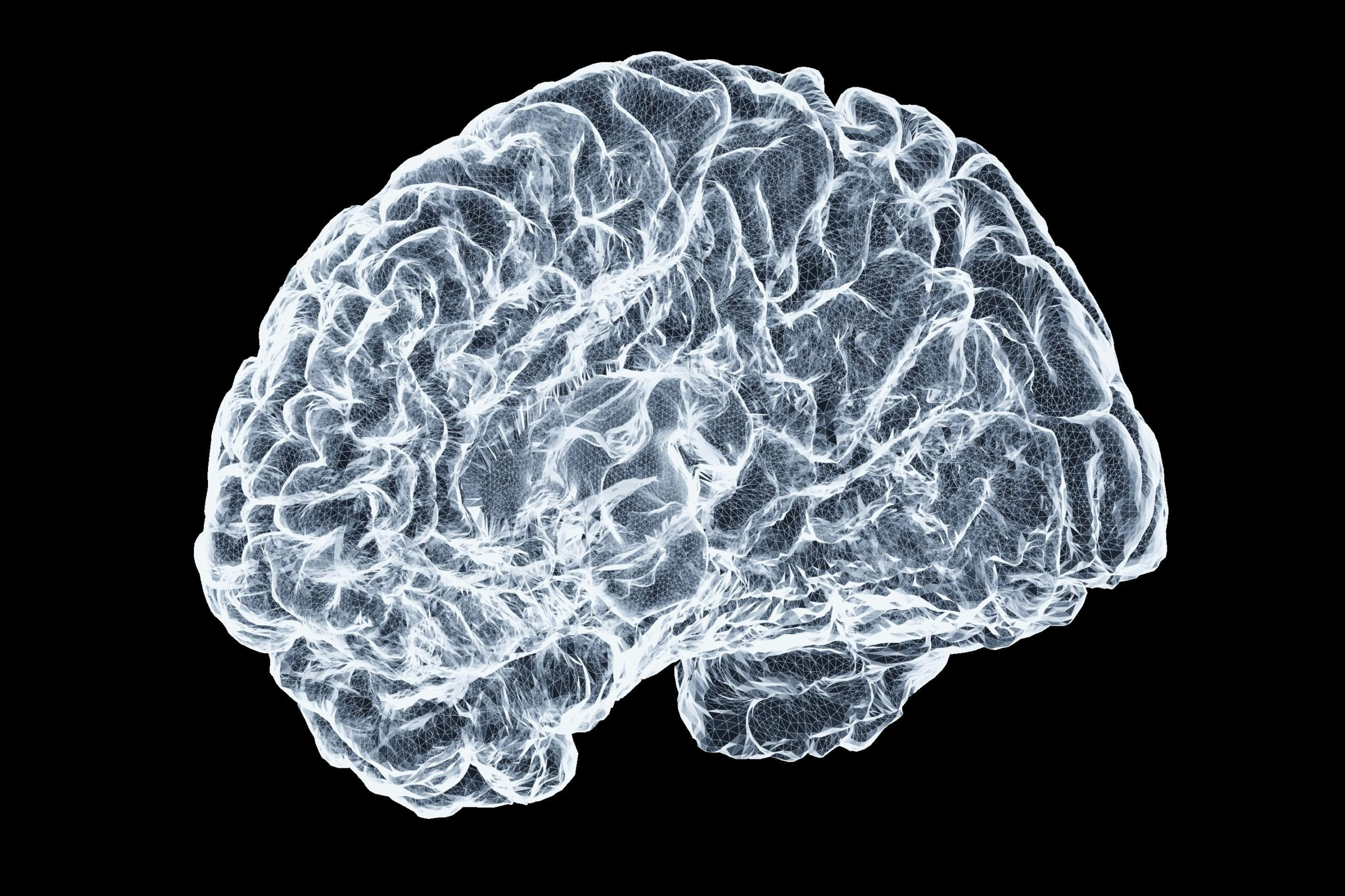
Research shows Neurodivergence is often more common among ravers than in the general population, and brain science helps explain why.
Studies exploring links between electronic music and brain science reveal a strong connection between neurodivergence and an affinity for the genre. A 2022 survey by the Association for Electronic Music (AFEM) polled 137 electronic music industry professionals. Fifty-eight percent of them identified as having a neurodivergent condition, and 38% were clinically diagnosed. By contrast, it’s estimated that neurodivergence rates in the general public range from 15% to 20%, according to the National Library of Medicine.
These statistics beg the question: What makes the electronic music scene so alluring to neurodivergent people? As it turns out, a look at science and culture offers insight into how electronic music and the rave community have become a haven for neurodivergent artists and fans.
Neurodivergence is an umbrella term for brains that process information differently from what science considers “typical.” ADHD, Autism, Dyslexia, and Tourette’s Syndrome are all considered forms of neurodivergence. These conditions affect traits like attention, emotional regulation, sensory perception, and social skills.
While historically stigmatized, modern perspectives view neurodivergence as a natural variation of human biology, yet the world can still feel unforgiving to those who face challenges. Diagnosed or not, it’s common for people who identify as neurodivergent to develop creative tools and outlets to self-regulate and navigate life. That’s where electronic music comes into the picture.
It’s well known that music has a powerful impact on the mind and body, and many neurodivergent individuals find that electronic music helps them focus and process emotions. A January 2025 study by researchers at London’s King’s College found that music helps the brain release energy and mood-regulating neurochemicals, such as dopamine and serotonin.
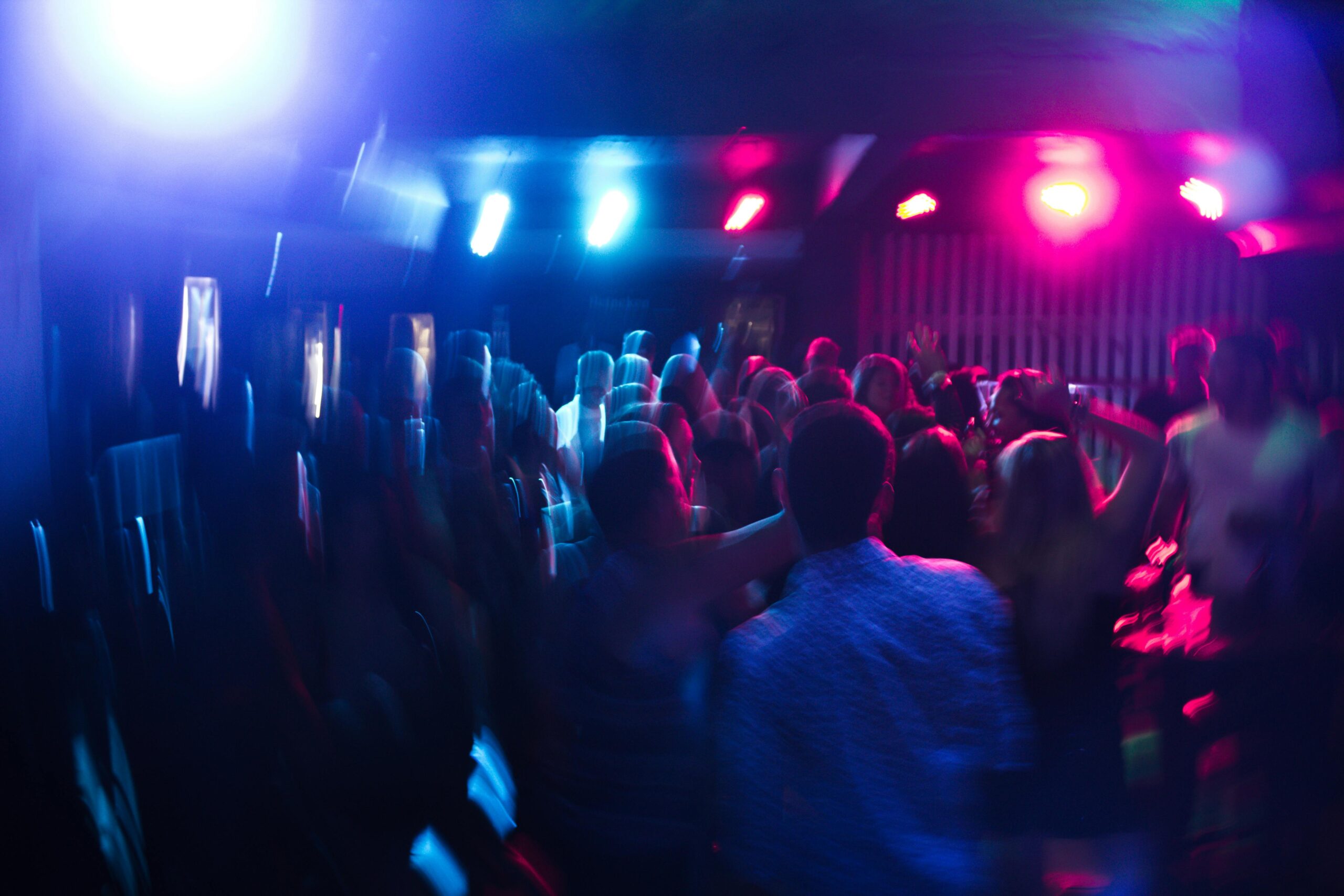
This effect can help alleviate the disruptive symptoms of conditions like ADHD, which is linked to low dopamine levels in the brain, irregular attention, and mood instability, according to researchers. People with ADHD often require higher levels of sensory stimulation to help them focus and perform tasks (like listening to energetic music while working or doing chores). It’s perhaps unsurprising that some people with ADHD find high-stimulation environments like music festivals and raves grounding, even when others might find the same environment overwhelming.
A February 2025 study published in Experimental Gerontology shows that the rhythmic nature of music also boosts cognitive function. Repetitive beats in music can alter brain activity in humans, and the rhythms found in electronic music can serve as a cognitive anchor for people with ADHD and some people with autism, according to an October 2024 study by Brain.fm. In a 2022 story for DJ Mag, music journalist Harold Heath speculated that many people with autism find the structured stimulation of electronic music helps soothe and regulate their unique sensory needs.
Movement and dance also play a crucial role in enhancing physical well-being. Neurodivergent brains are often prone to nervous system dysregulation, which contributes to conditions like anxiety and depression. Physical movement, such as exercise, yoga, and dance, can alleviate these symptoms by calming the nervous system. When paired with the mood and cognition-boosting effects of music, movement essentially becomes medicine for neurodivergent bodies (and neurotypical ones, too).
Neurodivergence comes with unique challenges and obstacles in a person’s life, but it can also become an asset. In his DJ Mag story, Heath explained that some people find that neurodivergence gives them an edge in creativity, sociability, empathy, and intuition—and these qualities all shine in the music industry.
Artists can use music to communicate feelings and emotions that are difficult to express in other ways, and many neurodivergent producers use their craft as a form of self-expression and human connection. Artists who may struggle to communicate and socialize through conventional means can create meaningful bonds with others through their music, and neurodivergent fans who experience the same challenges can benefit from this connection.
Sharing a common life experience with a favorite artist can help individuals feel seen, and the rave can serve as a safe and supportive social outlet for neurodivergent people who may otherwise struggle to make social connections.
The fast-paced lifestyle and atypical working environments of the music industry also make a career in electronic music a good fit for neurodivergent folks. Travel, late nights, and creative projects in the studio are a perfect fit for people whose neurodivergence thrives on novelty, while project-based work, technical tasks, and working independently can help individuals who thrive on structure or need space to operate on their own terms.
While the connections individuals make with electronic music are unique, the most important reason the dance music scene and rave culture appeal to neurodivergent communities is likely a familiar one. Music, dance, creative expression, and community bonding have been important parts of human life throughout recorded history, and the electronic music scene creates spaces for people to reconnect with these basic needs.
The modern world bombards humans with rules, expectations, and environments that do not align with our biological programming or social needs, regardless of neurotype—even more true in a tumultuous and divided society. Therefore, it’s perhaps unsurprising that people of all brain types find belonging in a culture that appeals to our most basic and ancient human desires: acceptance, liberation, creativity, and connection.
Featured image courtesy: Unsplash.com.
