In Detroit, Memorial Day isn’t the only holiday that comes on the last weekend in May.
Each spring, thumping electronic beats and shouts of “Happy Techno Christmas!” flood the streets surrounding downtown Detroit’s Hart Plaza, where Movement Music Festival (and before it, Detroit Electronic Music Festival) honors the city’s legacy as the birthplace of techno with a weekend celebration that brings the global scene back to its roots.
In the 20 years since local promoter Paxahau took the helm in 2006, the three-day festival has grown from a grassroots event to a fixture of the industry calendar, revered for programming that puts the biggest stars in house and techno next to the visionary Detroit artists who built it.
In a festival landscape dominated by massive main stages and outsized production, it remains a relatively hidden gem, even in its own city, which, like the rest of the world, all too often neglects techno’s Black American genesis for the beats of its European successors. But those who look beyond the lasers and pyro and into Detroit’s very much living music history are rewarded with one of the most authentic and community-driven dance music experiences on offer. For the artists, promoters, and local techno lovers at the heart of it all, Movement just means more.
Back in the Motor City from May 23-25 with headline performances from Carl Cox, Sara Landry, Dom Dolla, Richie Hawtin, KI/KI, Green Velvet, Maceo Plex, Blawan, Mochakk, and more, the festival’s rainy 20th anniversary edition was as magic as ever. Read EDM Maniac’s full report on Movement 2026 below.
Quick Takes
Best moments: Carl Cox returns to Movement. Claude VonStroke closes his set with “Who’s Afraid of Detroit?” Green Velvet drops “Percolator” in the sunshine on day three. DJ Bone blows the crowd away with a bass-boosted edit of Pharoahe Monch’s “Simon Says.”
Needs work: More GA spaces to sit and chill. More protection from the elements. Lasers would be nice.
Hidden gems: Overmono’s futuristic rave beats. Mark Flash’s legendary funky techno selections. Underground Music Academy and Resident Advisor’s “Respect the Architects” exhibit.
Audience Match
Who this festival is for: Music historians. Audiophiles. Techno superfans. Locals and their families. Tourists venturing beyond the corporate festival circuit.
Maybe skip if: You’re craving lasers and massive production. You prefer to stick to what you know.
Vibes: A
On the country’s biggest bank holiday, you’ll find the real heads in Detroit. With wide-ranging lineups that compile major artists with mass appeal, cult heroes, emerging names, and the city’s homegrown talents, Movement manages to baptize countless rave newbies and still keep the O.G.s coming back.
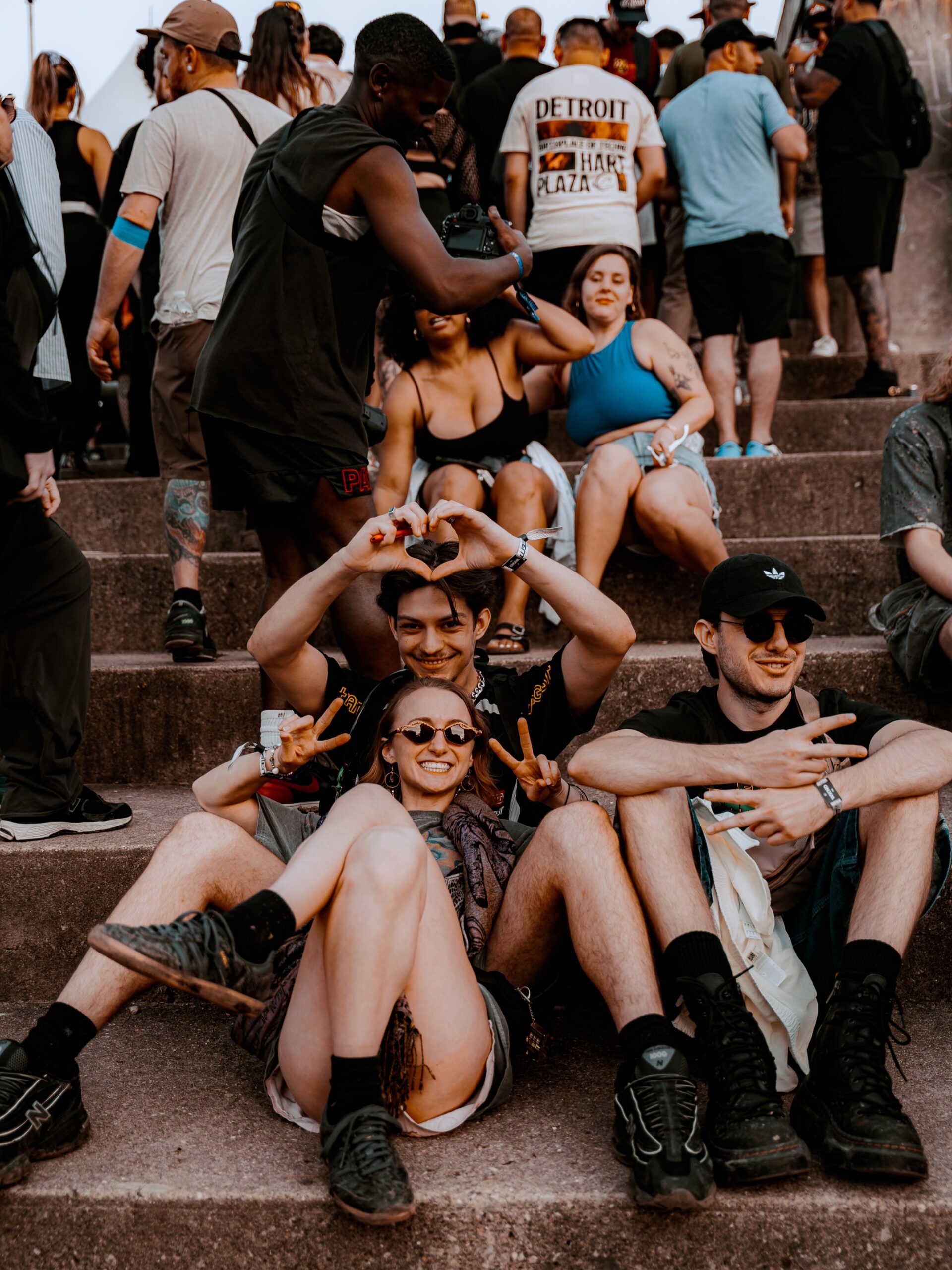
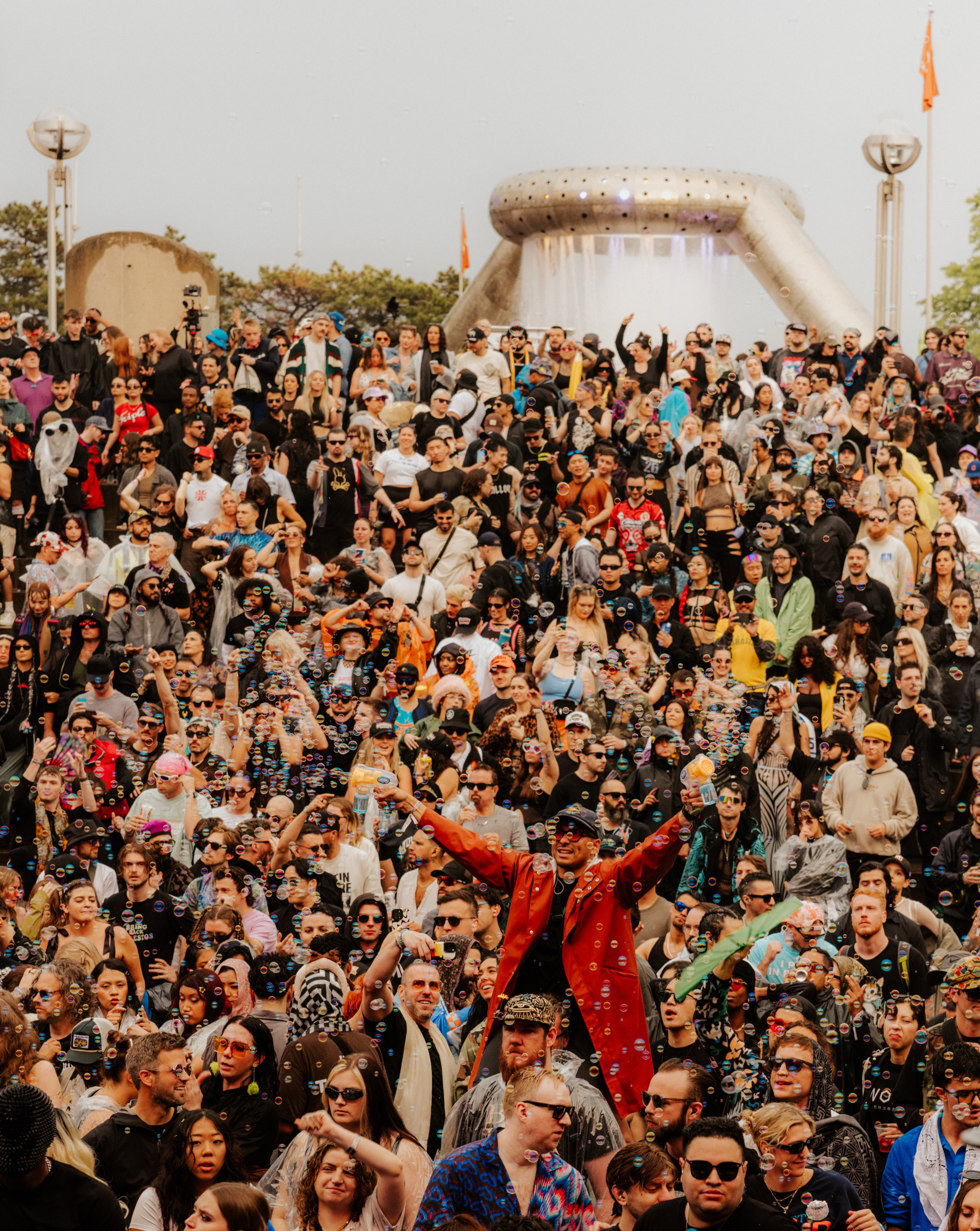
This year’s crowd was one of the more polite and experienced bunch of festivalgoers we’ve come across: Locals who’ve “been attending Movement since before it was Movement.” International tourists making their techno pilgrimage. College students in from Ann Arbor. Pioneers shaping the sounds of Detroit on the front lines. Families passing the tradition down to their young children.
Locally organized since its inception, the festival is a reunion for multiple generations of techno lovers who have lived its history firsthand. With the whole world watching in the digital age, it’s also an invariable showpiece for Detroit’s proud music community, which came out in force. Even two days of rain couldn’t slow down this party.
Perhaps more block party than festival—smaller crowds and intimate stages in a public park beneath Detroit’s downtown skyline—Movement almost feels like a private gathering hosted by techno’s most important figures. As evidenced by on-stage remarks and dozens of post-gig social media posts, artists and fans share a distinct reverence for the space.
Those who show up are deeply attuned to the environment and make the festival a beautiful celebration of a too-often-underappreciated music culture. There were almost no phones in sight, and we’ve rarely felt a stronger erasure of the barriers, physical and contextual, between dancer and DJ.
Production: B
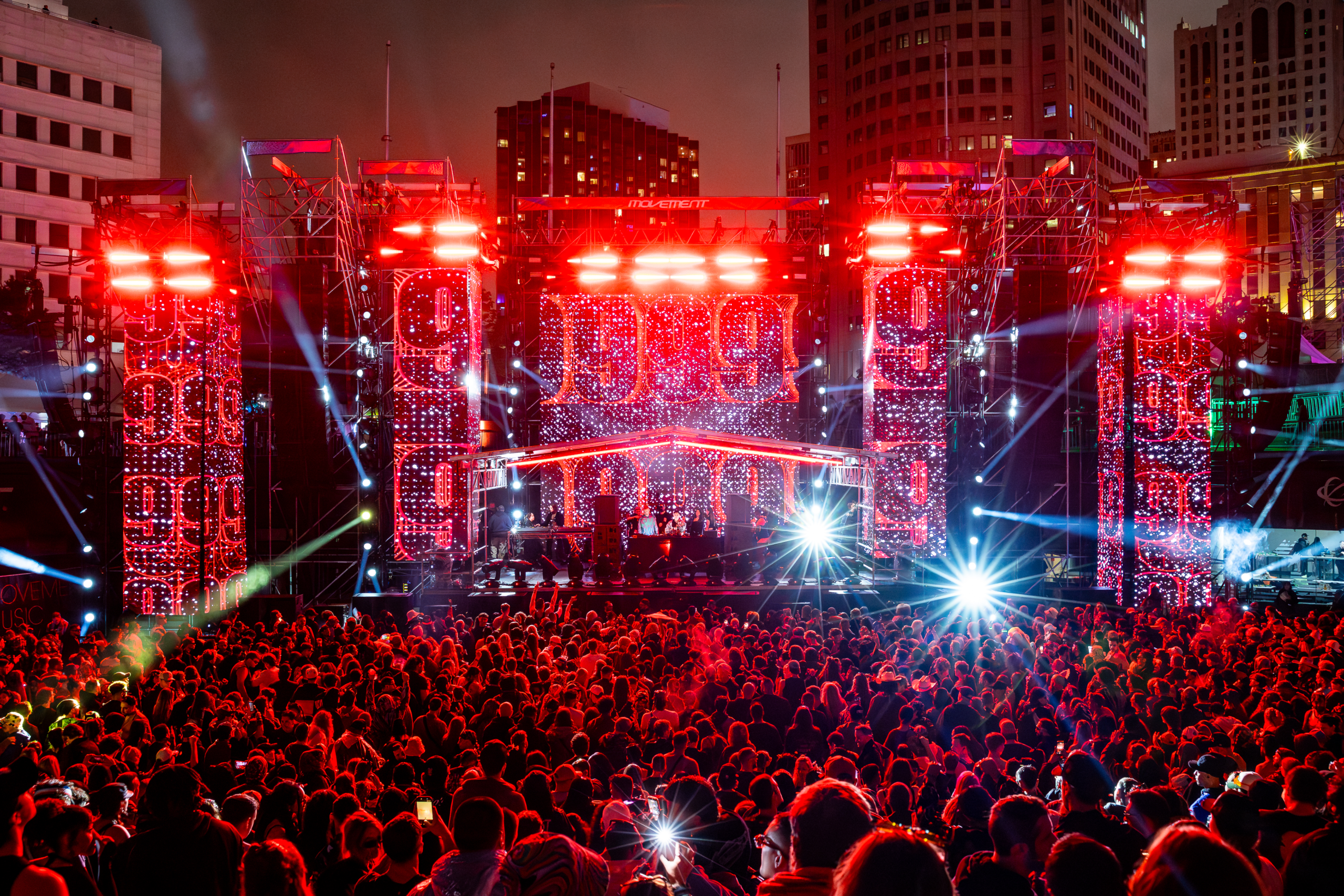
Framed by Detroit’s downtown skyline, Hart Plaza’s concrete sculptures, and the riverfront, Movement’s six tastefully stripped-back stages functioned as an extension of the landscape and an evolution of the renegade feel that defined techno’s origins—with the firepower of cutting-edge sound, lights, and video.
You won’t see any lasers, but creative stageline builds, well-placed LED screens, swirling spots, strobes and booming sound systems do plenty of heavy lifting. The emphasis is on audio.
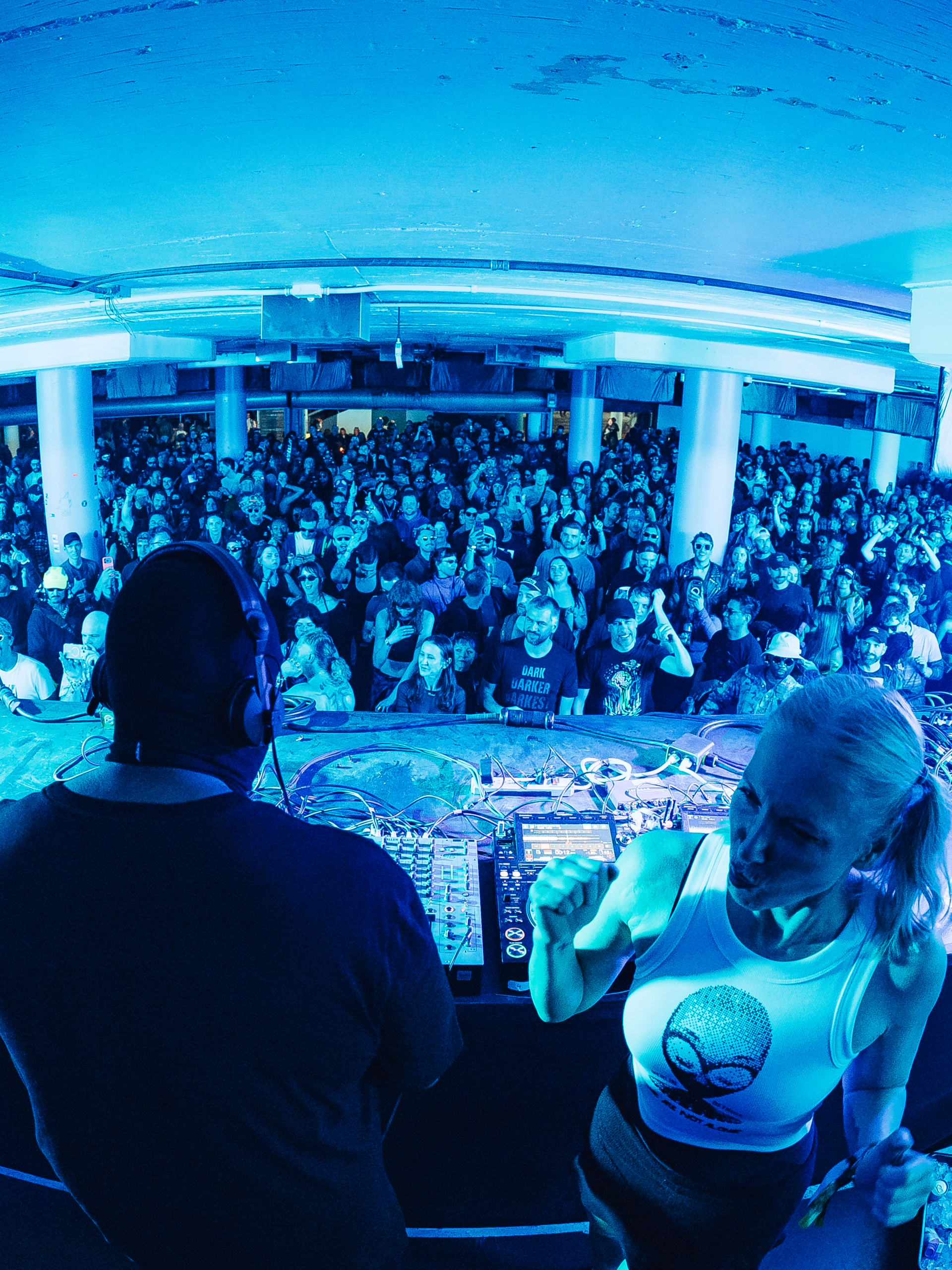
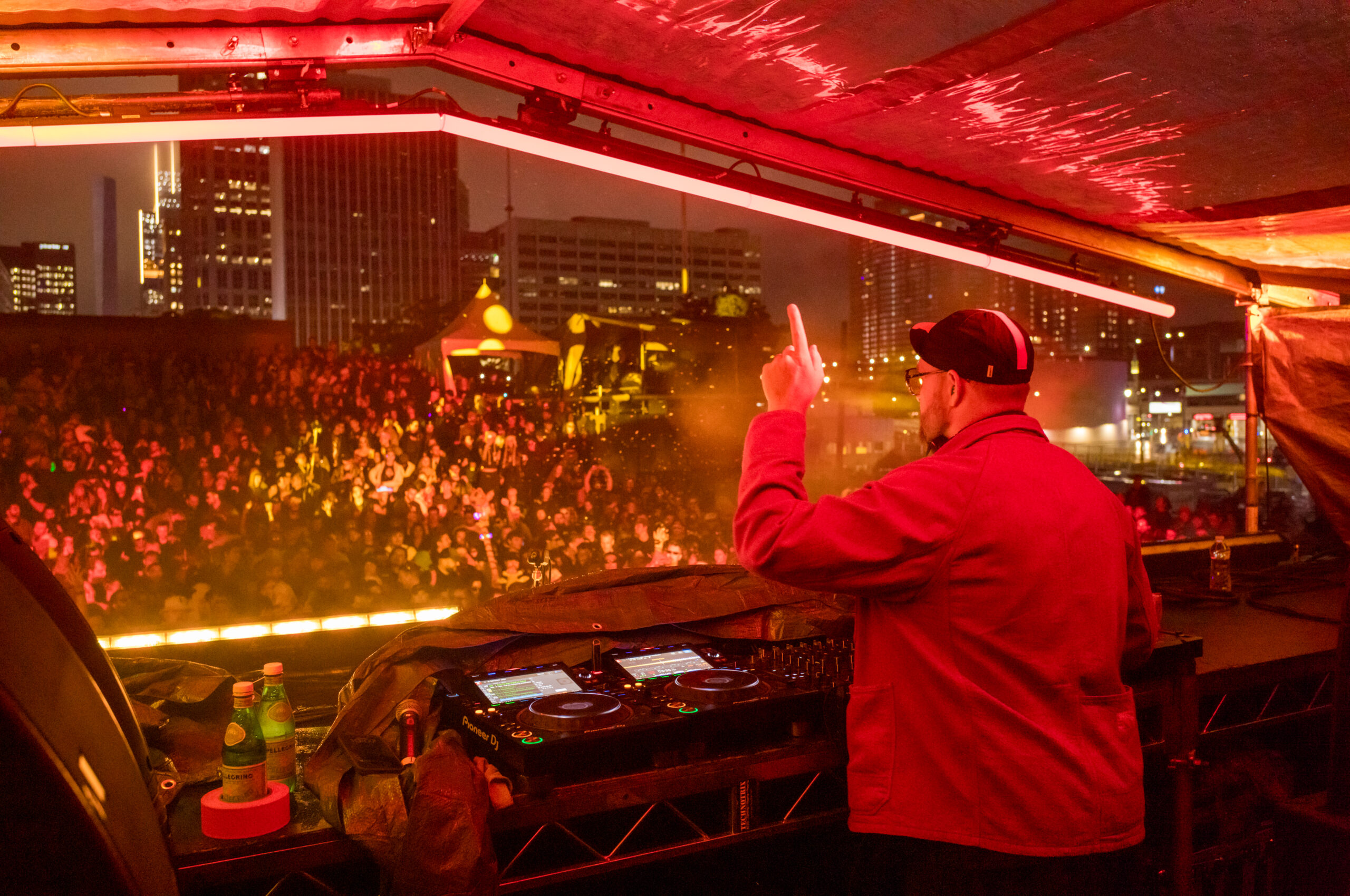
Set at the base of Hart Plaza’s permanent amphitheater steps, the Movement main stage is the festival’s largest. Featuring a roofed DJ booth (rain or shine), backed by an LED video wall and flanked by two more towering screens on each side, it’s the destination for the lineup’s biggest acts and most recognizable Detroit figures. Like a cauldron, the enclosed amphitheater setting bubbles away with moving bodies, and from the steps or on the main floor, there isn’t a bad seat in the house.
The first stage to welcome festivalgoers through the gates, Stargate got a major update this year with sleek, skyward lighting and video towers that resembled nearby skyscrapers along Jefferson Avenue. Hosting emerging Motor City talent and community staples, the Detroit stage brought minimal production and pop-up energy to the trees near the festival entrance.
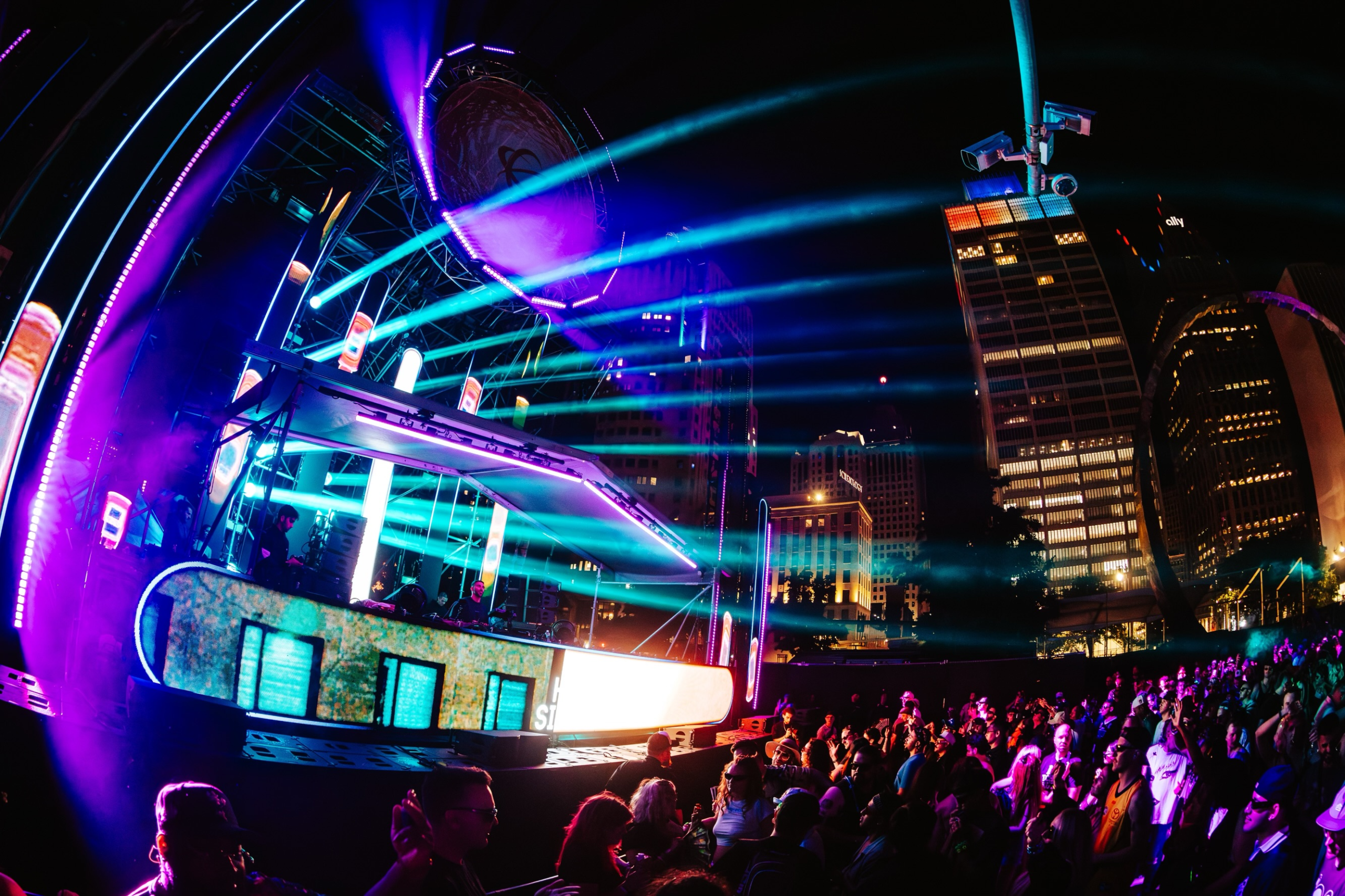
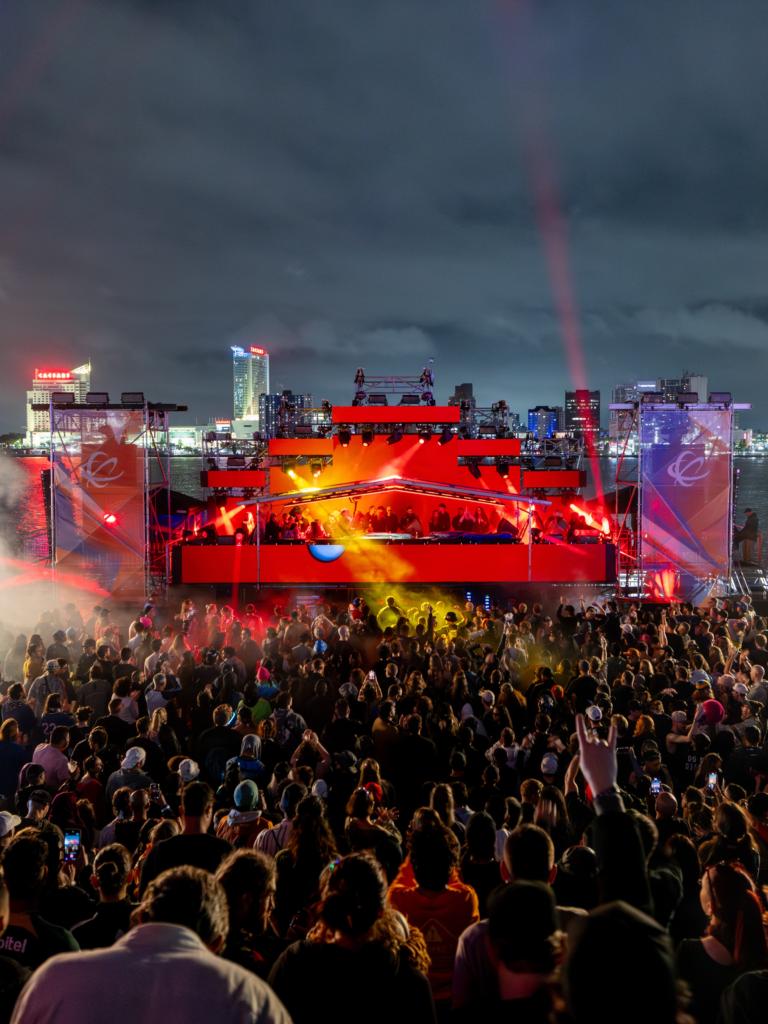
On the other side of the grounds, the Pyramid stage’s LED facade emulated the adjacent concrete pyramid sculpture that becomes another tiered dance floor in front of it. Shrouded in fog with the Detroit River as a backdrop, at times it appeared to float directly on the water.
Though its dance floor was set on an incline and slippery with mud for most of the weekend, the Waterfront stage offered more views of the river. The setup left more stage space for live acts, but we hoped for more than its single standard video wall, with views impeded by pop-up tents used to keep the decks dry from rain for parts of Saturday and Sunday. The lights were still on point, though.
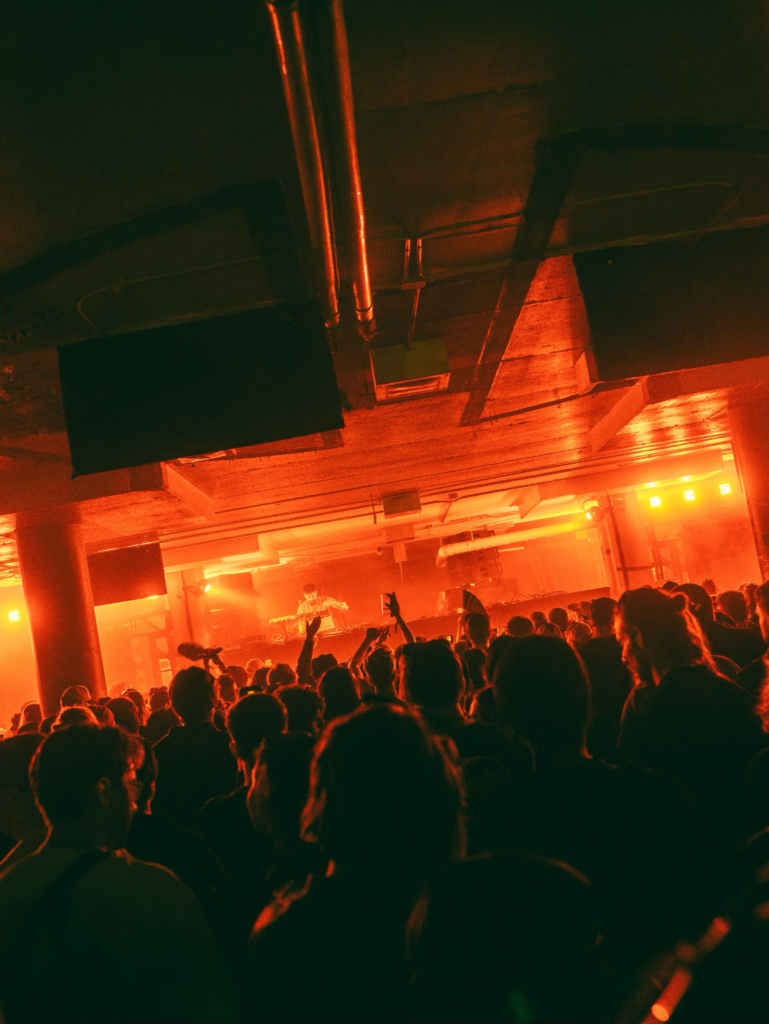
But Movement’s most iconic dance floor is the Underground stage, a throbbing concrete techno dungeon in the bowels of Hart Plaza, washed in flashing lights, heavy strobe, and the loudest bass at the festival. Even from the back, our bodies vibrated with each bass hit.
As many techno heads might have it, Movement is known for pushing sonic limits on the low end. But depending on your preference, the festival can be loud to a fault. With six stages packed into 10 acres of mostly concrete park space, sound bleed is inevitable. Standing at the Dodge Fountain at the center of the festival can be dizzying before your ears lock into a stage, but even from the rail at the exterior stages, we could hear the distant rumble of subwoofers as audio engineers competed to deal with the bleed.
Music: A
Movement gets everyone involved. Techno is the entry point, but the sonic palette extends far beyond local and even global genre sounds. House music, UK garage, drum & bass, electro, and jungle are all pieces of the puzzle, and are represented by the best DJs in their field. And while pulling dozens of globally renowned acts that rarely make it to the Midwest, each year, the festival renews its vows to the local scene that started it all.
From Motown to ghettotech and the city’s heralded underground hip-hop culture, if it’s distinctly Detroit, you’ll find it at Movement. The magic is in the history and the context of hearing the city’s legends on their home turf.
Bouncing between raindrops and stages on day one, we locked in with ghettotech legend DJ Godfather’s booty-shaking techno, electro, and Miami bass on the Waterfront before grooving with underground staple Octo Octa, legendary funky techno artist and Underground Resistance affiliate Mark Flash, and to a barrage of bouncy beats by fan-favorite B2B partners Zack Fox and Jyoty. As the sun set, we caught a few cool house tracks from Detroit’s own Stacey Pullen as part of a Stargate takeover by Carl Craig’s Detroit Love.
In our peak-time highlights, Detroit-to-Dirtybird staple Claude VonStroke cruised through tons of material from his new album, Wrong Number, before closing with his 2006 breakout hit and Motor City anthem, “Who’s Afraid Of Detroit?,” and passing the baton to fellow Detroit legend Richie Hawtin, who weaved crisp hi-hats with his famous brand of industrial techno. We ended our night with techno it-girl Sara Landry, who turned back the clock with a set of hard techno deep cuts and early productions.
Elsewhere on day one, fans caught groovy house performances from Carl Craig B2B Cajmere, Colette B2B DJ Heather, Stacey Hotwaxx Hale, and Eats Everything, and European heavyweights like 999999999, Dax J, and Chris Liebing and Speedy J’s Collabs3000 project, plus emerging selector JMT, Detroit’s alt-hip-hop provocateur, Danny Brown, and a Motor-City-meets-Berlin B2B from Ellen Allien and DJ Stingray 313.
Day two mashed up all kinds of sounds, from the respective deep house, indie beats, and nudisco of TEED, Barry Can’t Swim, Skream, and DJ Harvey, to surging UK minimal house artist Josh Baker, and you-had-to-be-there techno bookings like Carl Cox, ANNA, Maceo Plex, Blawan (live), plus a rare B2B from The Martinez Brothers and Detroit techno founder Eddie Fowlkes. In addition to playing solo, fellow pioneer Kevin Saunderson showed out for a Pyramid stage KMS Records takeover and an e-Dancer performance with his son Dantiez. But our favorite moment came when we were pummeled by basement bass during ghettotech godfather DJ Bone’s set on the Underground stage.
Closing the weekend on a sunny day three, we caught UKG favorite Oppidan at the Waterfront stage before darting between gritty electro house beats from Tiga and a sunset set from Green Velvet, as well as dancey collaborative performances from DJ Heartstring B2B X CLUB. and Boys Noize B2B MCR-T at the Underground stage.
Avoiding the crowds for Dom Dolla, Mochakk, and Hot Since 82, we finished our night with some heavy jungle from Paul Woolford’s Special Request alias, acid techno darling KI/KI, and trailblazing Welsh rave duo Overmono’s second live set of the year, featuring tracks from their forthcoming album, Pure Devotion. More day three highlights came from Mija, NYC’s Tinzo + Jojo, Detroit’s own DJ Holographic, and DJ Minx’s House Your Life takeover, as well as a Waterfront D&B showing from Rudimental and Nia Archives.
Venue: B+
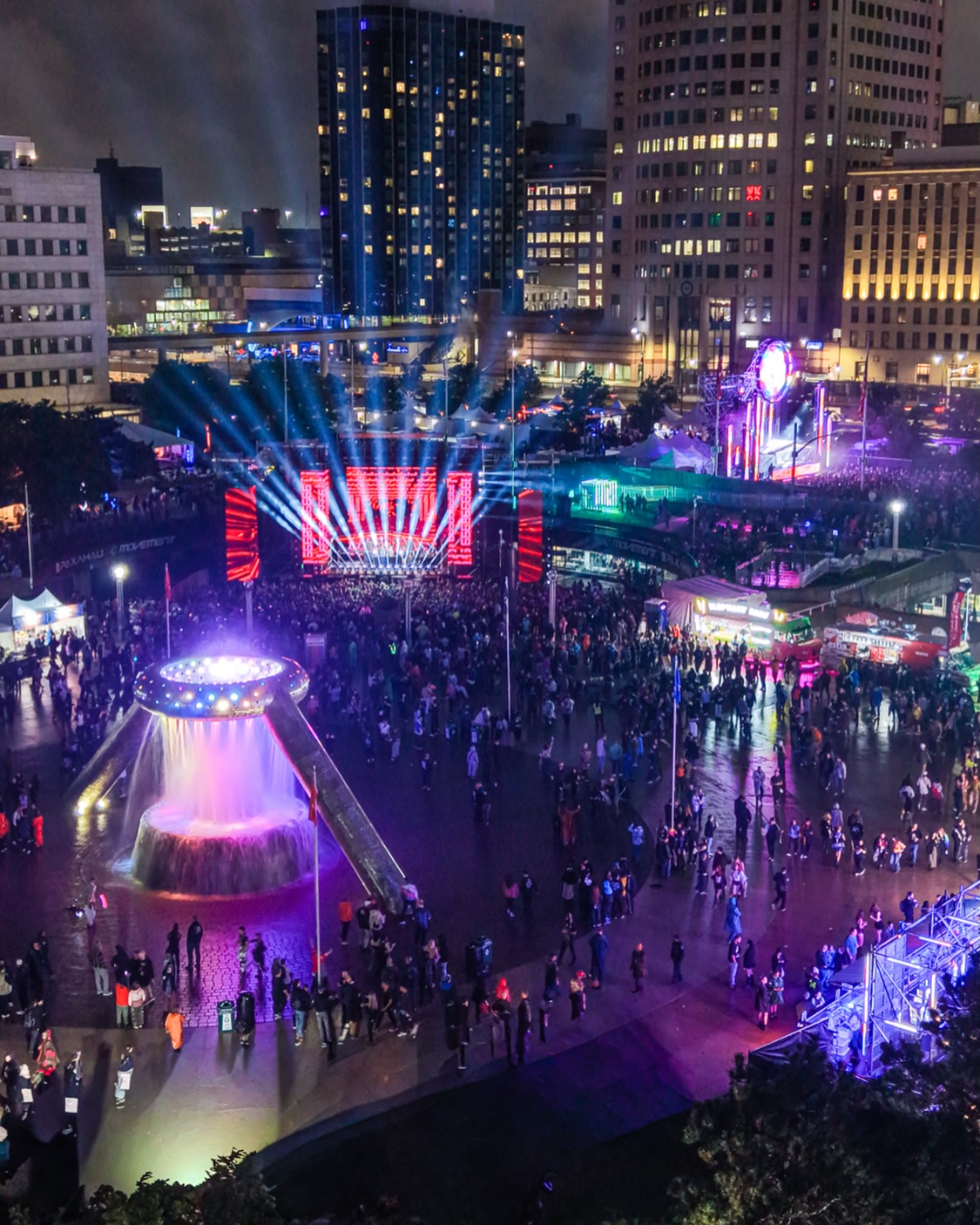
Movement’s home at Hart Plaza feels like it was made just for the festival. Located at the site believed to be where French explorers landed and later founded the settlement that would become Detroit, the public park was designed for large-scale events when it opened in 1975, complete with a permanent amphitheater, a 10-acre footprint, and 4 acres of event space below ground. Movement’s estimated 30,000-capacity crowd fills the plaza without overwhelming it.
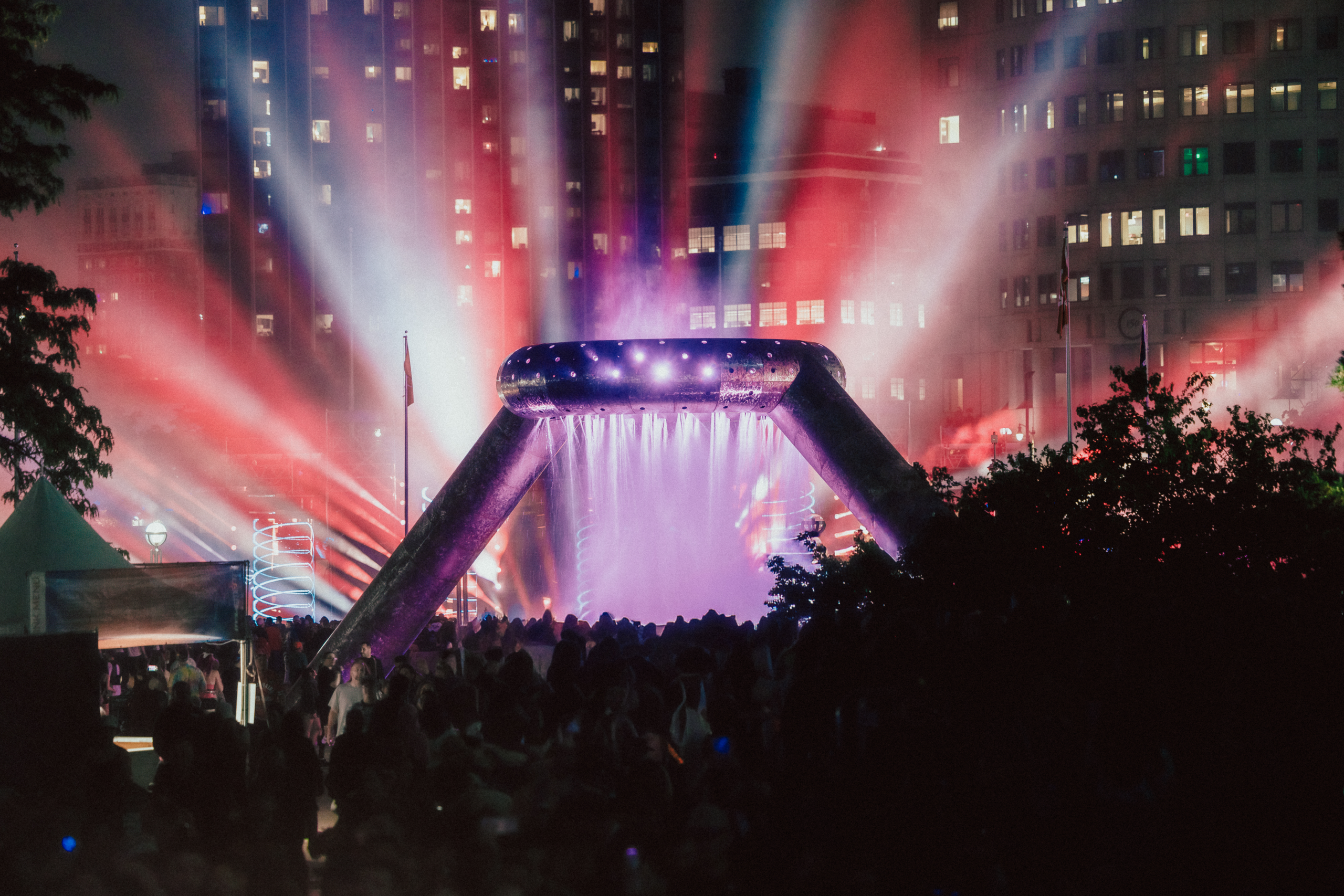
Unique sculptures like Stargate, the Pyramid, and the Ford Fountain, designed under the guidance of Japanese landscape architect Isamu Noguchi, are perfect landmarks for linking with your crew and, along with views of Canada across the river, give the space a distinct look you’ll only find at Movement (and the other local gatherings that move into the park during summer).
Walking around the quaint and easy-to-navigate plaza—even during its biggest event of the year—is a low-cortisol experience. You can dash between stages or to the central restroom location and be back on the dance floor in minutes. Entering and exiting the festival was also a breeze. With short lines and adequate security checks, we were kept safe and happy all weekend.
Organizers did a remarkable job of weathering the light but ceaseless raindrops on the first two nights. An incredibly slick and muddy surface at the Waterfront stage was mitigated by mulch by day two. Besides the muddy grass, Movement is a great pick for disabled ravers and is fully ADA-compliant, with paved walkways and all elevated platforms, including viewing areas at each stage, accessible via ramps.
Movement offers fewer amenities than you’ll find at other festivals, but fans are never underserved. As a city festival, the simple fact is that you’re not living on-site. Most folks rock up, dance, and head home (or to the afters). Two central (and clean) GA portapotty locations, trailer bathrooms in VIP, and 12 bar locations were plenty. Two medical tents were clearly marked and easily accessible, but the festival’s two water stations were a bit hidden and too few and far between. Lockers and phone charging were available for a fee.
Sidequest-ability: C+
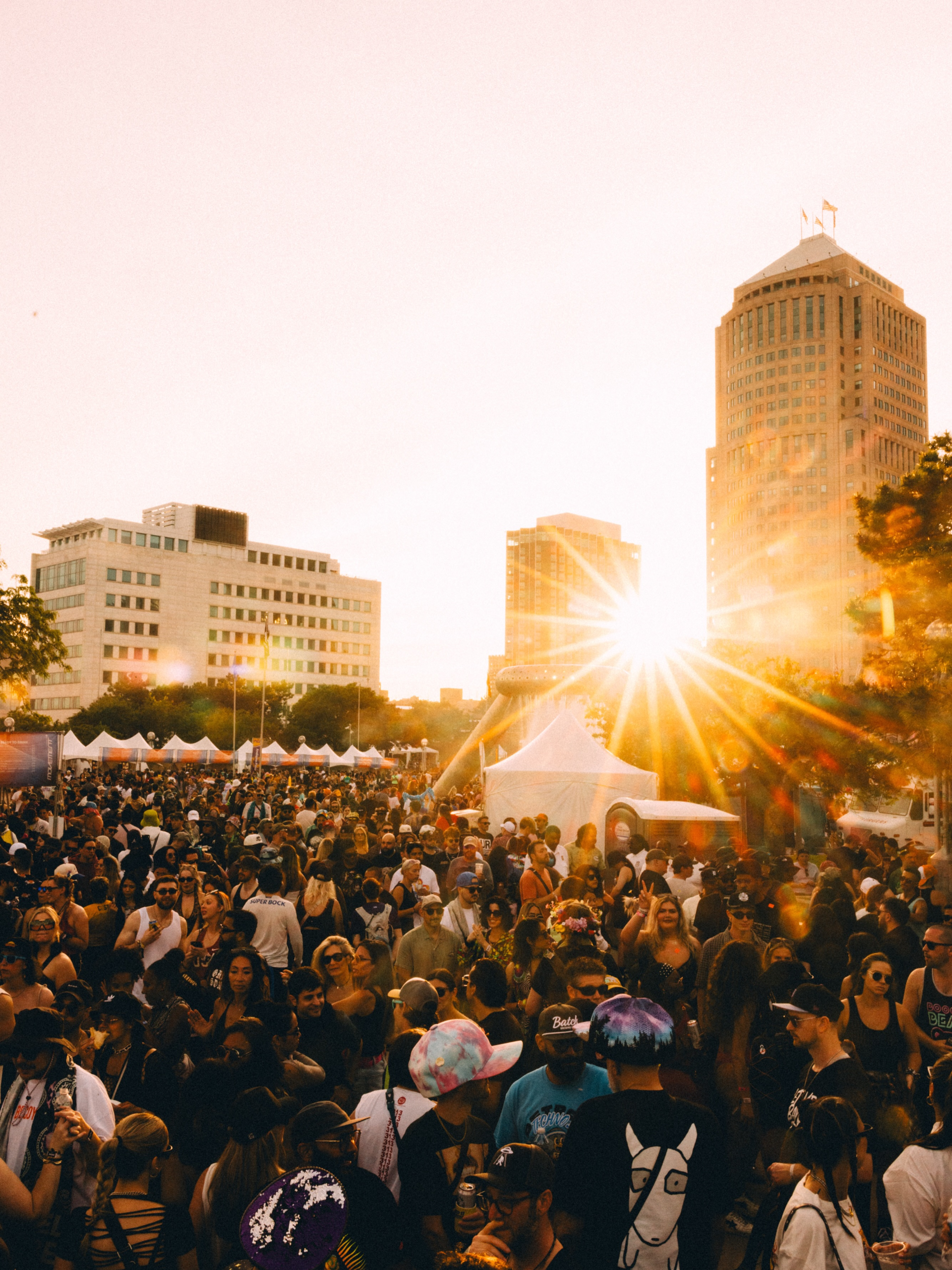
Movement has never been about the trippy art installations, neon photo-ops, or interactive performance theater that define the non-musical programming at many festivals on the circuit. Fans come to listen and dance.
Though there’s little to pull festivalgoers away from the stages, we enjoyed our brief strolls around the venue. In addition to food and beverage vendors, brands like Red Bull, Tito’s, and Long Drink were on-site with spaces to chill, free swag, and face painting. Recreational cannabis is legal in Michigan, and Movement partner JARS, a national dispensary chain, hosted a dedicated bud booth and passed out free pre-rolls.
Long lines discouraged us from waiting for official Movement festival merch, but there were lots of awesome options from local collectives and labels like Planet-e and Detroit Techno Militia.
The true sidequest at Movement is immersing yourself in the stories and foundational works of the city’s techno scene. After testing our knowledge to win prizes with Frequency 313, a local group dedicated to preserving techno history, and wandering through “Respect the Architects,” an exhibit about its most important pioneering figures curated by Detroit’s Underground Music Academy and Resident Advisor, we left the festival with an even stronger appreciation for the city’s esteemed place in the dance music world—and for some of us, even prouder of our Midwest heritage.
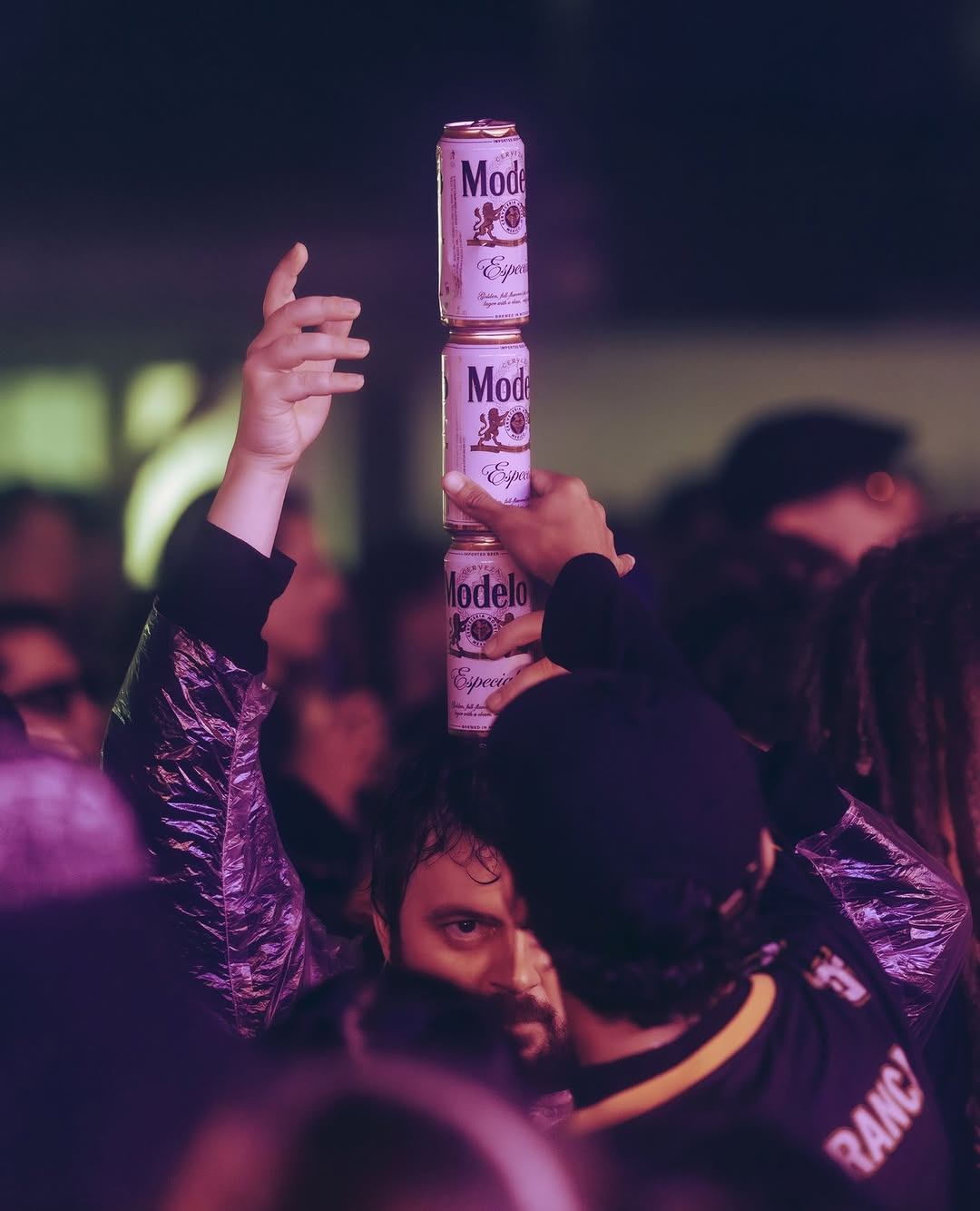
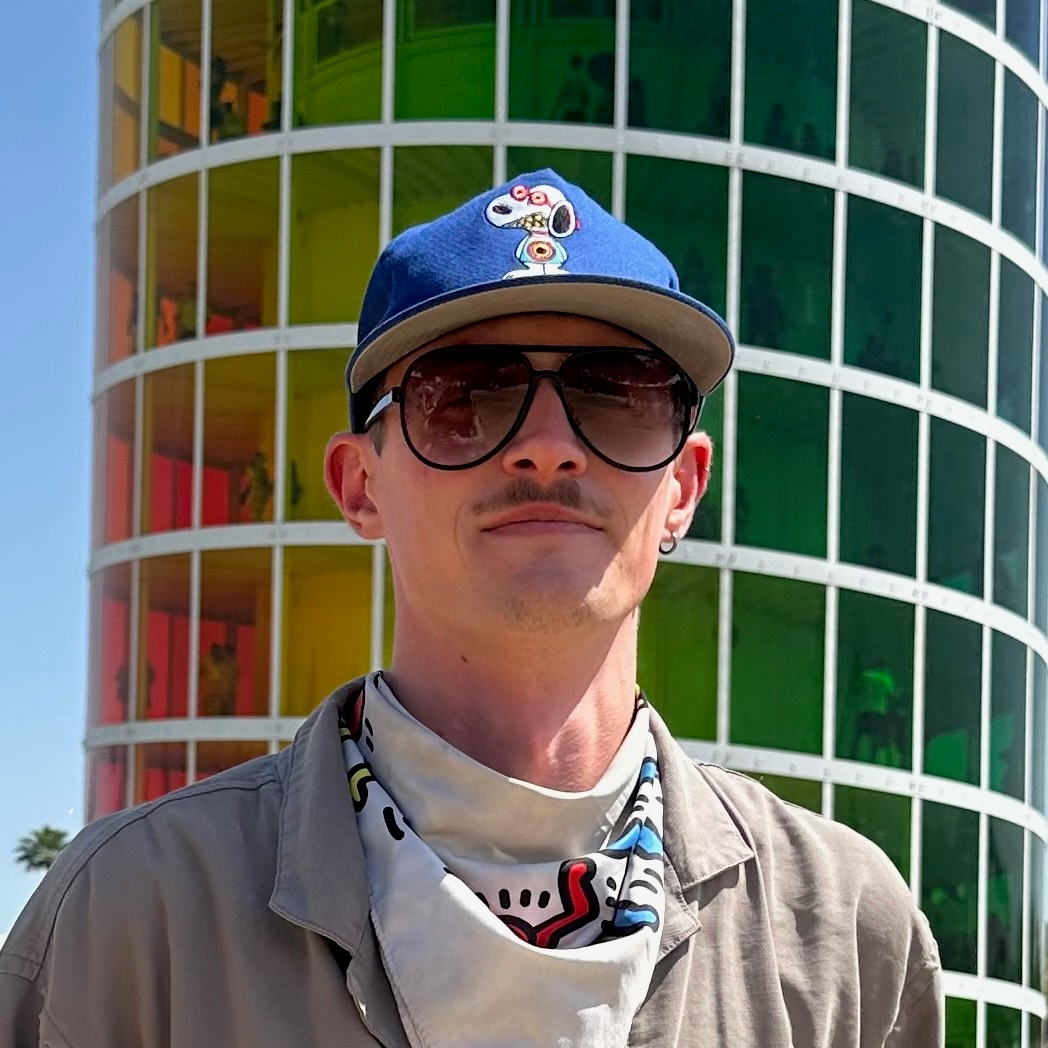
Steve Thrasher (@stvthrasher).
Food & Beverage: B+
Movement doesn’t feature the sheer volume of food and beverage options we’ve found at other festivals, but our wallets were kept happy with good eats at relatively lower prices compared to other events.
We didn’t see a single menu item that exceeded $25, and even with expected festival price hikes, our bar tabs were reasonable. Single mixed drinks were sold for $17, with doubles available for $30. Tall boy beers and seltzer were sold for $14, while festival partner Beatbox Beverages offered high-ABV prepackaged cocktails for $15. Bottled water was sold for $4.
With 12 full-bar locations, we never encountered a wait longer than 5 minutes for drinks, and at longest, we spent about 10 minutes in line for the most popular food items.
Grub came from 18 local and national vendors, food trucks, and restaurants, ranging from festival staple Island Noodles to Mercurio’s chicken-on-a-stick, Adiamo Pizza Pie, and risotto balls from The Little Sicilian. Vegetarian, vegan, and gluten-free options were available at select booths.
Shoutout to Byblos Cafe & Grill—this local shawarma spot kept us fed at a bargain all weekend long. Their $20 pita wraps were filling and easy to eat while dancing, and it doesn’t get much better than chowing down on the amphitheater steps during a Green Velvet set.
Overall: B+
Through a rapidly changing live events market, the pandemic, and plenty more hurdles over the last two decades, Movement hasn’t just survived—it’s thrived. As an annual hub for internationally renowned creatives in techno and beyond, the festival is an engine propelling Detroit’s arts community year-round.
Each May, the industry checks in on Detroit to find the city’s music scene alive and well. LA and NYC may turn the heads of the dance music world, but Detroit doesn’t care. An intentional diversion from the flash of other event juggernauts weeds out the casuals and surely helps keep costs down.
The result is an authentic, history-steeped experience you can only get in Techno City. Twenty years in, Movement remains by and for Detroit. Here’s to 20 more.
Find EDM Maniac‘s complete Festival Report Card archive here.
Featured image courtesy: Movement Music Festival. Credit: Sam Siegel (@dslrdj).