

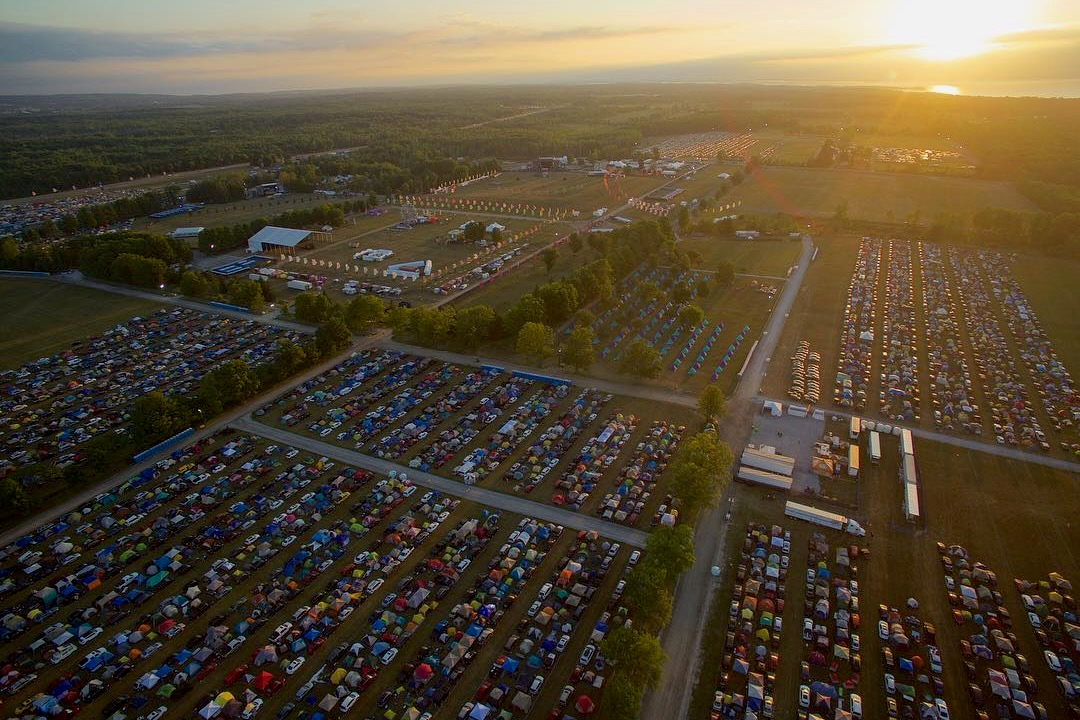
As we look back on another summer season, we can’t help but notice that Canada’s festival scene feels different.
Ten years ago, the scene was thriving, with multi-genre camping festivals spread across the country. Squamish, WayHome, and Pemberton—then Canada’s largest—pulled huge crowds with massive lineups. But today’s event market has niched down and moved to major cities, leaving a void on the circuit that hasn’t been filled.
So what happened?
A decade on from Pemby’s final edition in 2016, we’re revisiting Canada’s fallen camping festivals, why they went kaput, and where things stand now.
Pemberton
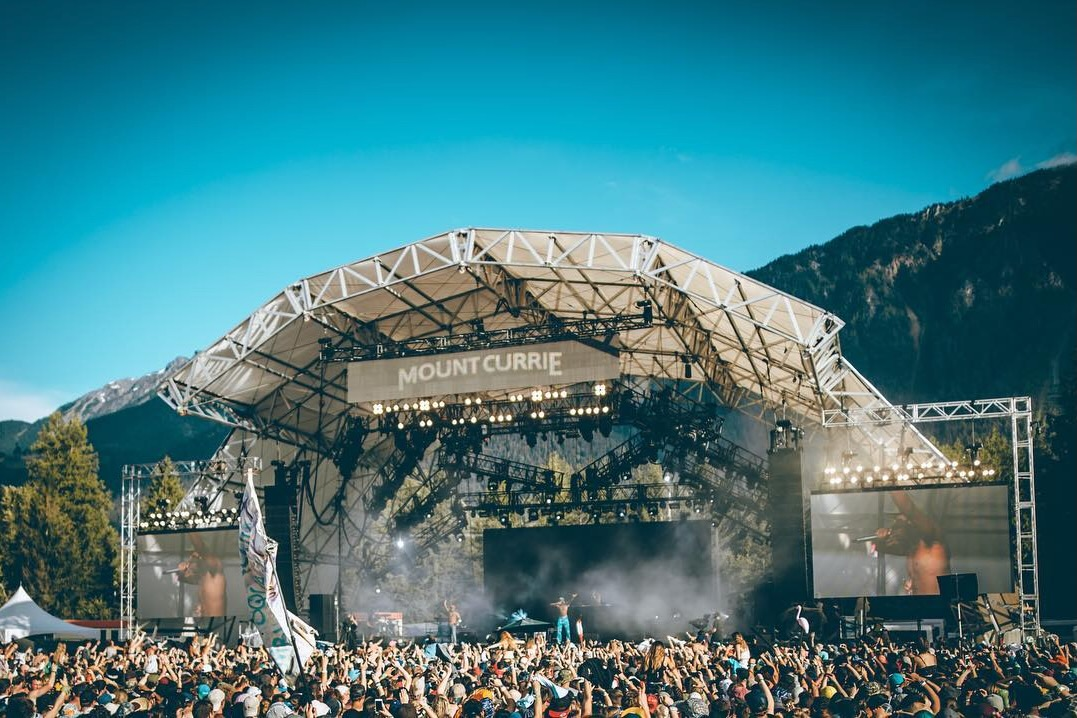
Drawing 180,000 attendees in its final year, Pemberton Music Festival was Canada’s largest multi-genre camping festival when it held its last edition in 2016. Originally launched in 2008 by Live Nation, the three-day rock and indie event in British Columbia expanded to include a wider variety of genres when it was revived under new management from 2014 to 2016. But across both spurts, Pemby faced logistical, financial, and safety issues.
A shuttle bus tipped over at its first edition. In 2014, a festivalgoer was found dead in his tent. A year later, the festival went viral for the mountains of trash left behind at its campgrounds. And in 2017, the festival filed for bankruptcy and was canceled. It was later reported that organizers lost $47 million from 2014 to 2016.
Squamish
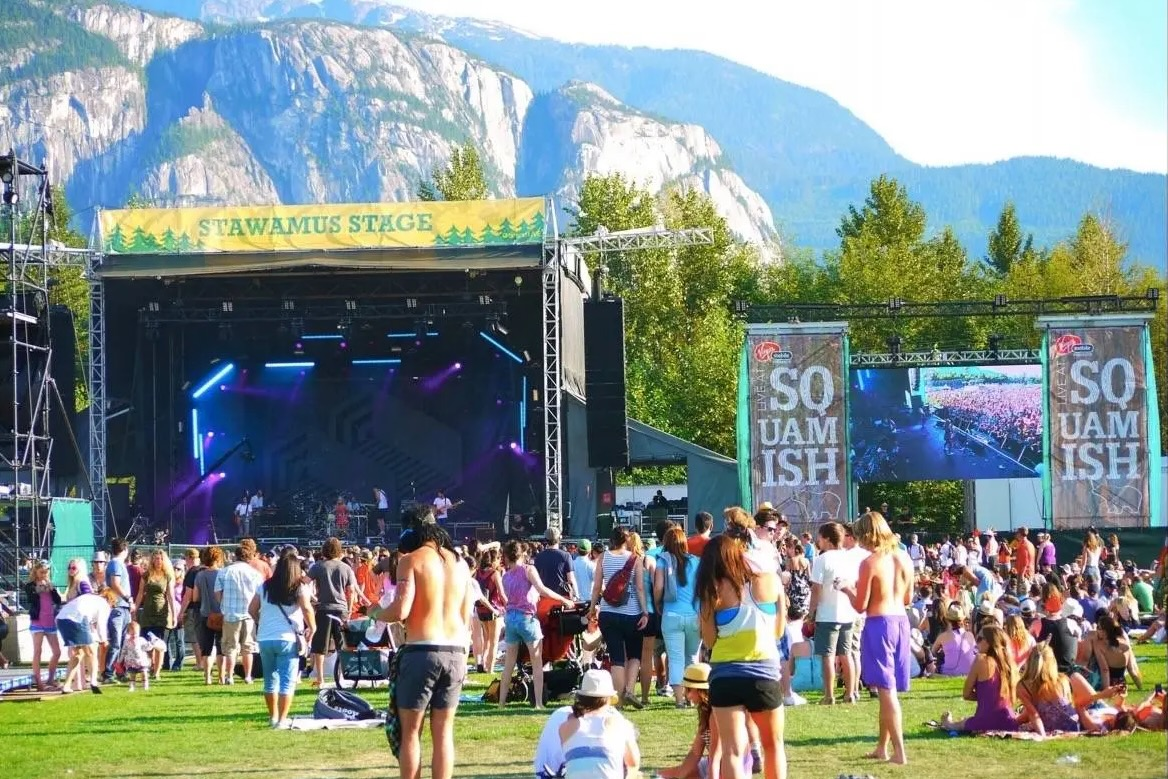
Squamish Valley Music Festival met a similar fate. Founded in British Columbia in 2010, the festival ran for six editions and, in its final year, drew 118,000 attendees with headline performances from Mumford & Sons, Drake, and Sam Smith, selling out two of its three nights. Though Live Nation billed Squamish as “one of the best in North America” and announced immediate plans for 2016, fans were shocked to learn of its cancellation the following year.
Organizers said the cancellation was a “business decision.” Speculation suggested the choice stemmed from the declining value of the Canadian dollar and rising performer rates.
WayHome
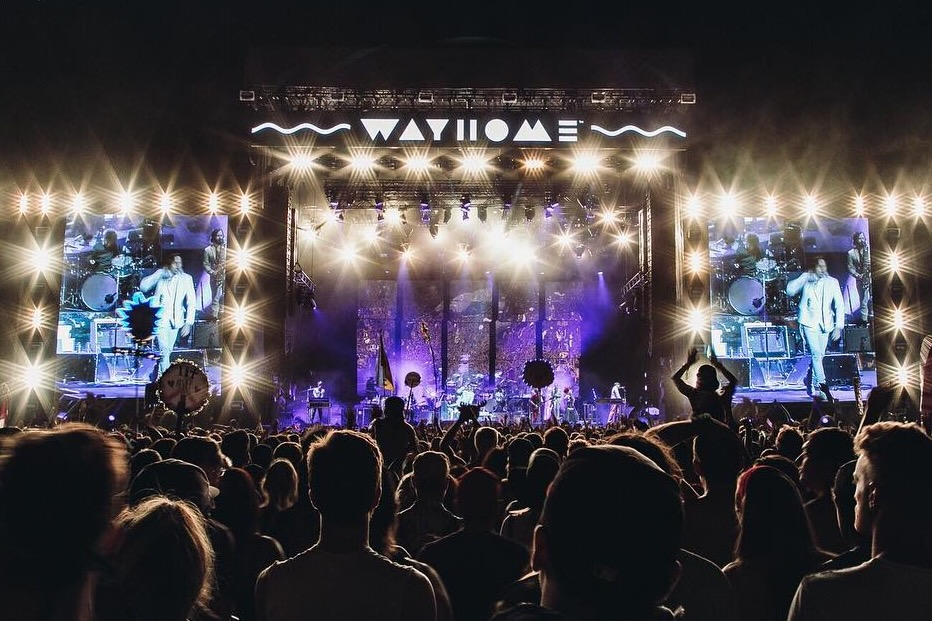
WayHome was one of Canada’s last multi-genre campouts, with its final edition held in 2017. Affiliated with Bonnaroo producers AC Entertainment for its first two years in 2015 and 2016, the three-day event in Ontario had a promising start, but in year three, organizers faced backlash after banning personal naloxone kits and then quickly reversing the ruling.
After a downsized 2017 edition, organizers announced that WayHome was taking a pause in the coming years. Surprisingly, its website is still running with the same message: “This isn’t goodbye, just see you later.”
The balancing act
It’s no secret that running a profitable festival is difficult, and the shrinking value of the Canadian dollar, as well as the country’s spread-out population, makes reviving one risky. Demand was never the issue, though. Squamish and Pemberton drew their largest crowds in their final editions and still couldn’t survive.
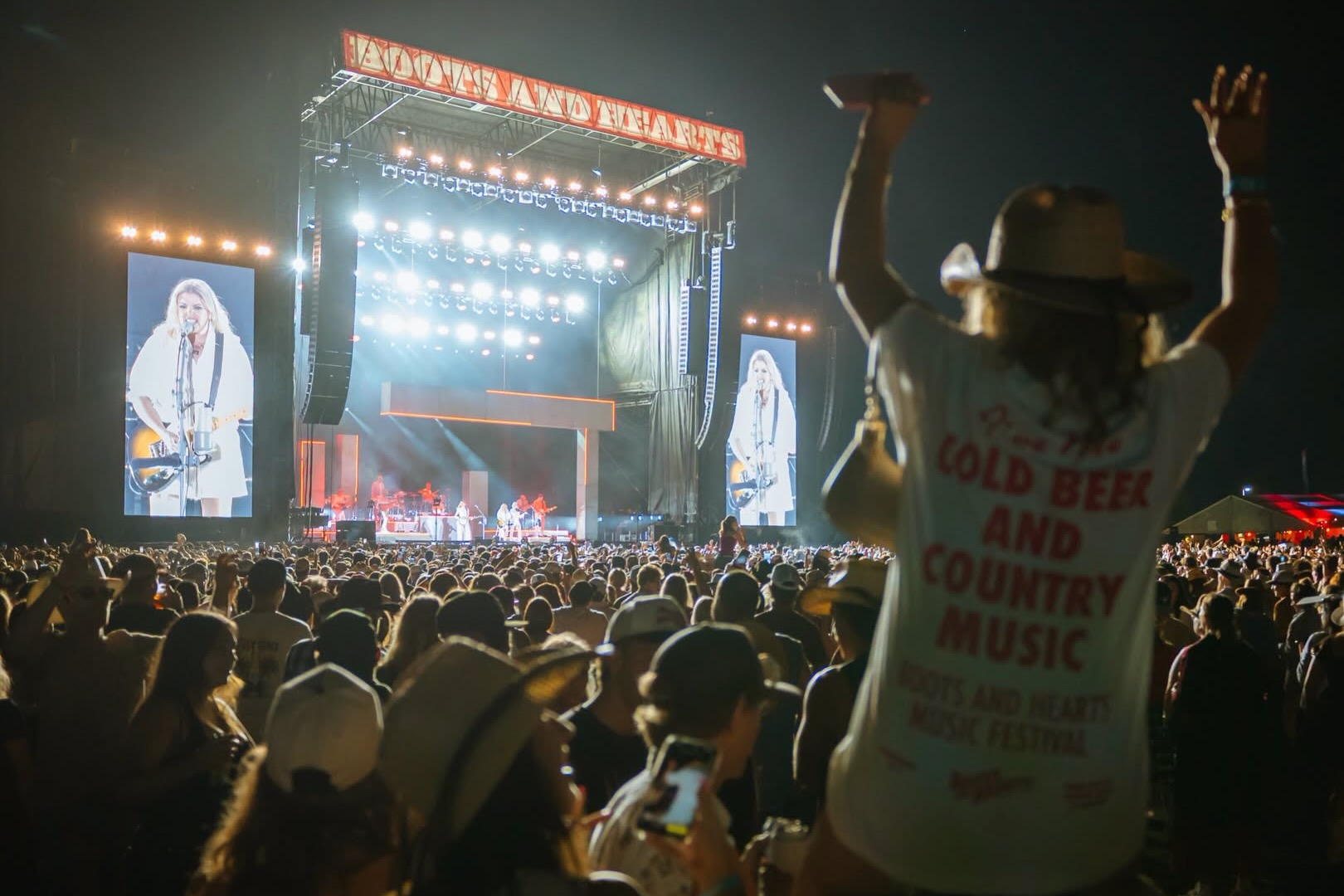
Staying profitable is where Canada’s multi-genre festivals have struggled most. More niche, genre-specific camping festivals like Shambhala and Boots & Hearts have made loyal fans that return and buy tickets before lineups are even announced. But headliner-driven events like Pemberton, Squamish, and WayHome relied on spending big to book music’s biggest stars.
What the scene looks like today
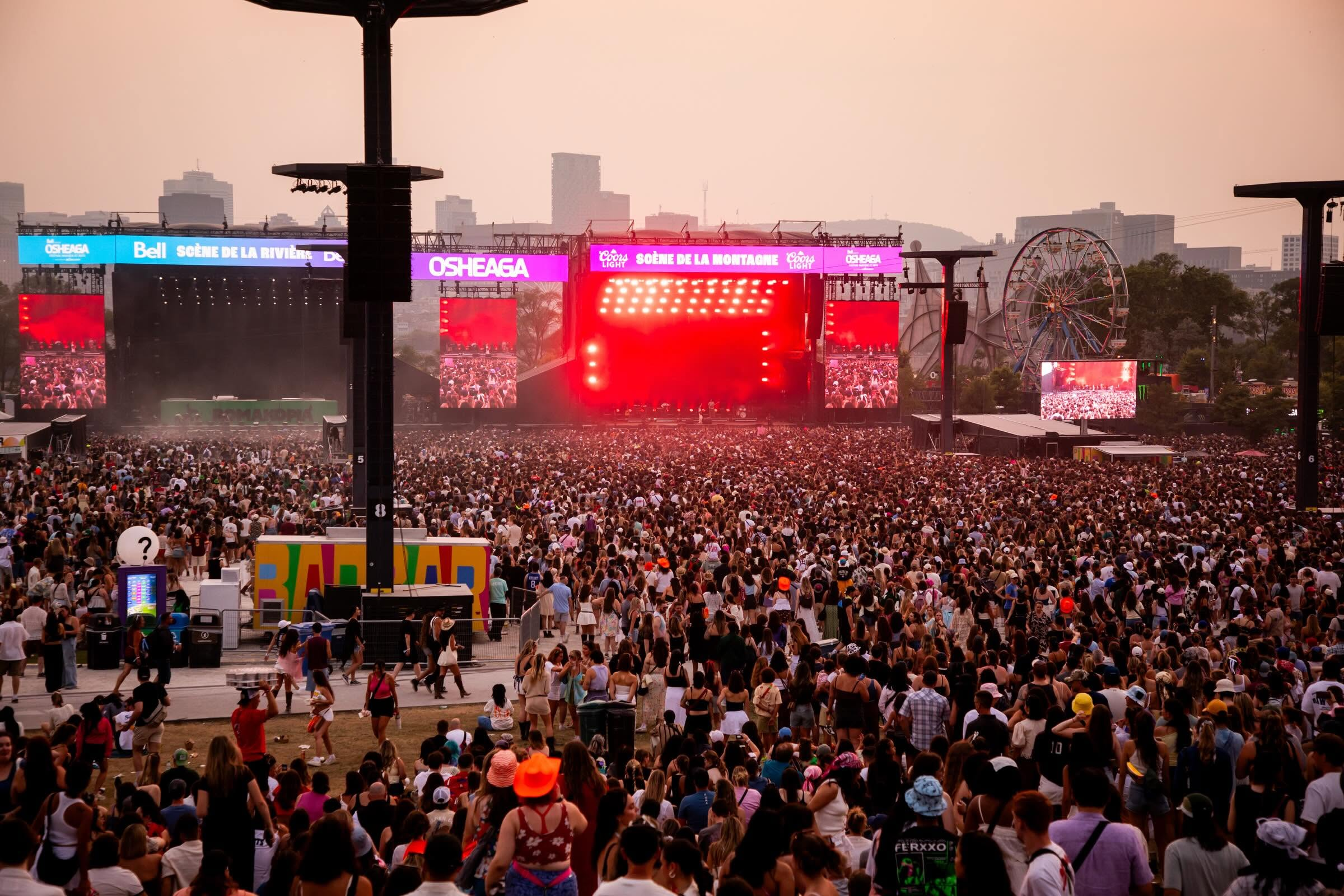
The gap in the market left by the demise of Canada’s multi-genre camping festivals remains. With tents swapped for hotel rooms, the country’s most notable multi-genre events are concentrated in urban centers.
Running since 2006, Montreal’s Osheaga has become Canada’s largest multi-genre festival, hosting over 150,000 attendees over three days. Elsewhere, Cowboys Music Festival, an 11-day event coinciding with the Calgary Stampede rodeo, is known for booking multi-genre lineups but lacks a traditional festival atmosphere. City festivals aren’t safe from financial struggles either. Even Rifflandia, a Victoria staple since 2008, announced its cancellation in June.
Will WayHome ever end its hiatus? Will a new camping festival emerge? A decade on from the scene’s heyday, Canadians are still asking the same questions.
Featured image courtesy: WayHome Festival.
