
If it ain’t broke, don’t fix it. CRSSD Festival has been dominating San Diego’s house and techno scene for over a decade, and at this point, they’ve got the recipe down pat.
Carefully curated lineups of massive names and emerging stars, straightforward stage layouts at a well-loved venue, and its lively mix of local fans and out-of-towners have earned the biannual event (spring and fall) a loyal following and respected position on the electronic festival circuit.
Helmed, as always, by local promoter FNGRS CRSSD, the two-day festival’s 11th fall edition, back at Waterfront Park on September 26-27, was no different, as a sold-out crowd of 15,000 daily festivalgoers braved high temps and dense dance floors for major performances by Chris Lake B2B Disclosure, Mochakk, special guest Chris Lorenzo, Prospa, KETTAMA, 999999999, Boys Noize, Marlon Hoffstadt, VTSS, I Hate Models, and many more.
Read EDM Maniac’s complete report on CRSSD Fall 2026 below.
Quick Takes
Best Moment: Dancing in the rain at Chris Lake B2B Disclosure.
Needs Work: Bottlenecking and dense crowds at popular sets.
Hidden Gems: CRSSD Lab. $5 happy hour drink and food specials from 12-2PM.
Audience Match
Who this festival is for: House and techno experts. Dancefloor fiends. California sunset lovers.
Maybe skip if: You need dubstep in your life. You prefer the sillier side of sidequesting.
Vibes: B+
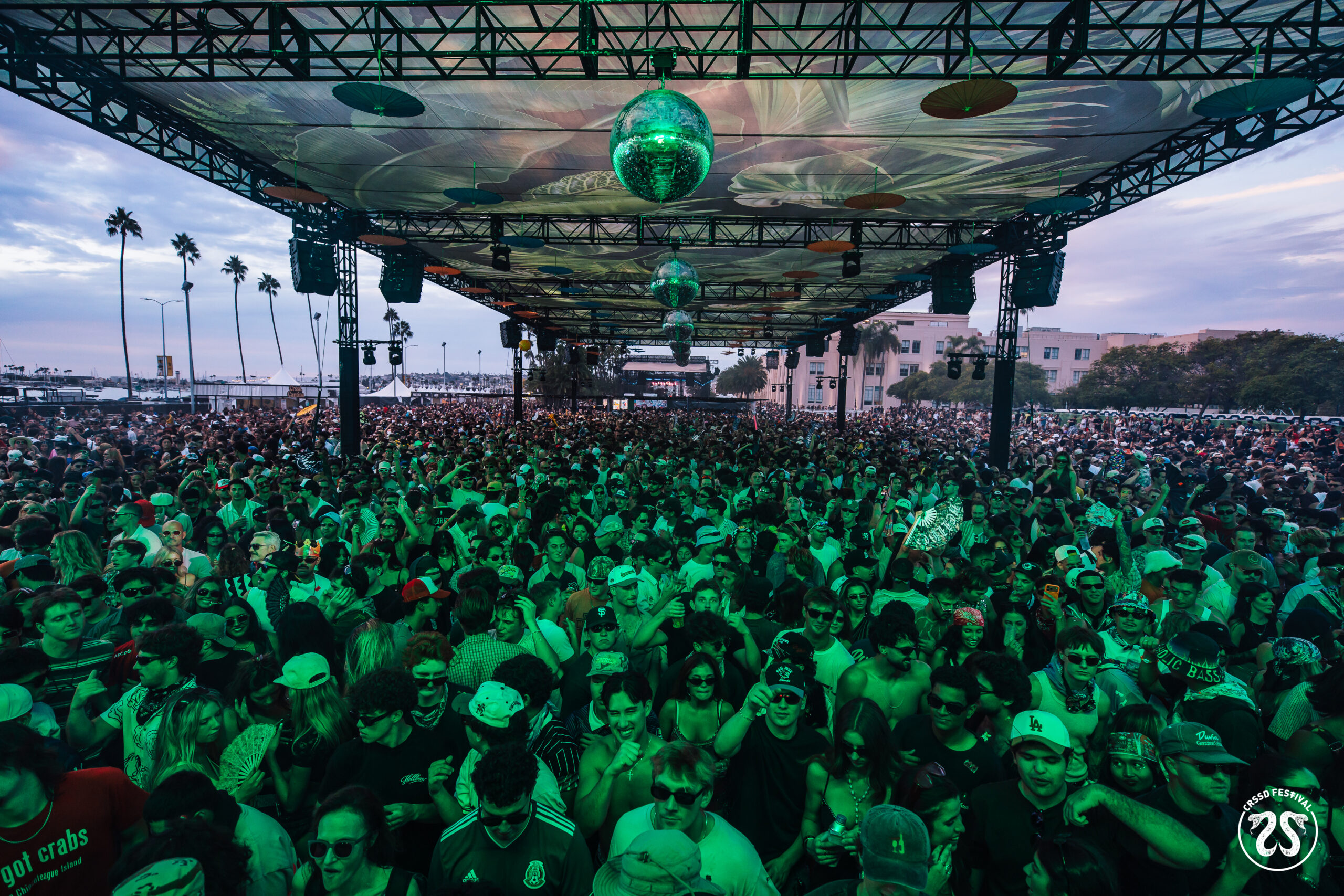
CRSSD has a knack for balancing big-name house and techno acts with niche DJs emerging from the global underground, creating a lineup that feels both familiar and exploratory. The result is a crowd that brings together longtime scene regulars with fans just starting to find their way into the world of house and techno. And whether its your first time at CRSSD or you’re a veteran who’s been coming since the beginning, its loyal community of returning fans makes the festival feel less like a once-a-season event and more like a tradition.
Though the weather was hot and humid even by California standards, it did little to slow the weekend down. From the afternoon sun to the glow of the moon, guests flooded the dance floors, and kept the party moving until the very end.
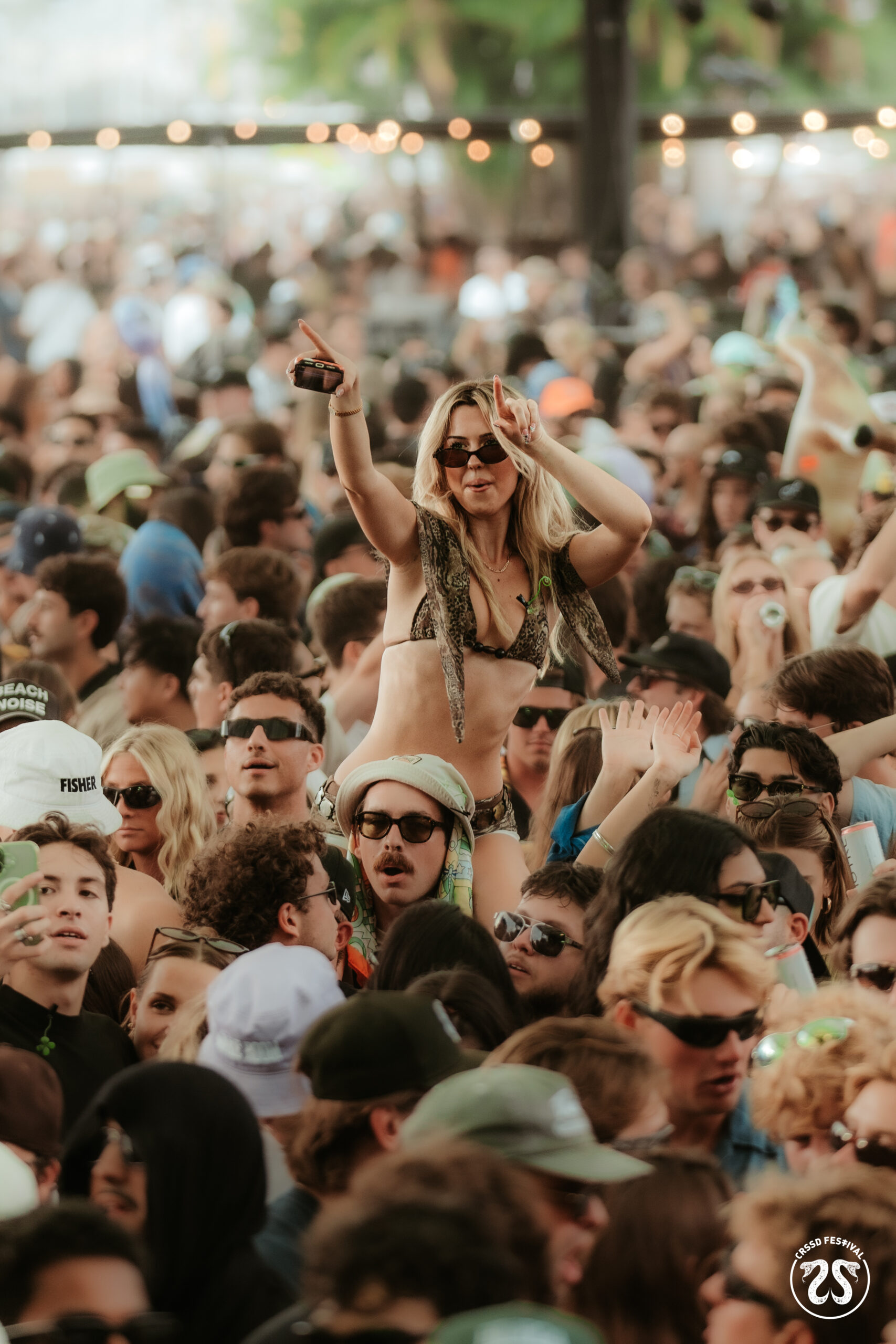
In our experience, the overall vibe was positive, but the crowd felt somewhat segmented, as most groups stuck to their own circles rather than branching out to make new friends. But that doesn’t mean dancefloor etiquette went out the window. There was an easygoing politeness among festivalgoers and a palpable party spirit flowing through the air.
On the main stage, Sunday’s pop and indie-tinged programming brought out a lighter, more carefree side of the CRSSD crowd, while dancefloor devotees bounced to more massive names at the Palms stage. Smiles were everywhere as festivalgoers swayed, danced, and sang along to acts like Big Wild and Chris Lake B2B Disclosure, while rabid fans tasted peak-time euphoria with the likes of Prospa and KETTAMA.
Echoed heavily in online forums like Reddit and Instagram, we couldn’t help but notice that this year’s crowd was particularly chatty on the dance floor. Many attendees expressed frustration with groups carrying on conversations during performances rather than engaging with the artists on stage. For some, the constant chatter became a noticeable distraction. Others didn’t seem to notice at all.
Production: B
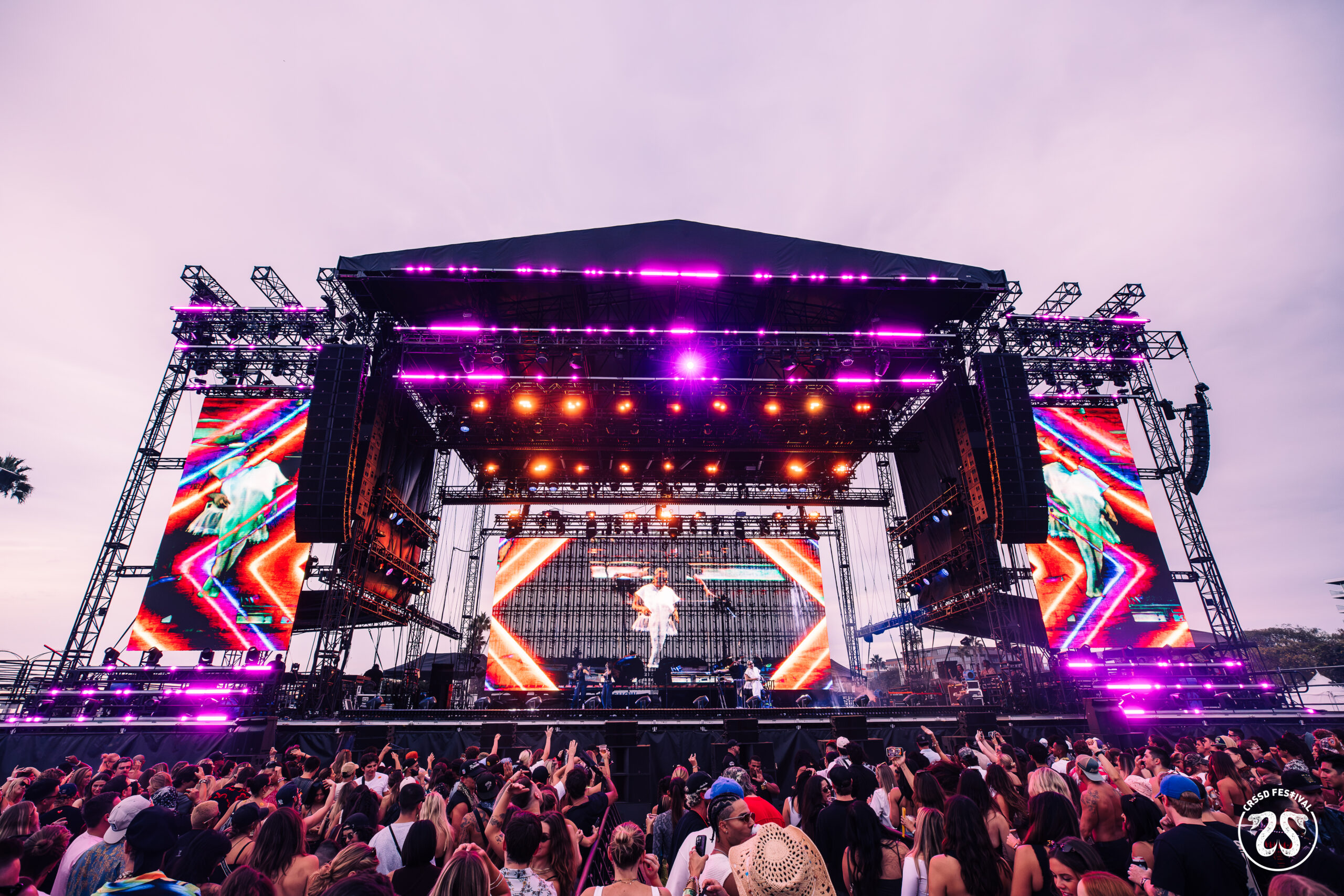
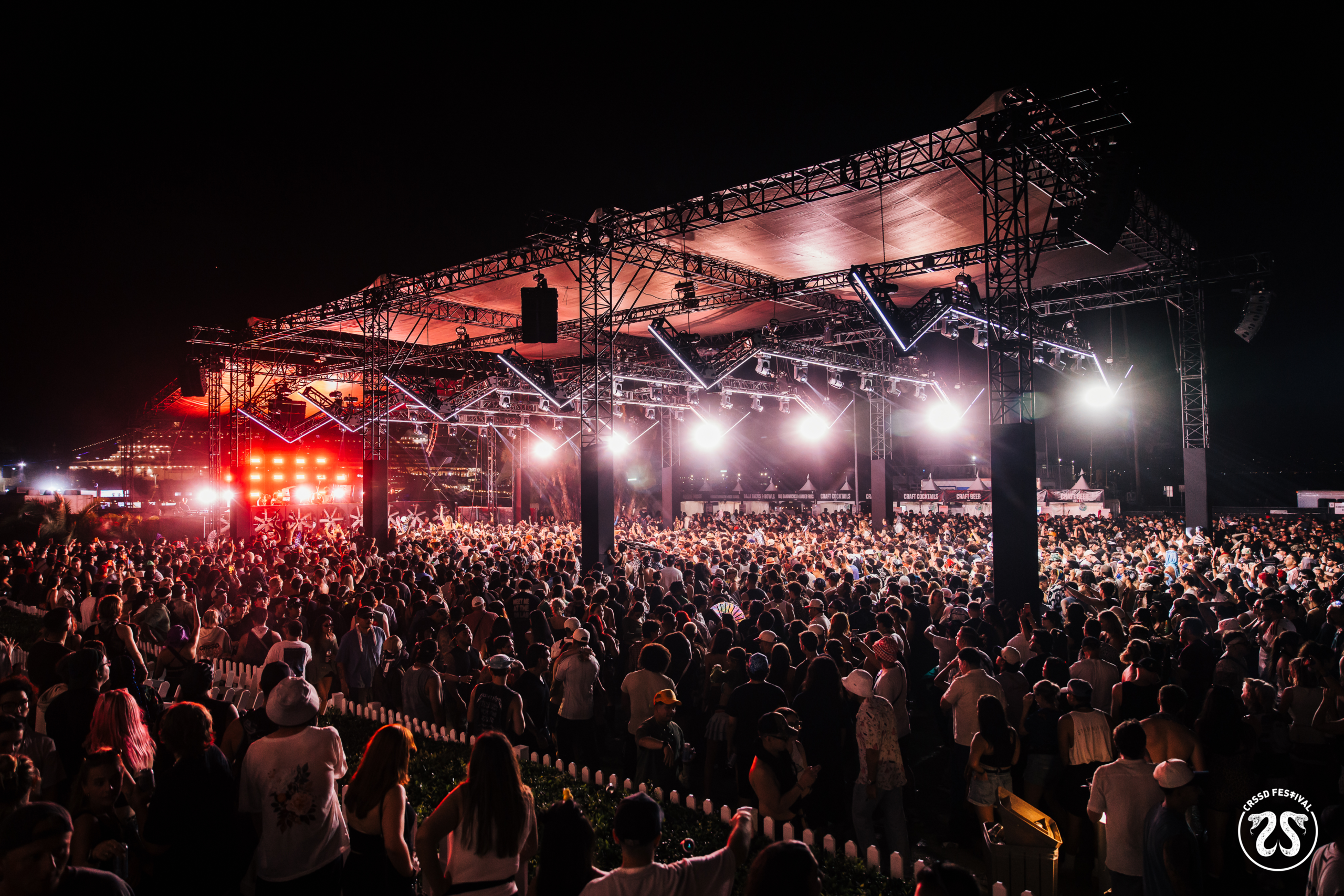
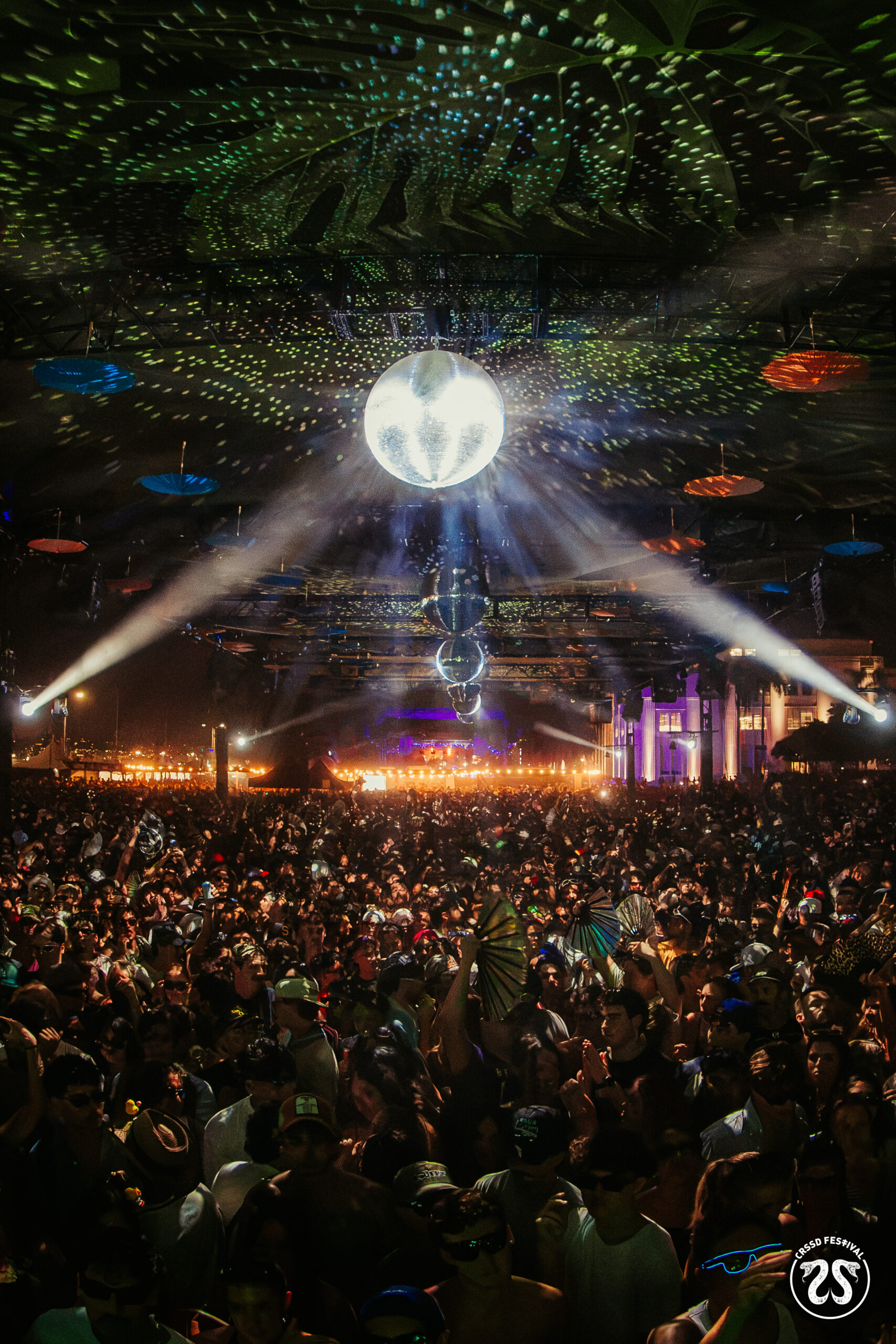
Production is pointedly simple at CRSSD. When the festival first debuted in 2015, it showcased three stages of music that remain the backbone of the festival today. Pared-back stage designs that put little emphasis on visual excess offer a more true-to-roots feeling over flashy flare. In an era where festivals increasingly compete through bigger builds and louder theatrics, CRSSD’s restraint is delightfully deliberate.
The Palms and City Steps stages deliver an intimate, club-like atmosphere, while Ocean View opens up into a larger crowd space that leans fully into festival fanfare. Each stage has its own distinct mix of lighting, haze, and visual design—cohesive enough to feel intentional, but unique enough to give each space its own identity.
Playing into its minimalist aesthetic, CRSSD forgoes the outsized production elements that have become synonymous with other larger modern electronic festivals: no fireworks, pyrotechnics, bubbles, or foam cannons. Instead, the focus remains squarely on the music and the atmosphere.
Persistent sound issues at the main stage have been the downfall of CRSSD’s previous editions, but this year, we were pleasantly surprised to find most audio issues were largely resolved. Though volume was still spotty, after years of complaints from attendees who struggled to feel the weight of the music, even from the front rows, we enjoyed taking in several sets from the back of the crowd and didn’t miss a beat.
Certain pockets were still noticeably louder and clearer than others, but the difference was far less distracting, and there were fewer truly bad spots to stand. It was a meaningful step forward that addressed one of the festival’s most noticeable technical shortcomings.
Music: A
Don’t let the local flair fool you—CRSSD is as worthy a house and techno destination as many of the global scene’s top events. Each year, the festival connects dance music lovers with artists that many can only dream of crossing off their bucket lists.
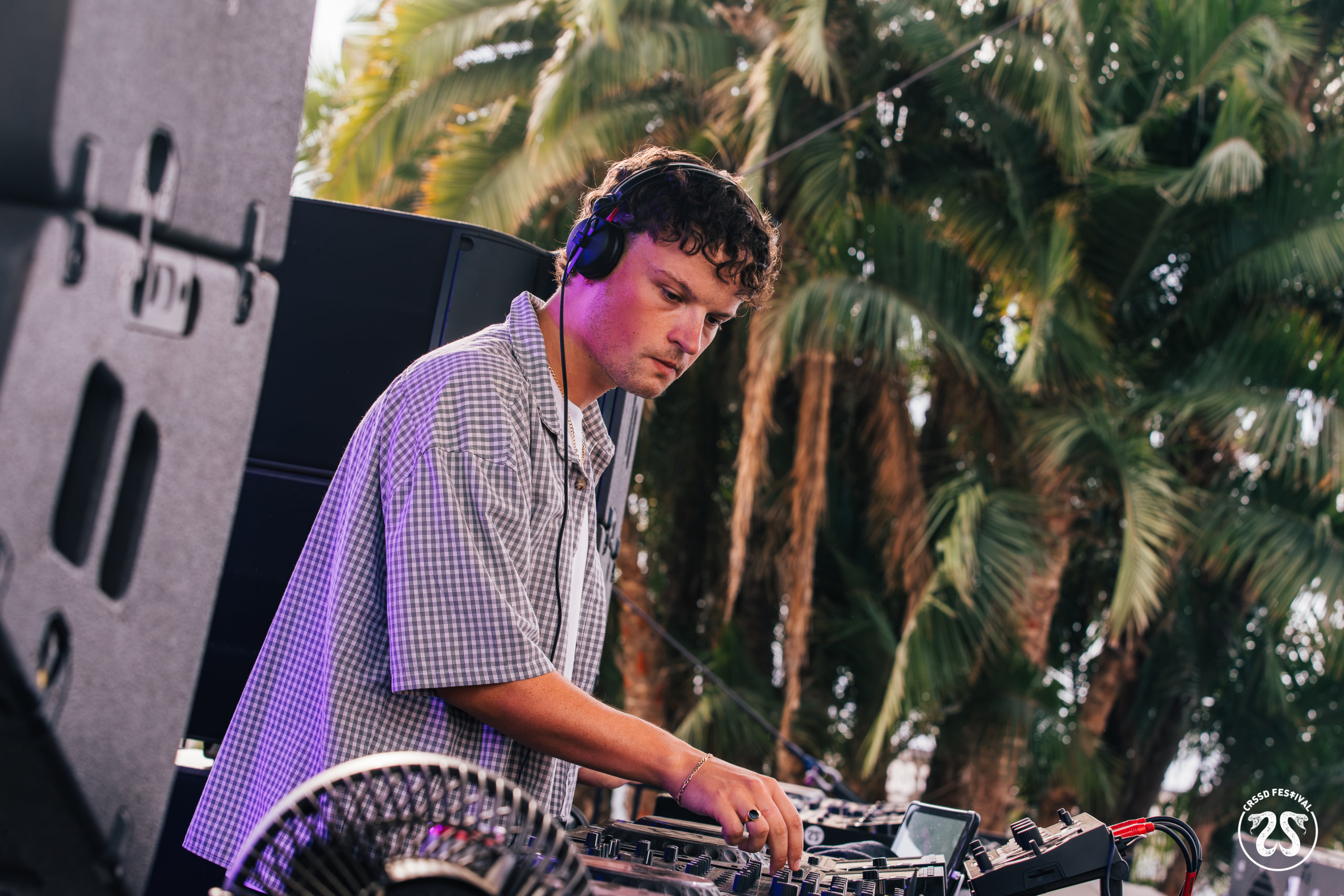
On Saturday afternoon, we got off to the races with salute’s euphoric beats and two generations of UK bass royalty in MPH (who threw down unreleased collabs with Sammy Virji and Anti Up) and renowned Hessle Audio co-founder Ben UFO. Later on, NOTION’s dancey garage beats paired perfectly with a colorful sunset that came as a surprise after a cloudy afternoon.
From there, horsegiirL welcomed us to her barn party and immediately turned the energy up a notch. Her playful, high-tempo techno had the crowd saddled up for nightfall as fans fully surrendered to the beat. Meanwhile, ChaseWest had the Palms stage in the palm of his hand, weaving through a deep tracklist of gritty, sample-heavy originals and IDs. Over at City Steps, Marlon Hoffstadt, I Hate Models and VTSS burned the house down with high-speed beats and heavy bass sounds.
By the time Mochakk closed out the night on the main stage, the atmosphere had reached its peak. Industrial looks reminiscent of his Coachella stage production provided a fitting visual backdrop for his anything-goes set, mixing everything from “Born Slippy” to “Fine Day Anthem” and his own classic, “Da Fonk.”
Sunday’s bill made committing to a single stage feel impossible. A late addition to the lineup, special guest and CRSSD favorite Chris Lorenzo drew a massive crowd to the Palms at 3:30PM, setting an early tone that carried throughout the afternoon.
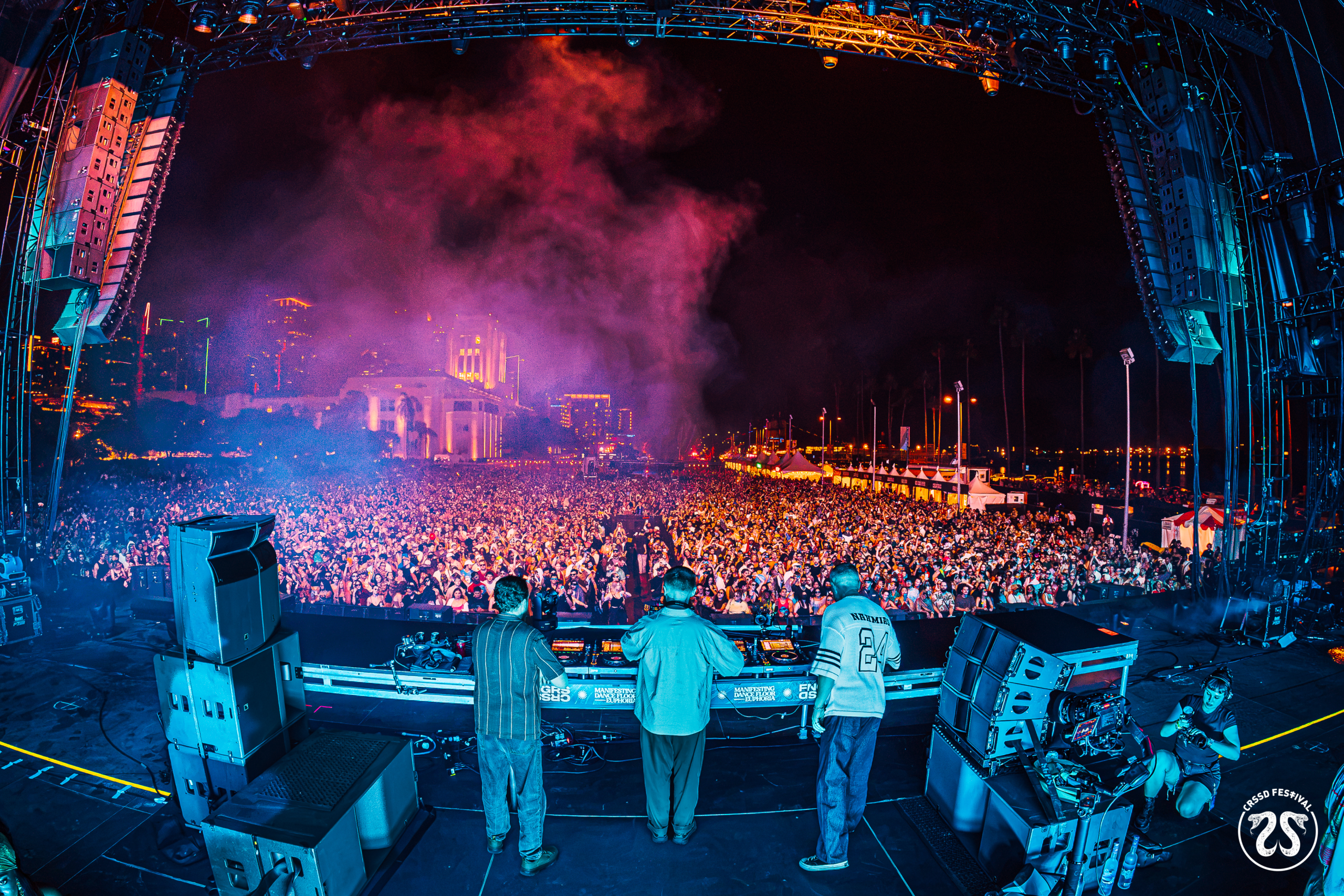
More high-flying Palms performances came from GENESI, Marco Strous, and UK legends Groove Armada, while Ocean View offered feel-good sets bursting with DRAMA’s soulful live vocals of DRAMA and the live instrumentation of Big Wild. As night fell, Prospa and KETTAMA kicked things into the next gear and drew some of the biggest crowds of the weekend to the Palms stage, while Boys Noize and 999999999 came through big for San Diego techno lovers.
To cap it all off, Chris Lake B2B Disclosure fused their iconic tunes in a seamless mix marked by the live debut of their new collab, made just hours before they took the stage. Singing along to Big Wild’s “6’s to 9’s” surrounded by our best friends was easily one of the weekend’s defining moments, but nothing quite topped dancing through the rain to Disclosure’s “Latch.” With the crowd soaked, smiling, and completely locked into the music, it felt like the perfect punctuation mark on an unforgettable weekend of electronic music.
Once the festival grounds quieted, CRSSD’s after-hours scene was only just getting started. Late-night afterparties spilled into clubs across San Diego, with heavyweights including Ben UFO, Layton Giordani, Marco Strous, Rossi., Boys Noize, Groove Armada, and plenty more keeping the city’s ravers on the dance floor well past 4AM. The afterparty circuit has long been an integral part of CRSSD culture and an unofficial second chapter to the festival weekend.
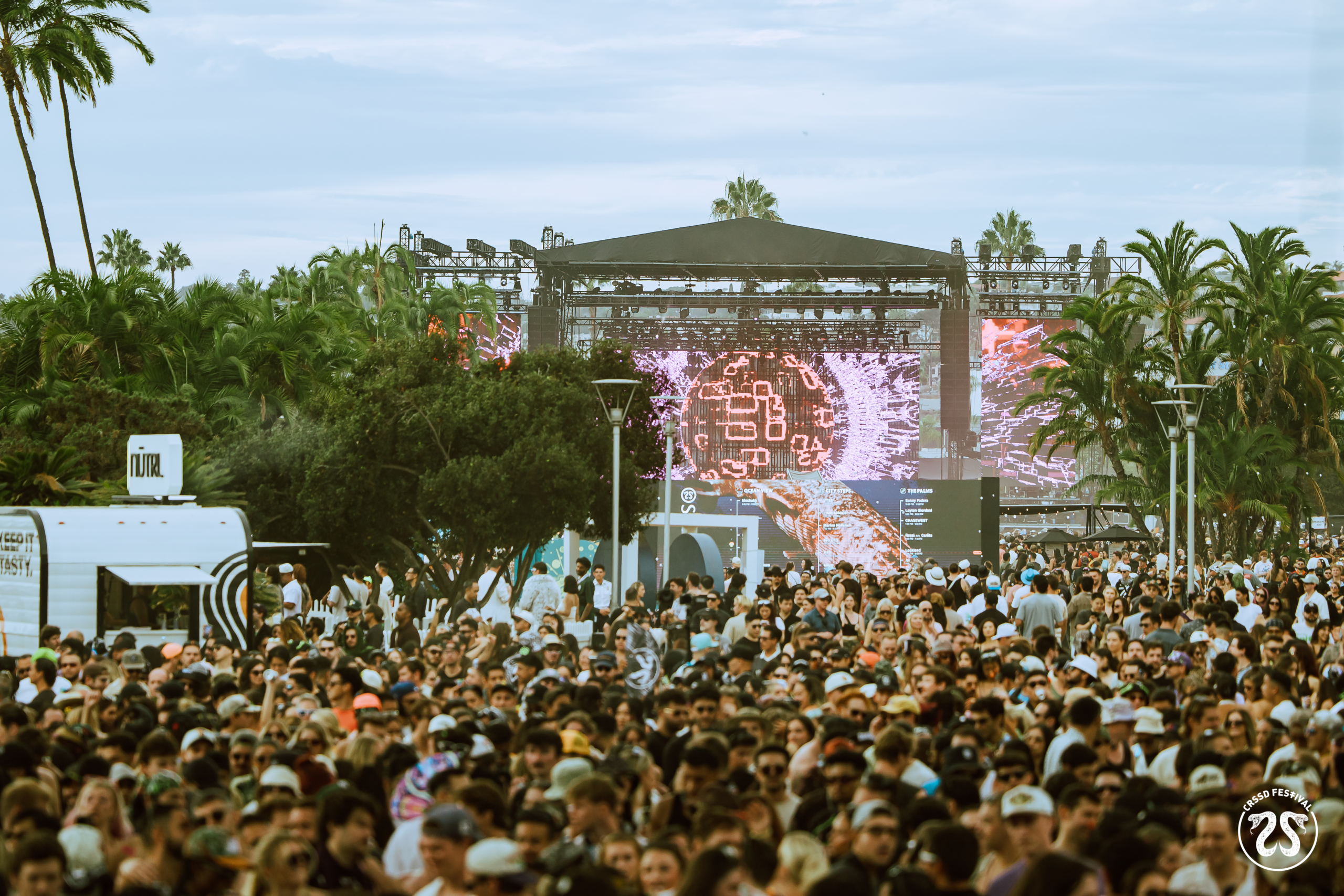
Venue: B
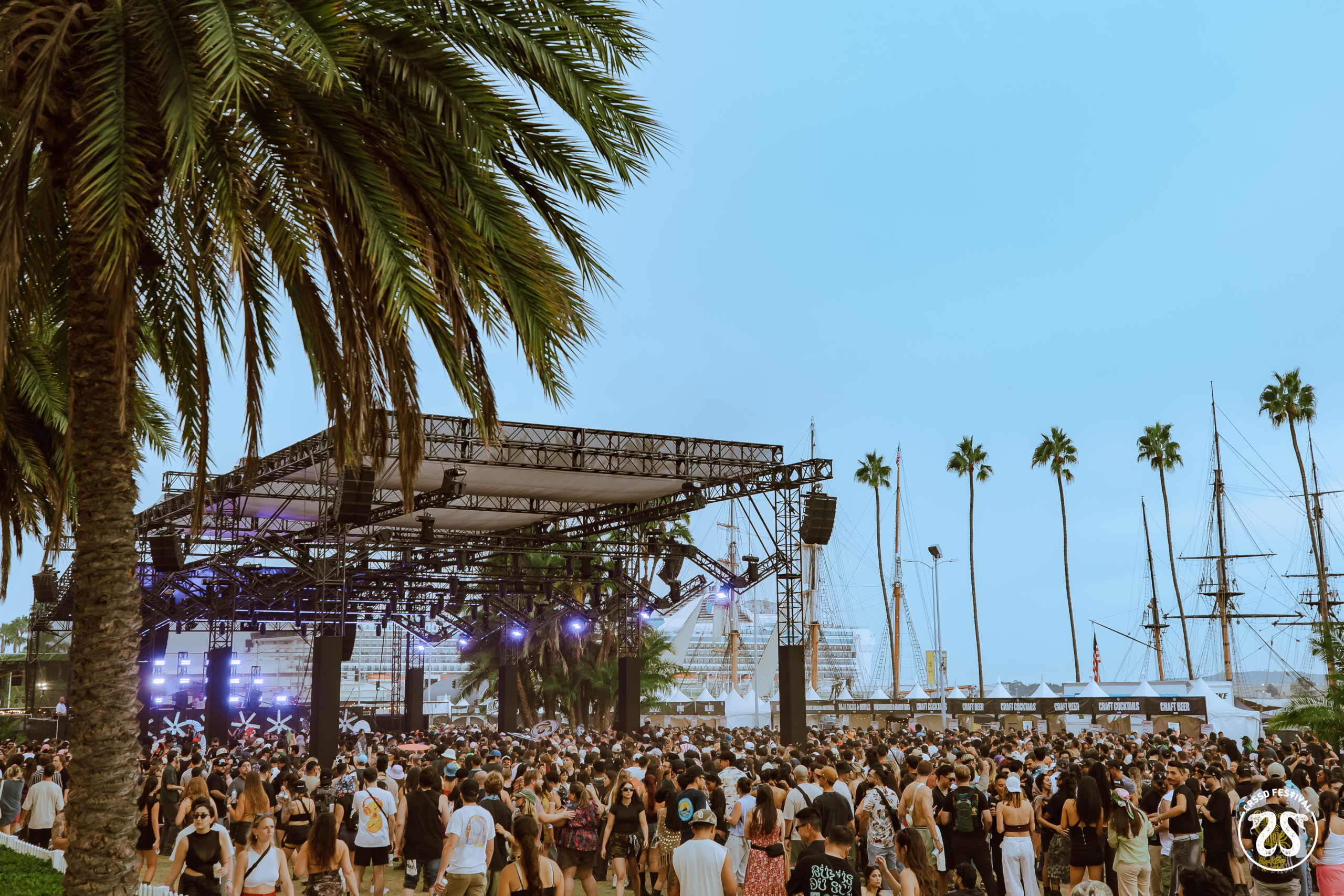
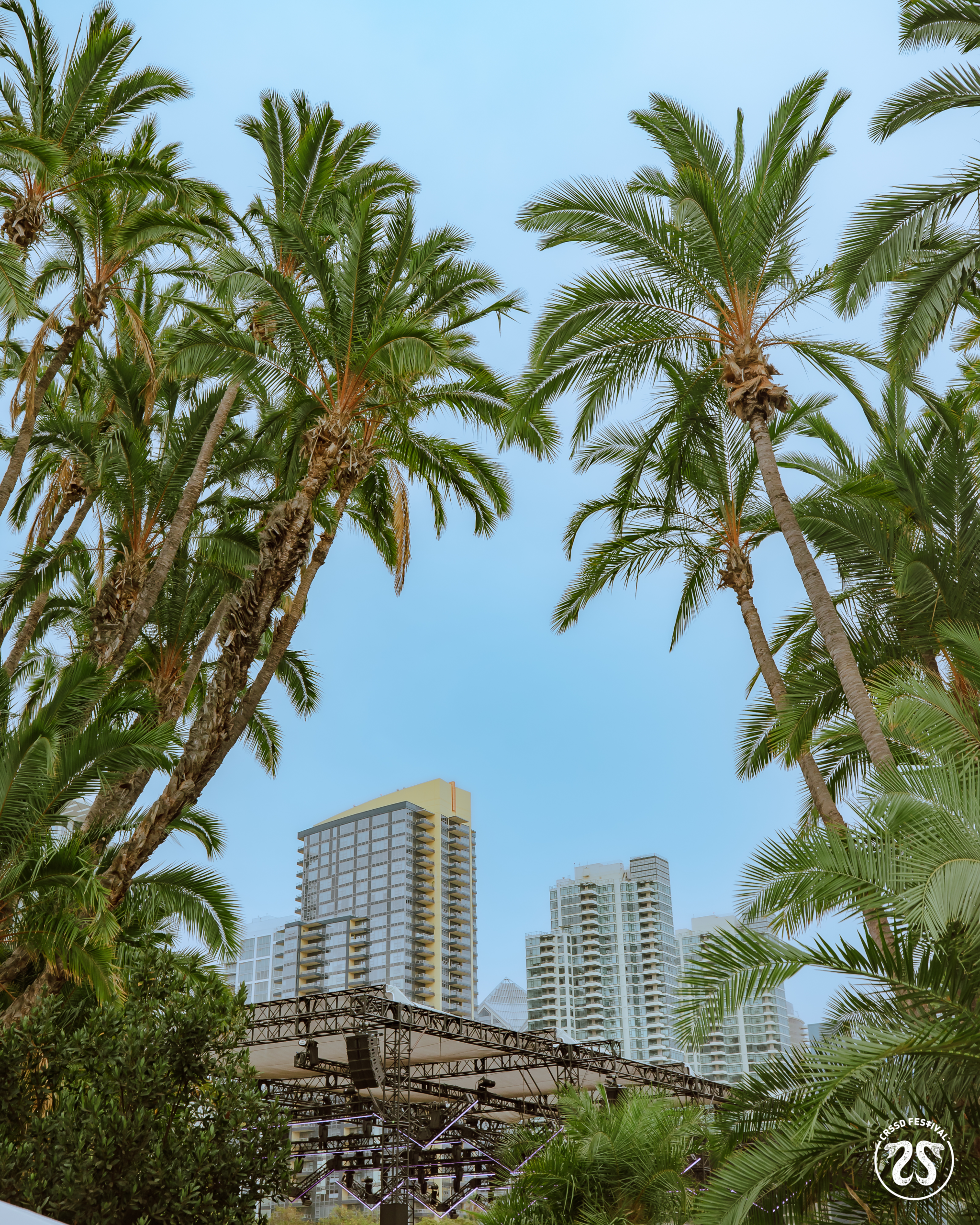
Set at Waterfront Park, where bustling downtown San Diego meets the shimmering waters of the San Diego bay, CRSSD feels like a quintessential California festival.
Few moments captured that feeling better than dancing to DRAMA as the sun dipped below the horizon, painting the clouds in vibrant pink and orange hues while palm trees swayed in the foreground. Along the shoreline, boats bobbed gently with the music, their decorative lights flickering against the water and adding an effortless glow to the scene. It’s the kind of setting that makes CRSSD feel less like a festival dropped into a city park and more like a picturesque vacation.
Despite sitting at the far edge of downtown, Waterfront Park is surprisingly accessible. Rideshares had little trouble navigating directly to the festival gates, while public transportation offered plenty of options from across the city. Getting out was a different story, requiring a bit more time, patience, and willingness to put some distance between yourself and the venue.
Leaving just 15-20 minutes before the end of the final set made a noticeable difference, cutting both the wait and the cost of the ride home significantly. For those wanting to lean in even further to the festival experience; pedi cabs lined the venue waiting to take tired ravers to their next destination.
On Sunday afternoon, Chris Lorenzo’s special guest set at the Palms stage, located just steps from the entrance, created an immediate bottleneck as crowds piled up almost as soon as they entered the festival grounds. Navigating the area proved particularly cumbersome, as pedestrian pathways frequently squeezed close to bars and food vendors, turning what should have been open walkways into narrow corridors. At peak moments, moving through the festival often meant falling into a single-file procession.
By opting out of traditional VIP areas, CRSSD creates an egalitarian festival experience where every attendee shares access to the same spaces, stages, and amenities. Expedited entry was available as an add-on for those looking to bypass long entry lines, but once inside, there were no exclusive viewing areas or elevated tiers of access. Its a refreshingly uncomplicated layout that where the focus on the music and shared experience rather than status.
Overall, the venue was clean and provided plenty of areas to rest and relax. Bathrooms were kept tidy and well-stocked with toilet paper and hand sanitizer all weekend.
Sidequest-ability: B-
CRSSD champions a stripped-back, club-inspired ethos, putting the emphasis squarely on the artists, the dance floor, and the energy of the crowd rather than an endless lineup of extracurriculars. With music running from noon to 11PM on Saturday and from noon to 10PM on Sunday, there’s little reason to look elsewhere.
At the heart of the festival, the CRSSD Lab offered a more immersive way to engage with the music itself. Each year, the space is an oasis for curious attendees and one of the festival’s defining experiences, giving fans hands-on experience with music production technology, such as hardware synths, samplers, and digital audio software from Roland, Air Music, Moog, Korg, Akai Pro, and AIAIAI Audio, as well as access to expert-led workshops and product demos.
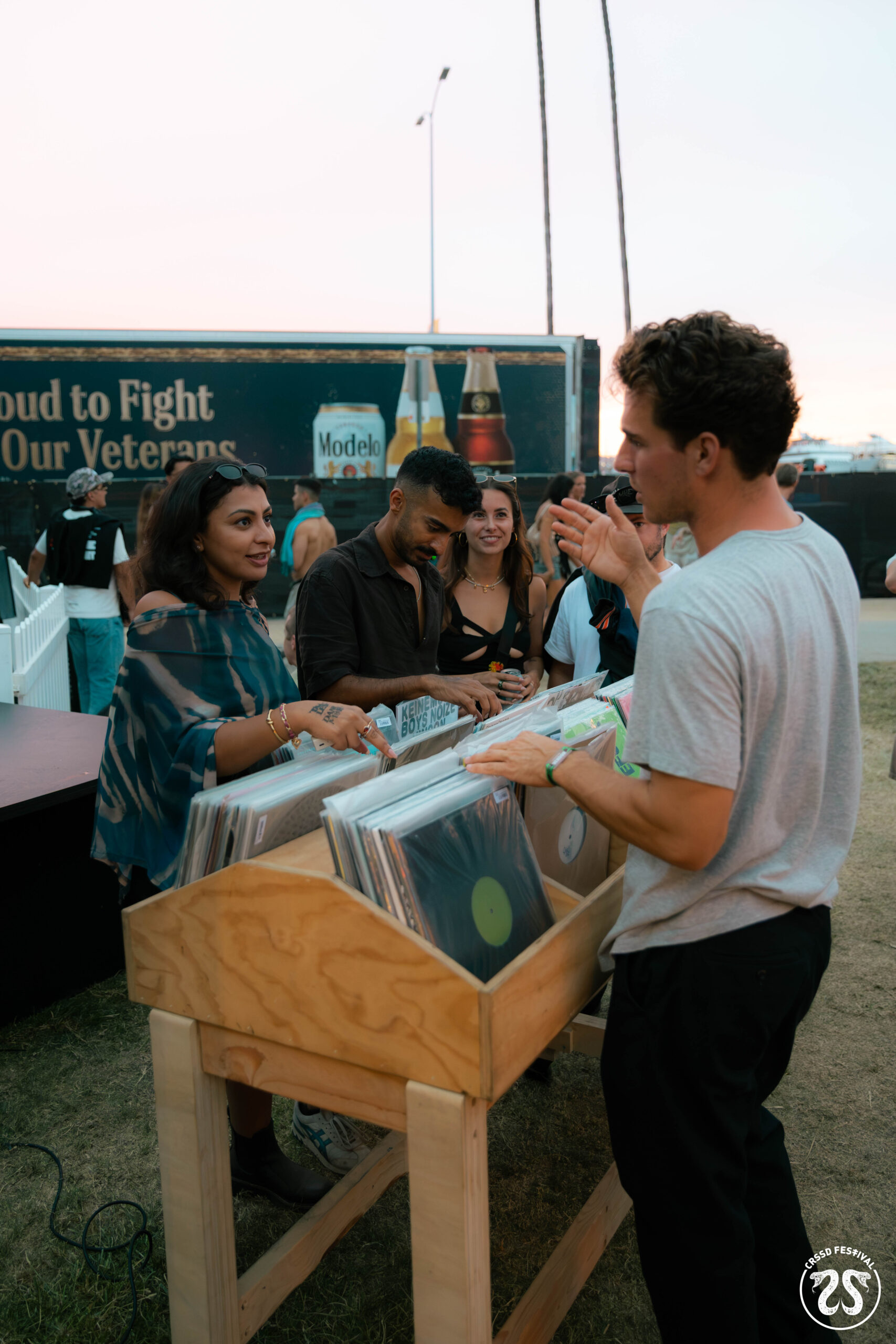
Selectors could also catch live mixes and dig through the crates at CRSSD Lab’s pop-up vinyl market to find favorite records, rare pressings, classic tracks, and hidden gems curated by Los Angeles’ Chapter One Records.
Coupled with the live performanes, these touches gave CRSSD a creative dimension beyond the dance floor, inviting attendees to not just listen to the music, but interact with the culture and creative process behind it.
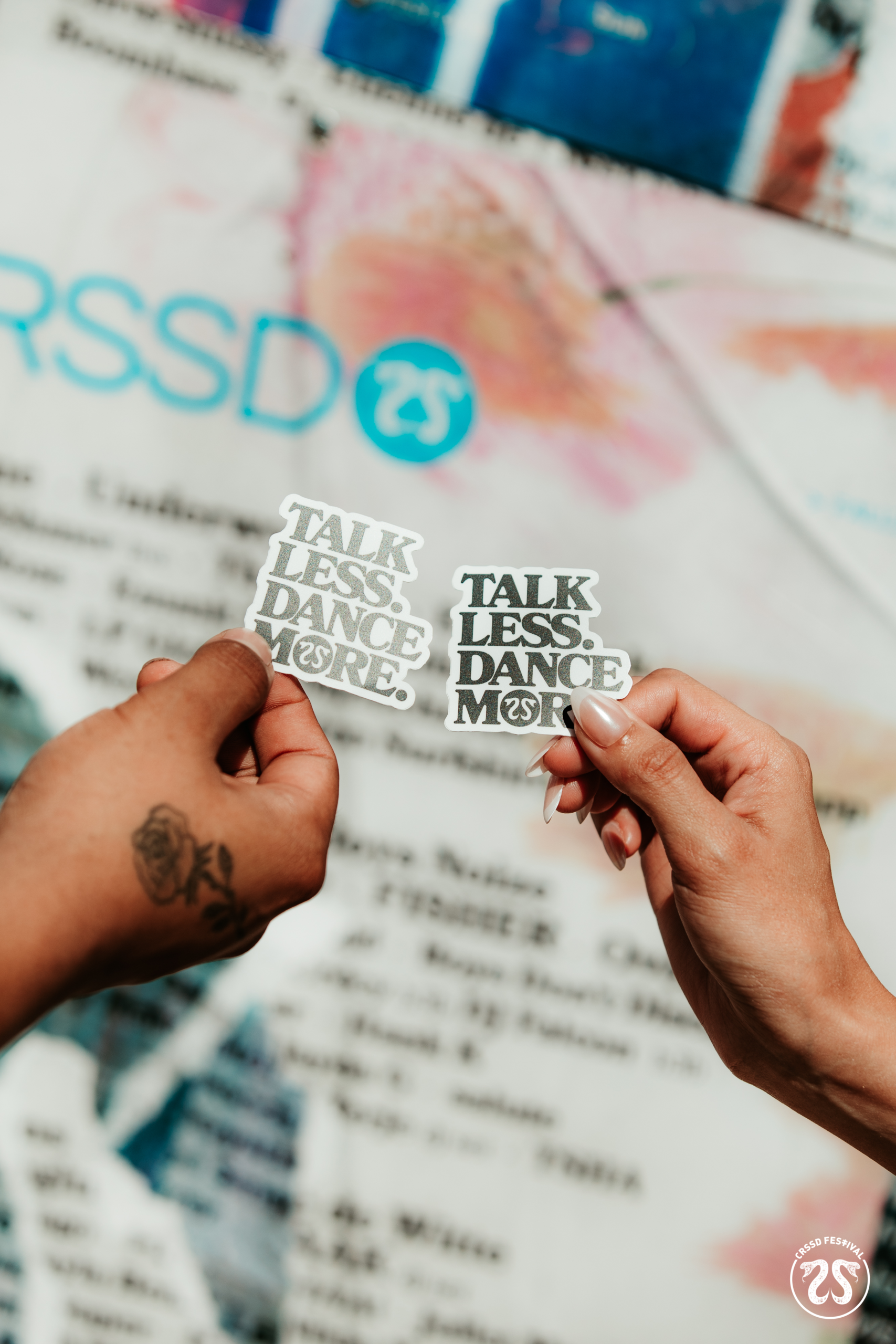
Scattered throughout the festival grounds, LED photo installations and schedule displays doubled as natural gathering points, giving groups plenty of opportunities to capture the weekend as it unfolded.
Food & Beverage: B-
CRSSD’s food and beverage offerings leaned more toward festival staples than culinary creations, with a familiar mix of pizza, grilled cheese, vegan burritos, hibachi, bao, dumplings, tacos, hot dogs, and mediterranean menu items available throughout the grounds. There was plenty of variety, but nothing tasted particularly groundbreaking.
The cocktail program brought a bit more personality to the experience, with elevated options like spicy passionfruit margaritas, Peach Bourbon Sunsets, dragonfruit martinis, lychee butterfly margaritas, and the intriguingly named Spiced Banana Fonk alongside the ever-reliable Red Bull vodka.
Beer drinkers had a more streamlined selection, with Pacifico, Modelo, Sierra Nevada, Latitude Brewing, Harland Japanese Lager, and Donna’s Pickle Beer. Mocktails and other nonalcoholic beverages were also readily available, giving those skipping booze plenty of choices to stay refreshed throughout the day.
Food was reasonably priced by festival standards, with meals ranging in cost between $10 and $40 and beer priced at $15. Prices for Red Bull cocktails were steeper, with single drinks available for $22 and doubles for $29.
Overall: B
For those who come to festivals for house and techno, CRSSD offers an experience that feels both distinctly curated and unmistakably San Diego.
Rather than relying on sprawling attractions or over-the-top production, the festival puts its energy into the things that matter most: a thoughtfully selected lineup, an engaged crowd, and an incredible setting that becomes part of the experience itself.
From dancing against the backdrop of the San Diego Bay to watching the sun sink behind the palm trees, there’s an effortless sense of place that few festivals can replicate.
That simplicity is ultimately what makes CRSSD so memorable. The festival doesn’t try to be everything to everyone, and it doesn’t need to. The atmosphere creates a space where the music remains the centerpiece.
Find EDM Maniac‘s complete Festival Report Card archive here.
Featured image courtesy: CRSSD Festival. Credit: Keiki-Lani Knudsen (@imkeiki).
