
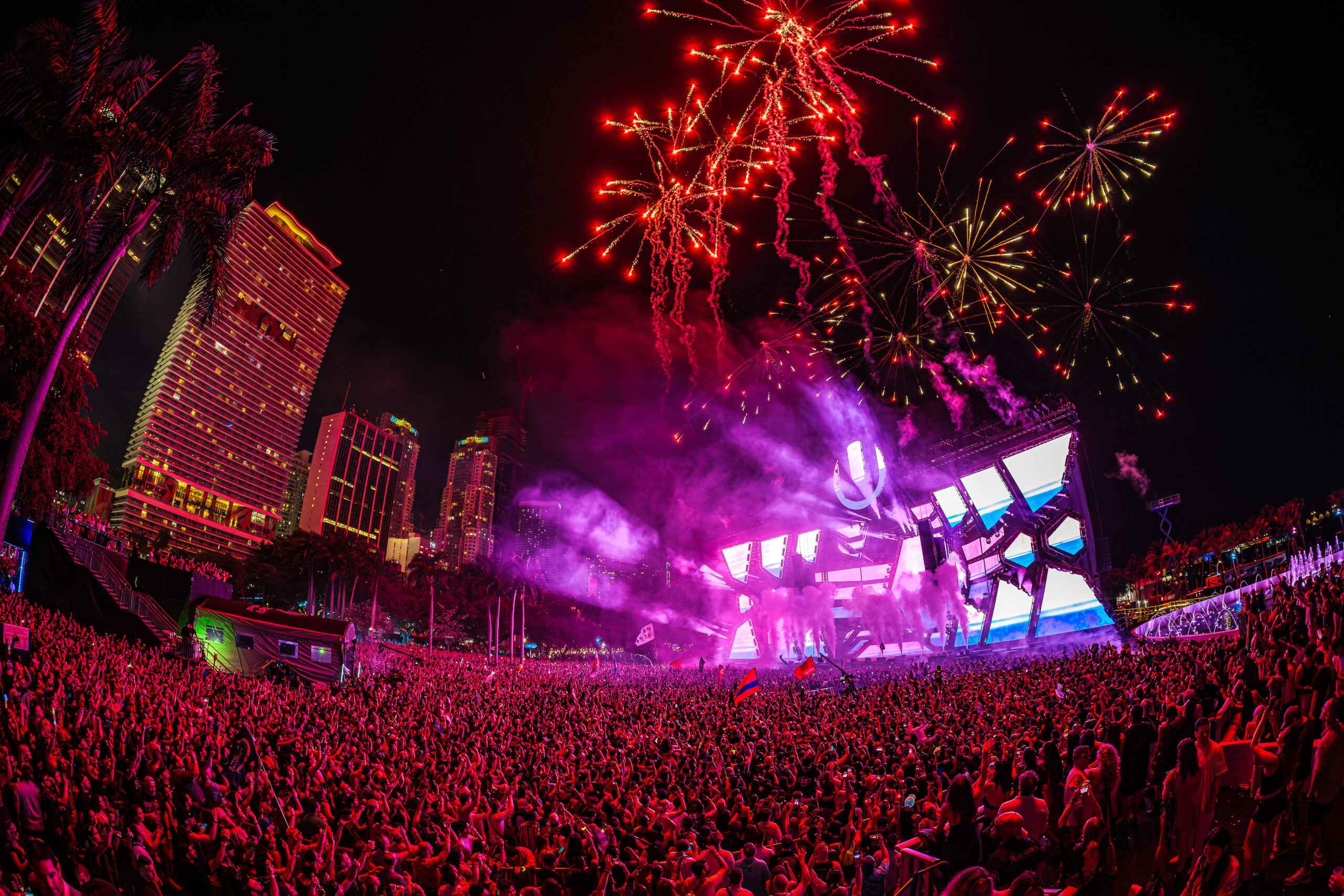
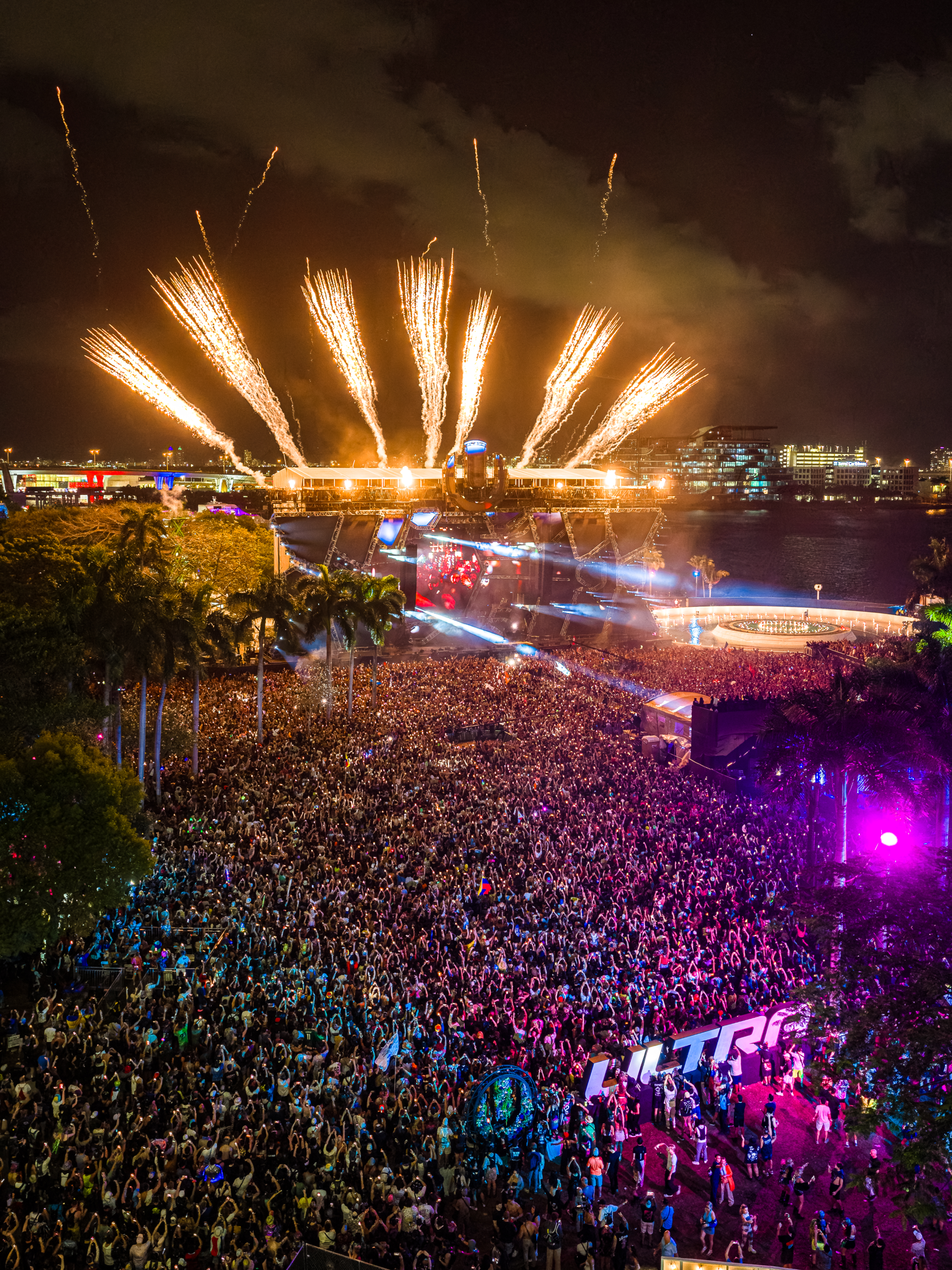
There are few trips in dance music that carry the same weight as heading to Ultra Music Festival in downtown Miami. From March 26 to 28, Bayfront Park filled with more than 165,000 ravers from around the world, drawn to the party by expertly curated bookings and show production that continue to set the standard for the global festival circuit.
Since its launch in 1999, Ultra has grown from a one-day beach party into one of the most influential brands in electronic music. The numbers reflect that rise. The festival has contributed nearly $3 billion to the local economy, according to city officials, and its cultural impact runs just as deep. As the festival concluded, organizers revealed that Miami-Dade County officially recognized March 28 as “Ultra Music Festival Day.”
After nearly three decades, Ultra is not just integral to Miami’s identity—it’s important to the whole of the scene, making and amplifying highlight dance music moments that are heard and seen around the world. On the ground at Bayfront, the scale is felt immediately.
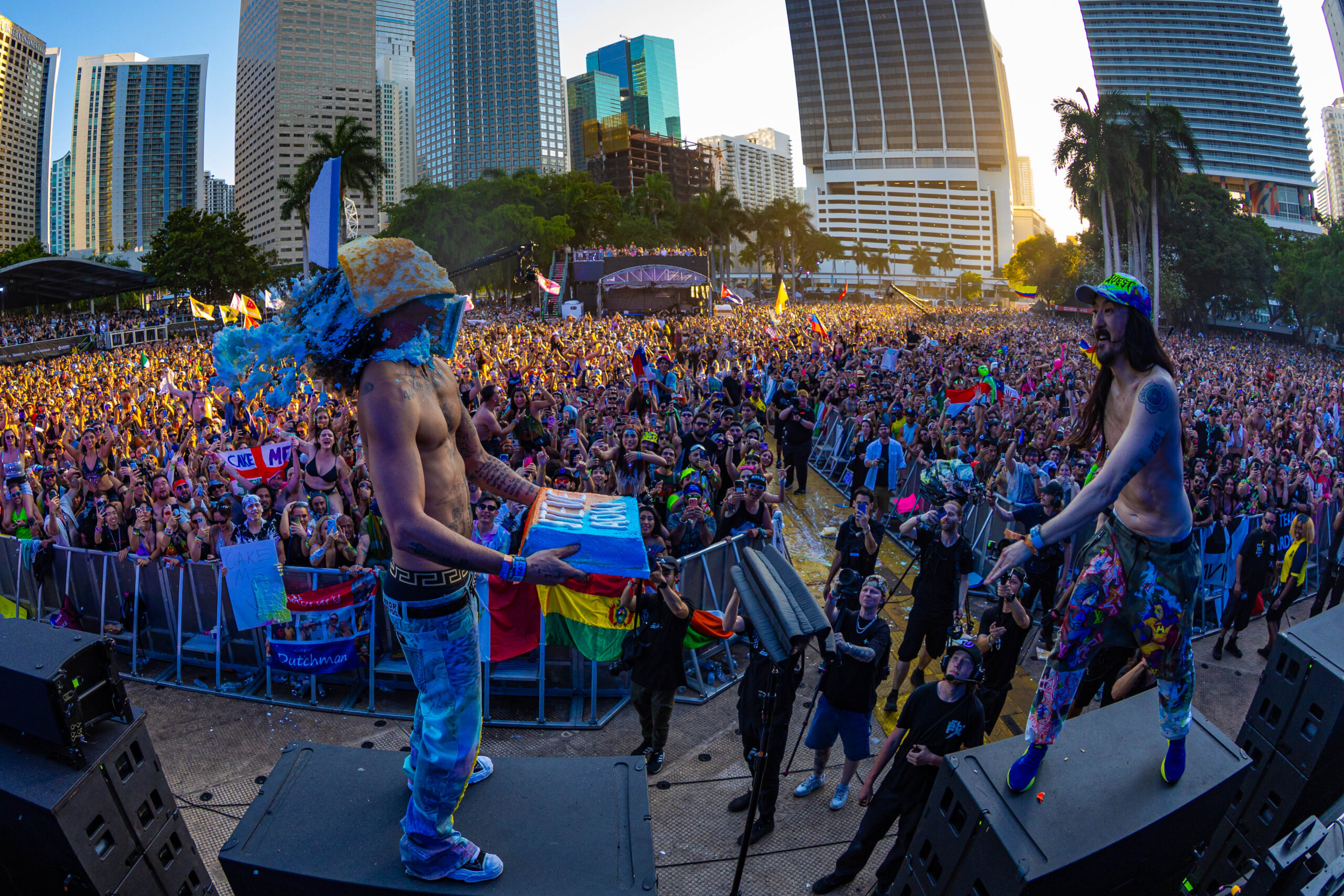
As expected, moving between the festival’s largest stages required patience, while exploring beyond them offered unique, more comfortable music experiences in the venue’s waterfront setting. But what truly defines Ultra is the moments attendees carry home with them, the kind of festival moments you talk about for years to come. This year delivered several, including surprise appearances from Skrillex and Swedish House Mafia.
Three days at Ultra 2026 left us full but not finished. Fans get what they came for, and still find themselves wanting one more night, one more set, one more run through the gates. That tension is part of what keeps ravers coming back.
Read EDM Maniac’s full report on Ultra Miami 2026 below.
Quick Takes
Best moment: Skrillex surprising us with a 15-minute B2B with Bizarrap.
Needs work: Packed crowds. Sidequests. The turkey legs.
Hidden gem: The vibes at Live From Earth’s Sunday takeover on the UMF Radio stage.
Audience Match
Who this festival is for: Dance music fans chasing high-energy moments and a well-rounded lineup.
Maybe skip if: Big crowds aren’t your thing. You need things to do between sets. You prefer immersive themes and costumed performers.
Vibes: B+
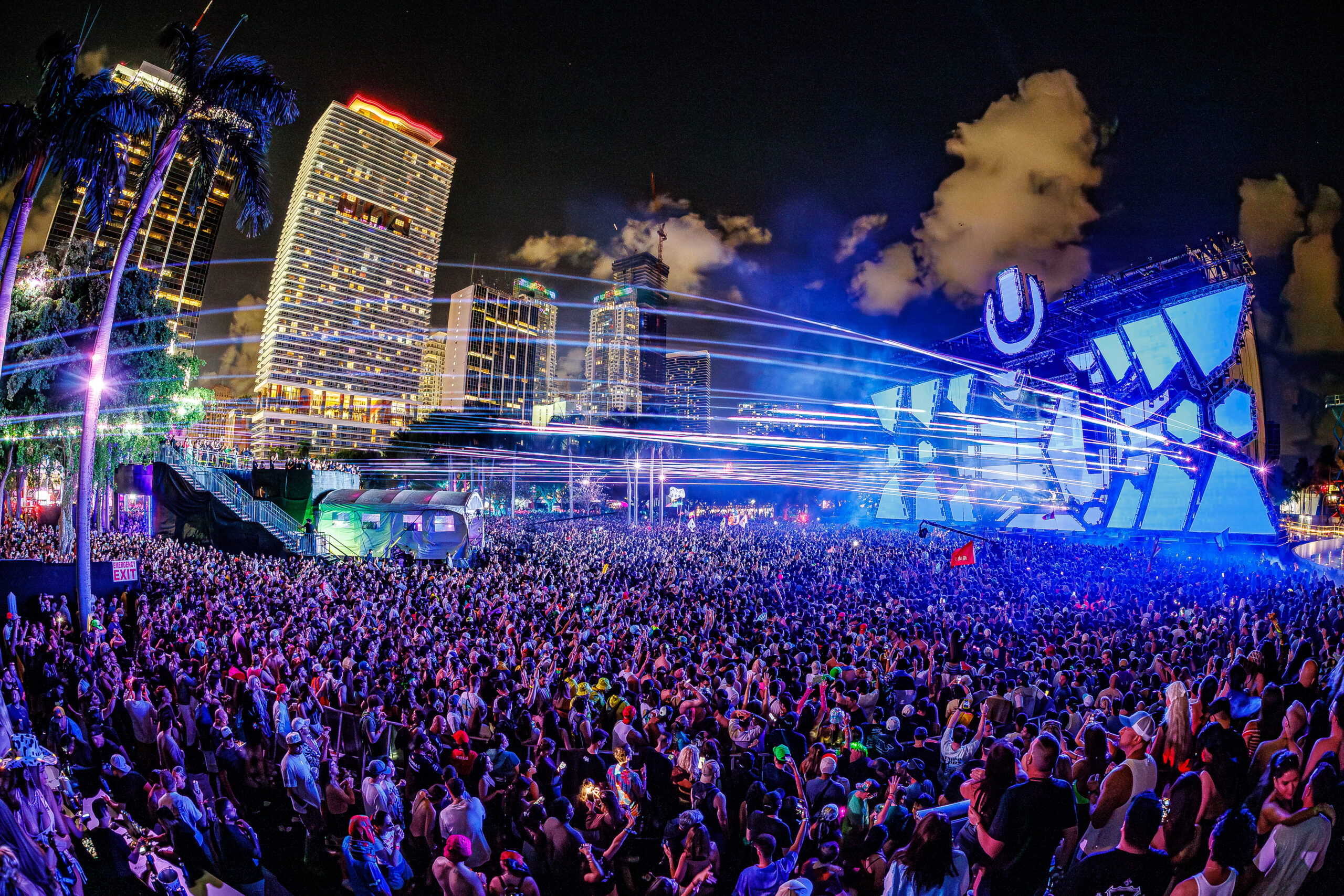
This year’s festival felt more PLUR than we’ve experienced at Ultra in a long time. In a noticeable shift in crowd energy compared to previous years, ravers actively looked out for each other across the grounds. It felt more intentional, more aware, and more human in the way people moved through packed spaces and shared moments together.
A shining example came during ISOxo’s set on the Worldwide Stage, when the intensity of the crowd briefly tipped into a tight, overwhelming squeeze. It could have easily become a stressful situation, but the people around us immediately responded with care.
A nearby rave fam stepped in without hesitation, helping create breathing room, fanning people, and reminding everyone to stay hydrated—all while staying fully locked into the set. It turned into a moment of collective awareness rather than panic, in which strangers worked together to keep each other safe while holding on to the energy of the music.
That same energy carried through the rest of the weekend. In even more intense peak moments, like Skrillex and Swedish House Mafia at the main stage, the crowd was packed tight and movement was limited, but there was a shared understanding of how people held space for each other. It wasn’t always comfortable, and those moments definitely pushed physical limits, but there was a baseline of respect that stood out.
Outside of those heavier surges, the vibe throughout Ultra felt genuinely kind. People were checking in on strangers, sharing water, making room when they could, and treating those around them less like obstacles and more like part of the same experience. It wasn’t just about the music this year; it was about how people showed up for each other between the beats.
Production: A
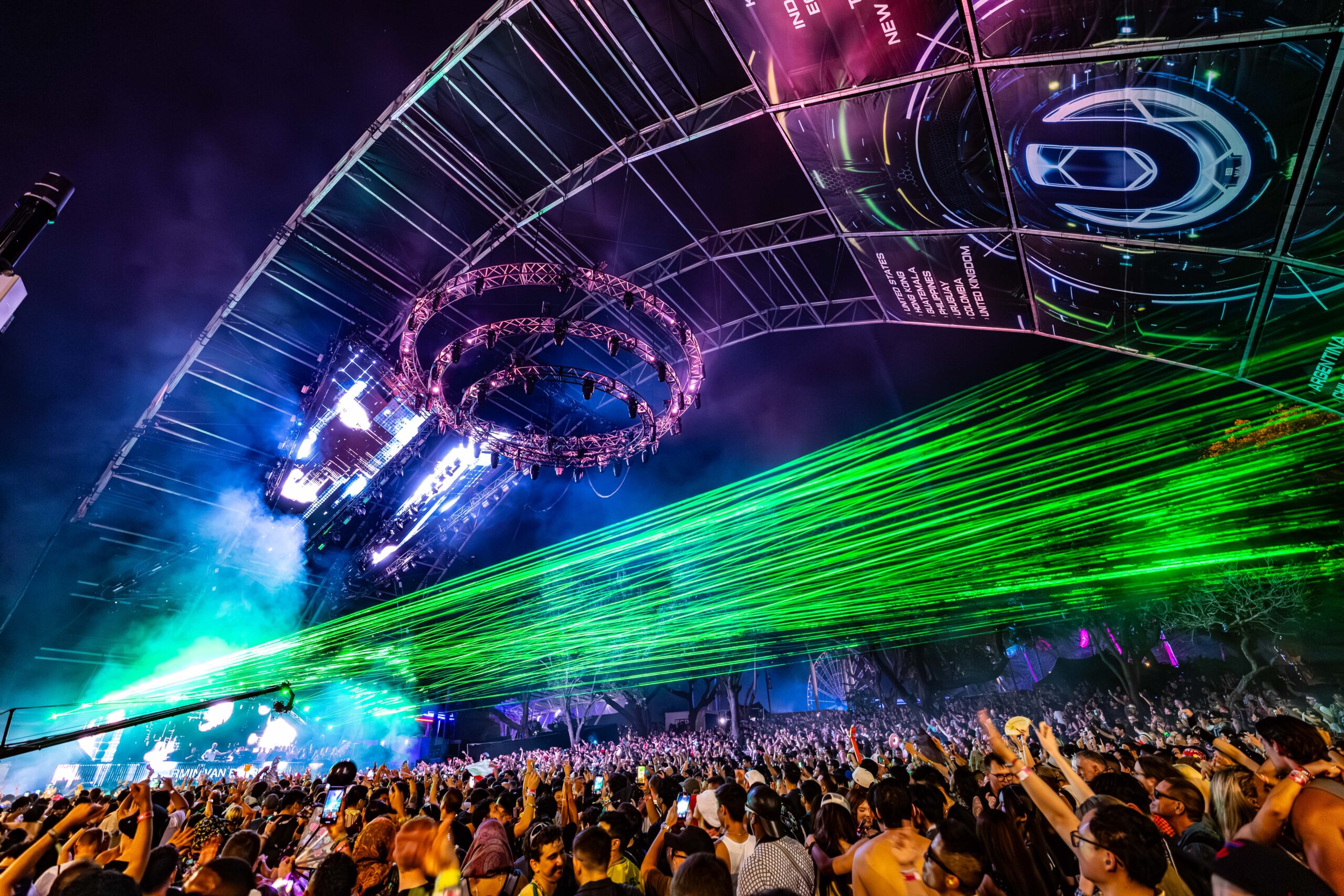
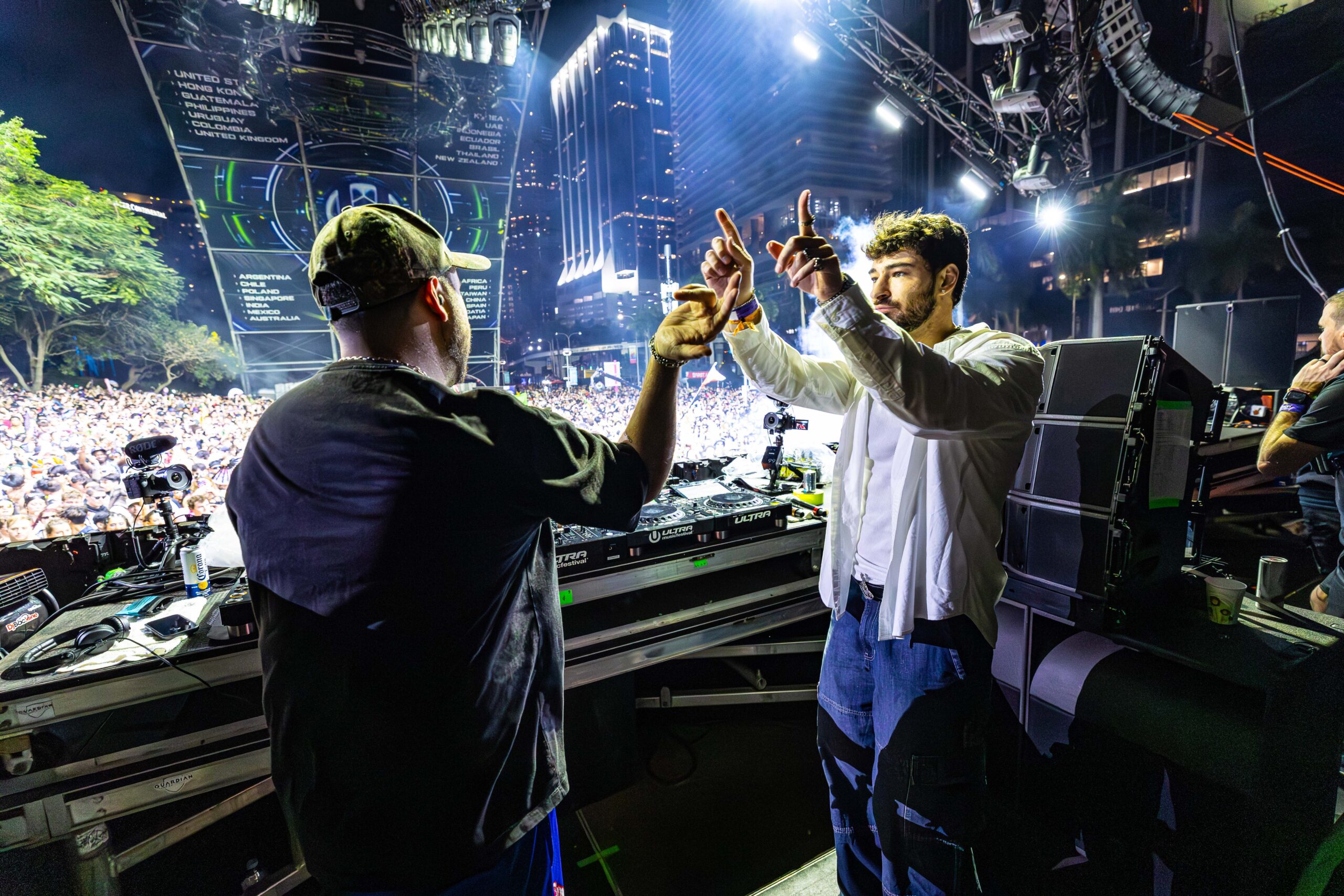
Ultra’s production this year was on another level. The main stage was genuinely mind-blowing from start to finish. Even for our teammates who have visited Ultra five times, it was clear that the production continues to evolve and sharpen year over year.
The magnitude of it all hit immediately—towering LED walls, razor-sharp visuals, synchronized lasers cutting across the skyline, and pyro and fireworks that gave every finale cinematic impact. Nothing felt static; the stage was constantly shifting and responding to the music, making the tech seem to come alive.
One of the most exciting parts of Ultra’s production identity is the space it gives artists to bring custom production and build their own worlds inside the festival. This year, standout sets like Levity’s Lasership concept and Black Tiger Sex Machine’s “Connected Fighters” production carried the torch. BTSM turned their manga-inspired universe into a fully realized live experience, blending narrative visuals, aggressive lighting design, and a relentless pace that felt like stepping inside a graphic novel.
The RESISTANCE stage remained a highlight for house and techno, offering one of the weekend’s most immersive environments. Entering the megastructure felt like stepping into a warehouse reimagined at festival scale, with a massive central LED screen, visual panels wrapping the space, perfectly timed CO2 bursts, and lasers that elevated each drop without distracting from the music. For artists like Carl Cox, it felt like a natural home, where the production supported the sound rather than competing with it.
Ultra’s production continues to tighten and refine its identity, balancing massive main stage spectacle with more focused, underground-leaning spaces that allow different sounds to fully breathe. This makes the festival feel larger-than-life and thoughtfully crafted at the same time.
Music: A
This year’s Ultra lineup was stacked from top to bottom, moving fluidly across house, techno, bass, trance, and hardstyle to create a cohesive three-day experience.
Friday opened with big-room energy and emotional mainstage moments. ASOT co-founder Armin van Buuren anchored the trance presence, while Alesso B2B Martin Garrix took peak-time energy in unexpected directions. They even dipped into dubstep. Bizarrap also delivered one of the weekend’s most talked-about sets, bringing out Daddy Yankee and later Skrillex for a historic closing B2B.
Saturday leaned into bass and intensity. Ray Volpe B2B Sullivan King delivered one of the most aggressive sets of the weekend, while last-minute lineup addition Swedish House Mafia took over the main stage with their cinematic sound. A surprise guest appearance from Eric Prydz added to the euphoric, once-in-a-lifetime set. Over at RESISTANCE, Carl Cox and Adam Beyer delivered steady, masterclass techno sets that brought the experience back to its roots.
Sunday felt like a true finale at every turn. Miami transplant John Summit headlined the Ultra main stage for the first time. Sara Landry B2B Amelie Lens closed out RESISTANCE with a powerful techno statement. WANKDAT (Wooli & Crankdat) lived up to the hype with a ridiculous bass set. Marlon Hoffstadt brought a bouncy, trance-tinged set that added a playful lift to the closing day. And one of our favorite sets on Sunday was ISOxo’s high-energy performance.
All weekend long, Ultra gave us a well-rounded music experience, balancing global headliners with underground staples and rising talent. Beyond headliners, artists like DJ Gigola and BOLO added fresh, forward-thinking energy that tied the whole weekend together.
Venue: B
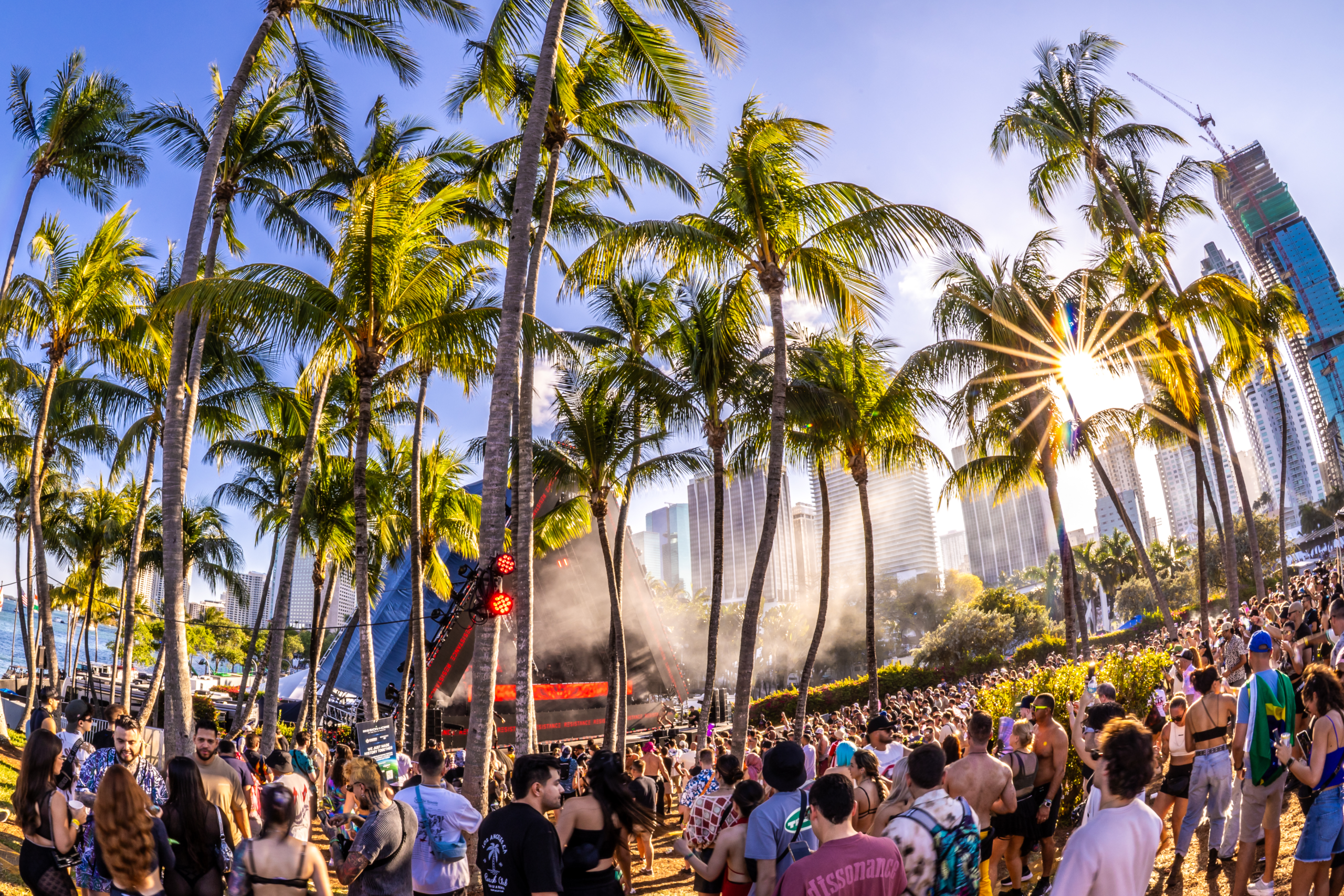
Bayfront Park again proved why it works so well for Ultra. Though roughly 165,000 attendees moved through the space over the weekend, the grounds were easy to navigate. Performances are close enough together that stage-hopping feels quick and natural rather than like a long trek. The venue is less overwhelming than the massive footprints of other major festivals, which makes it especially approachable for newer ravers.
Over more than two decades at Bayfront Park, the festival venue has become intimately familiar to returning attendees. Paths become instinctive, favorite viewing spots naturally form, and it starts to feel like home over time.
The compact layout makes it easy to stay locked into the music without constantly recalibrating your next move. Even the merch store stood out this year. The shopping setup felt thoughtfully constructed and was easy to move through, adding to the flow of the experience.
From carbon emissions to waste diversion, Ultra is known for its sustainability efforts, and signage around the grounds encouraged respect for the waterfront space, a small but visible reminder that festivals of this scale carry a responsibility beyond the music.
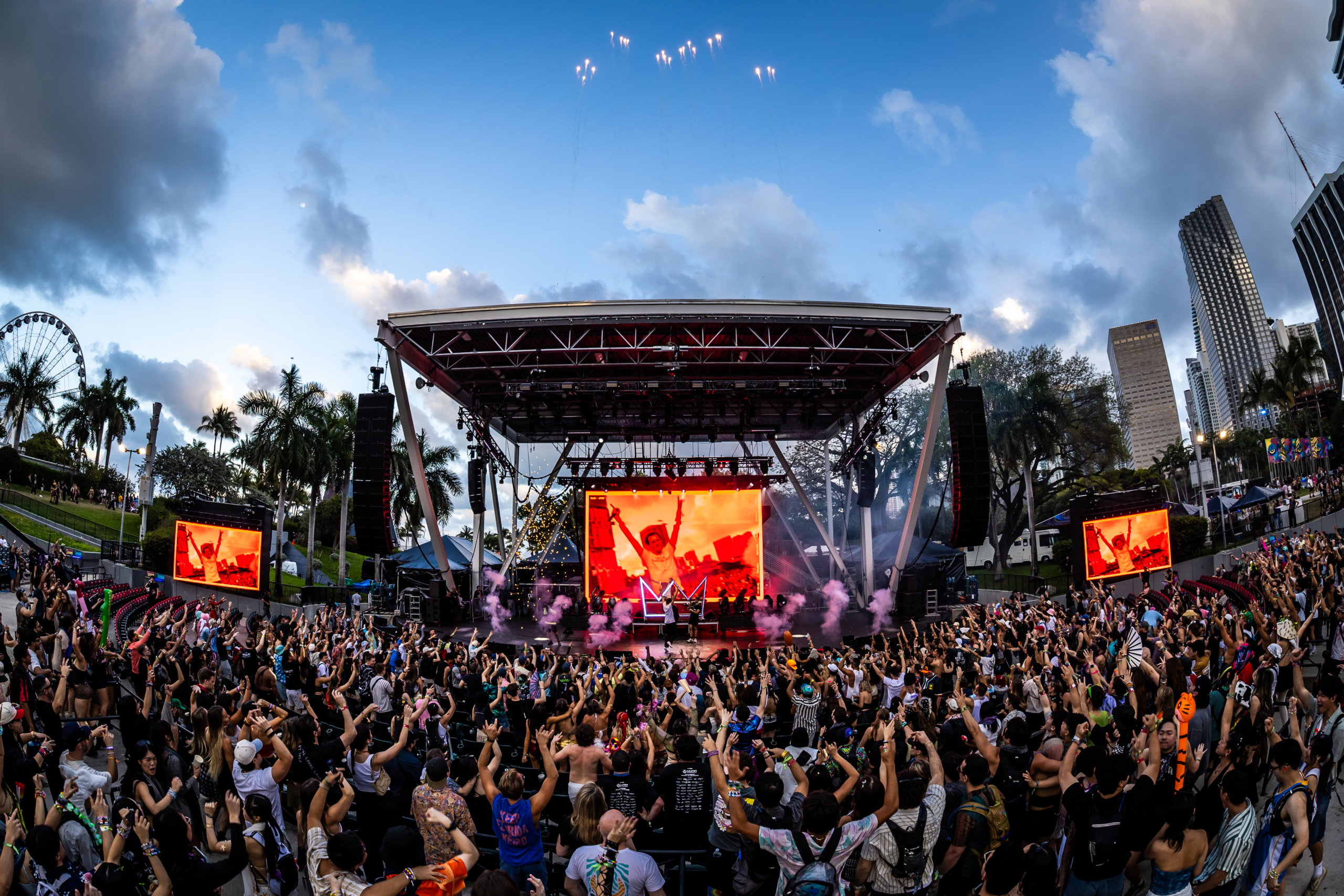
The main stage and Worldwide Stage drew the largest crowds of the weekend, and moving through those spaces required patience. For many, the better experience came from exploring beyond them. The RESISTANCE stage delivered a more focused house and techno crowd, while the UMF Radio stage and other areas offered room to move and stay locked into the music without interruption.
The biggest venue challenge came when it was time to leave. Entry and movement within the festival were fairly smooth, but leaving during peak hours caused noticeable congestion due to closed streets and limited outward routes. Some exit points also felt unusual given the scale of the crowd, including wide pathways leading to small revolving-door exits that caught people off guard.
Overall, Bayfront Park stands out as a rare large-scale festival venue that still feels compact, intuitive, and easy to move through, despite holding a massive crowd.
Sidequest-ability: D
Ultra wasn’t heavily focused on non-musical programming or traditional side quests this year, but there were still a few standout touches that added texture to the grounds. Most of the experience still revolved around moving from stage to stage, and exploration happened through the music rather than through curated spaces for activity.
That said, there was some effort toward visual and interactive art scattered throughout the venue. A live graffiti artist painted on site and added a sense of real-time creation to the environment. Nearby, a glowing rave goddess installation stood out next to the Ultra flags, serving as a popular landmark for reuniting rave fams.
There was also a simple but effective photo activation where attendees could take a group picture and have it sent directly to their phones. It was a small addition, but it worked well as a quick way to capture memories without pulling people too far out of the festival flow.
Our sidequests at Ultra were subtler than those at more arts-focused festivals. The real exploration came from the layout itself and the constant movement between dance floors. Instead of trippy art and scavenger hunts, we found our rhythm by following our ears from stage to stage.
Food: B+
Ultra Miami 2026 featured a solid lineup of food vendors throughout Bayfront Park. Most options were easy to find near the main stage and main walkways, and diverse menus covered festival staples like pizza, tacos, burgers, kebabs, wraps, and Korean bulgogi—familiar choices with a few global twists.
Pricing was consistent with most major U.S. festivals, averaging between $20 and $25 per meal, though specialty items like protein shakes and premium drinks were more expensive. There were also options for gluten-free, vegan, and dairy-free diets. The addition of seafood-focused items, such as lobster rolls, with an emphasis on more sustainable, locally sourced ingredients, was a small but notable touch. Unfortunately, the turkey leg we tried was very dry.
All in all, the food at Ultra was straightforward, convenient, and designed to keep people fueled throughout the weekend with easy access to a variety of options.
Overall: B+
In 2026, Ultra Miami again proved why it sits at the center of the dance music universe, not just as a festival but as a core part of Miami’s identity within the global scene. Set against the downtown skyline and views of Biscayne Bay, it continues to feel like a place where legacy and the present moment meet.
Bayfront Park remains a huge part of why Ultra works, with a waterfront layout that feels both iconic and easy to navigate even at full capacity. More than anything, Ultra continues to reflect Miami’s long-standing influence on electronic music, carrying its history while pushing the culture forward each year.
Find EDM Maniac‘s complete Festival Report Card archive here.
Featured image courtesy: Ultra. Credit: Alive Coverage.
