In a live music sector dominated by corporations and commercial music, Shambhala is, literally and figuratively, a breath of fresh air.
Over 27 editions since it began in 1998 on founder Jimmy Bundscuh’s 500-acre family-owned farm in Salmo, British Columbia, the remote electronic music campout has grown from a one-stage rave built by a crew of local kids to a crown jewel of the North American festival circuit, drawing crowds of close to 20,000 ravers who make the annual pilgrimage to its pristine site in the Canadian wilderness, nestled among the Kootenay Mountains and the glacier-fed Salmo River.
But while lesser independently launched events have made concessions to expand and compete with rising costs and shrinking margins, the tenets on which Shambhala was founded—meticulously curated underground music, walloping sound systems, astounding DIY production, pioneering harm reduction, and remarkably holistic vibes—have remained.
Standing out in an events landscape dominated by Live Nation and AEG, the festival is still family owned and operated on private land. Permanent stages and facilities are built into the landscape. There are no corporate sponsors or branded cocktail bars (in fact, there’s no alcohol at all). And when the music goes silent, the Salmo River Ranch property, affectionately known as “the Farm,” still raises cattle year-round.
Stepping onto the site for Shambs is like stepping back in time. There will be naysayers who point to how the festival has changed, but as far as we’re concerned, it’s the only once-underground dance event on the continent to get this big and not lose its way.
Upon Shambhala’s return late last month, July 24-27, we were reminded yet again why, for those craving a renegade rave vibe, its one of the best parties on the planet. Read EDM Maniac’s full report on Shambhala Music Festival 2026 below.
Quick Takes
Best moments: Sunrise over the Kootenays. Garage in the Grove (Interplanetary Criminal, Main Phase, DJ Swisha B2B Conducta, and more). Orbital’s Phil Hartnoll playing the Living Room, his first Shambs appearance, at the age of 62.
Needs work: Long lines for campground entry and departure.
Hidden gem: The Rabbit Hole and its crisp HSD sound system.
Audience Match
Who this festival is for: Veteran ravers. Outdoor adventurers. Audiophiles. Bassheads.
Maybe skip if: You’re a techno purist. You prefer the creature comforts of less remote events.
Vibes: A
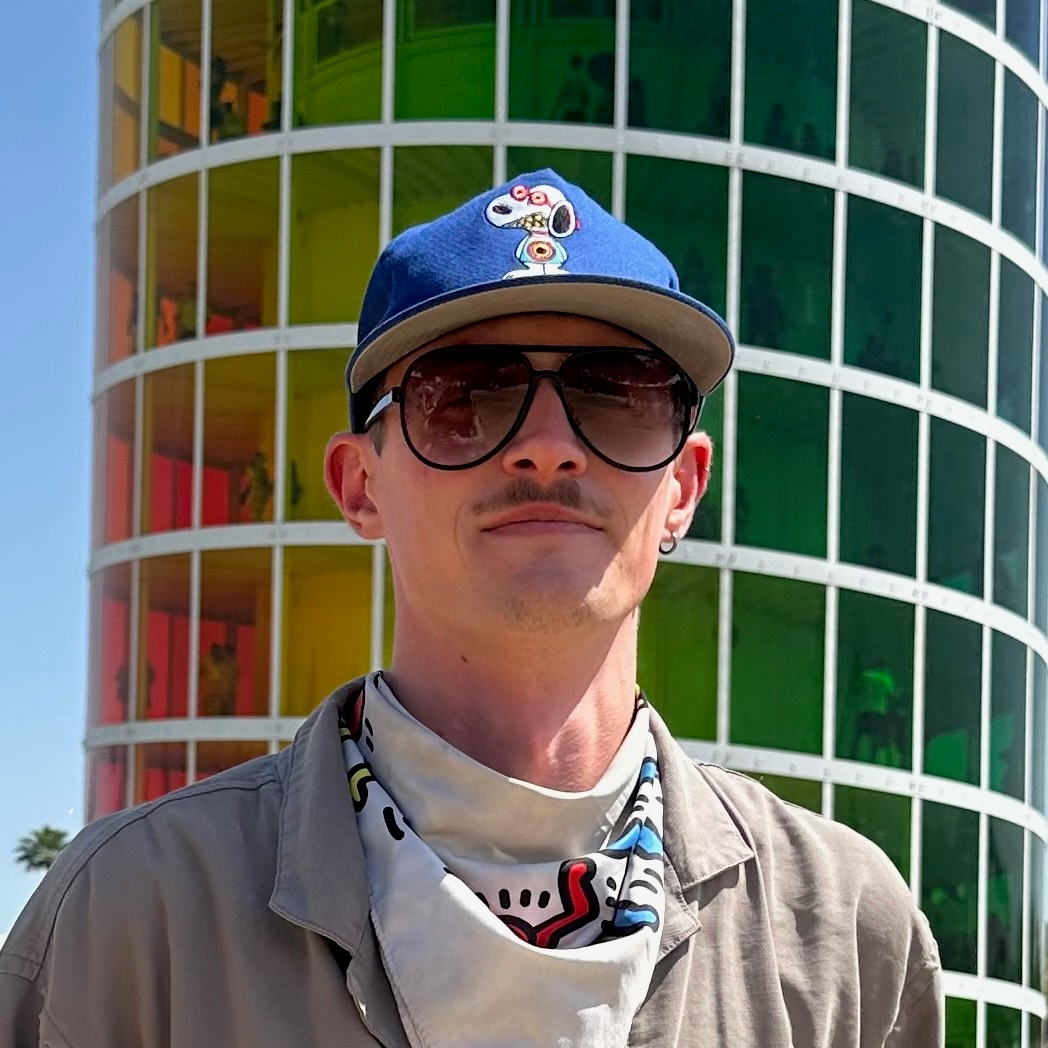
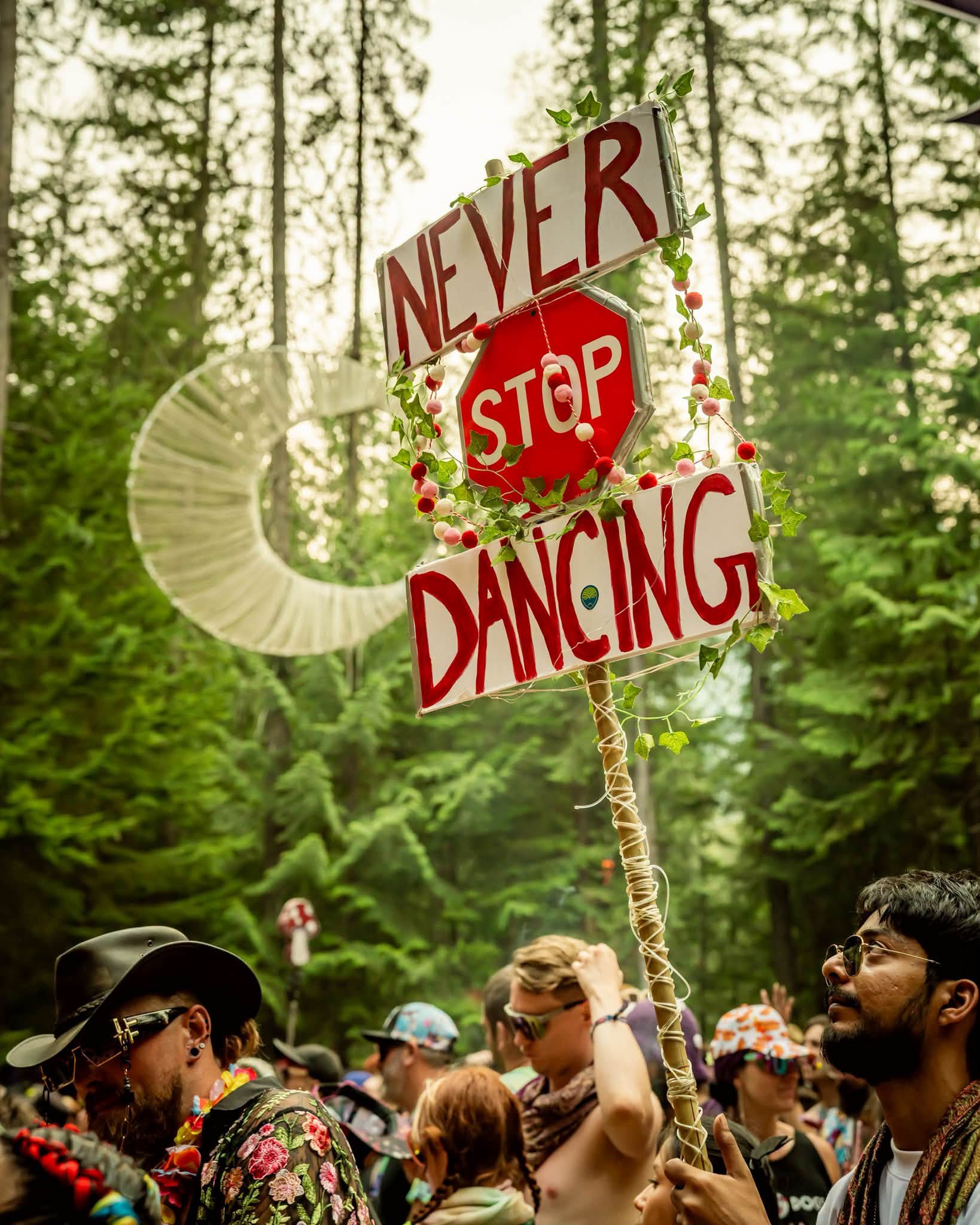
Shambhala is home to the most open and receptive crowds we’ve come across. We make more new friends at this festival each year than few, if any, other events we attend. Almost every interaction is met with a smile, and closed with a “Happy Shambs.”
In a linkage to the BC Interior’s long-standing countercultural legacy, dating back to the 1960s when it became a hippie hangout and hotspot for incoming draft dodgers and dope growers, there’s a strong sense of intentionality that extends from the festival itself to the partiers that populate it.
Tucked away down winding mountain highways, Shambhala’s remote location and the long journey it takes to get there from most regions of the world tends to weed out the casuals and the bad eggs. Those who make the trip really want to be there and are usually more experienced festivalgoers. Its dusty, it’s dirty, but as revelers take in the lights, lasers, and mountain views, a “we made it” appreciation really permeates the vibe. The Farm is hallowed ground and the theme is gratitude.
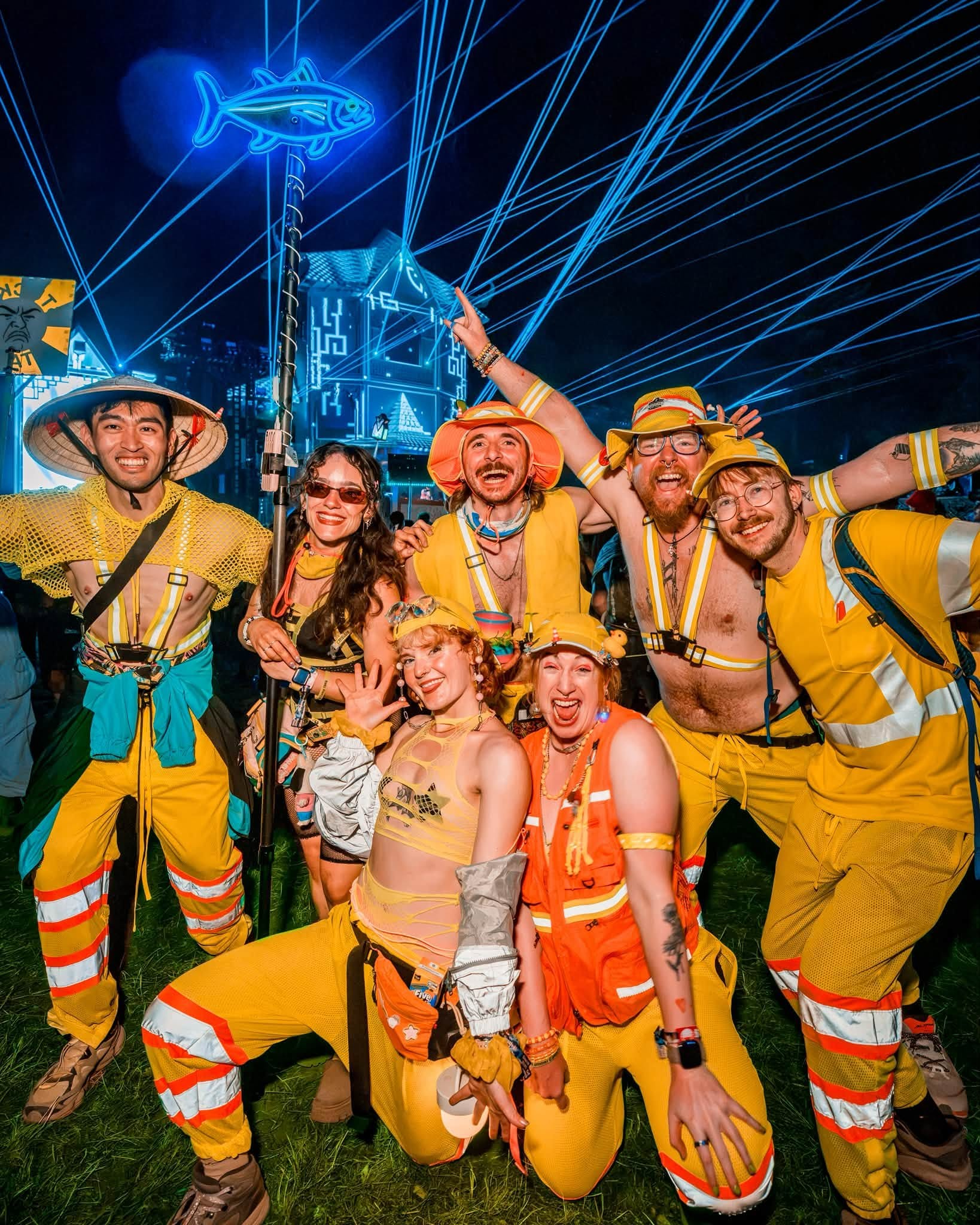
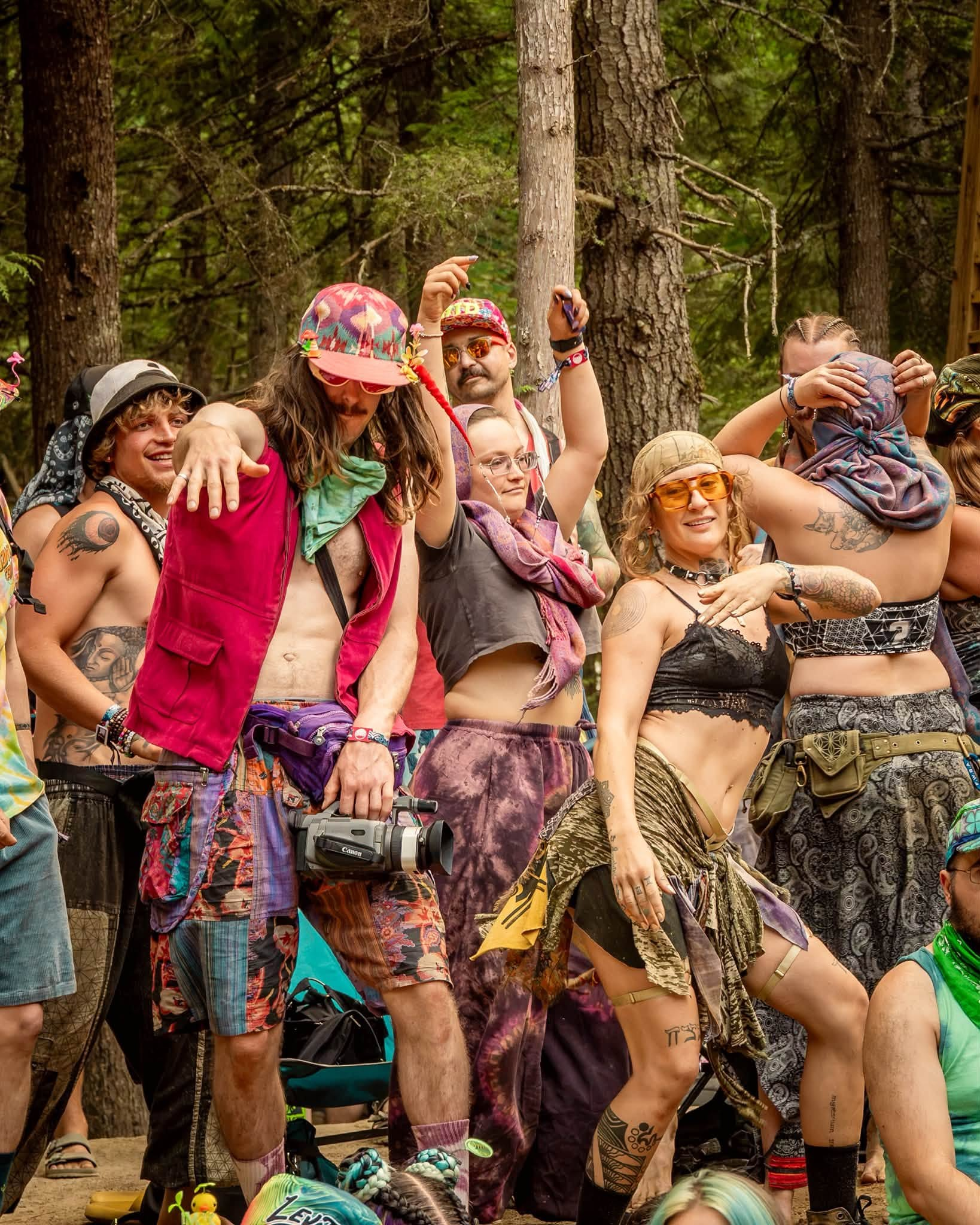
Moreover, the crowd at Shambhala is a beacon of delightfully unhinged human creativity. Attendees contributed to a downright magical festival atmosphere with themed group getups, hilarious totems, and even method comedy routines. Among our favorites this year: roaming geriatrics, several Loraxes, FIFA World Cup referees, and hoopers from the NBA Champion New York Knicks. But our top spot goes to the crew of at least 12 mimes whose completely silent antics had us in stitches when they stormed the dance floor at the Rabbit Hole.
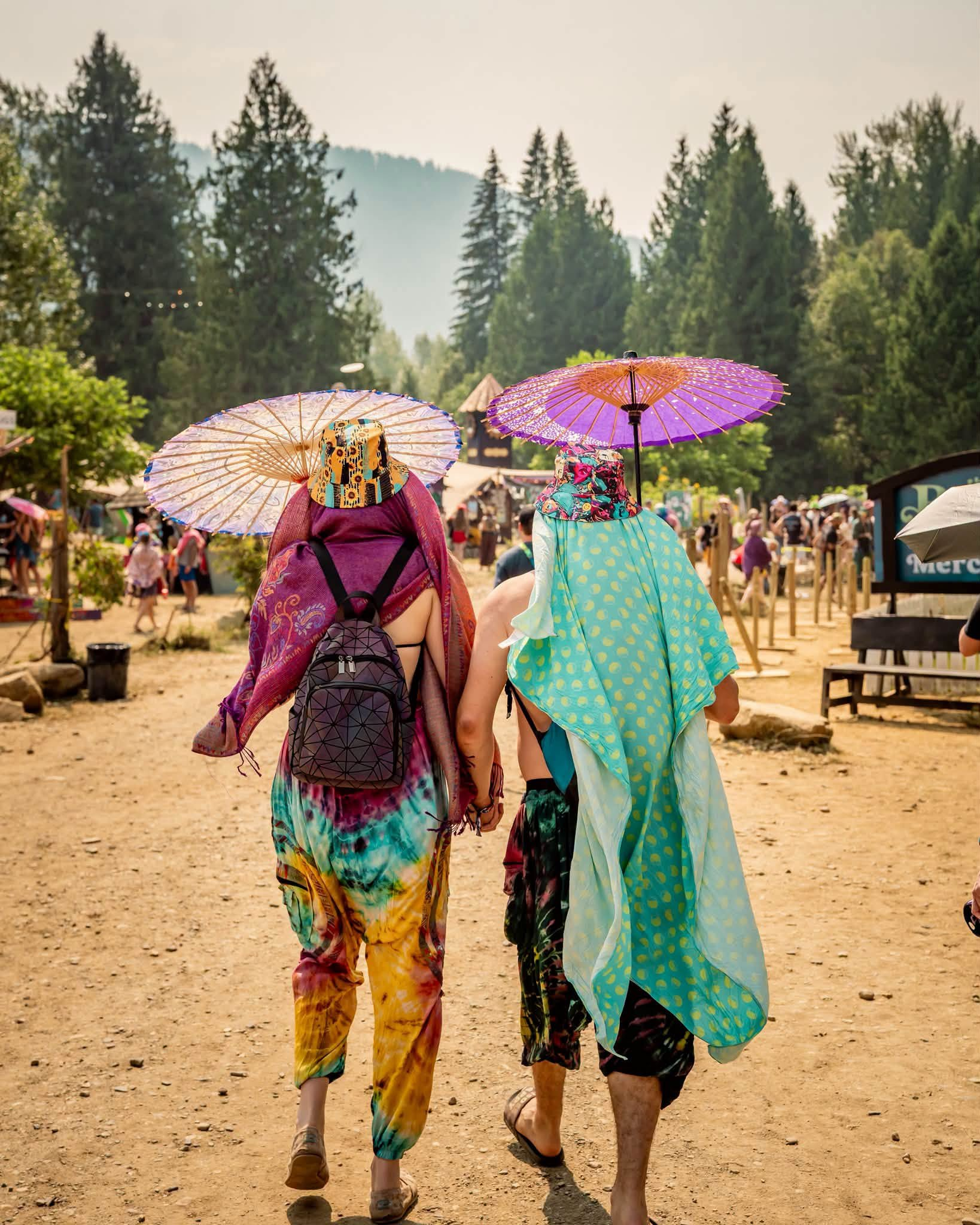
You won’t find much fast fashion at Shambs either. Clothing swaps are a popular way to meet new friends and pick up new duds sustainstanibly. People bring their most special, expressive selves to this special occasion, and, coupled with the need for a few extra layers to combat the northern nighttime chill, the dance floor could suffice for an earthy fashion show. Bring your best wook drip.
Underscored by several recent tragic and headline-grabbing safety incidents at festivals across the globe, including this year’s Shambhala, no festival is immune to the harsh realities of the world. However, Shambhala is still hands-down the safest we’ve felt at a festival. When attendee Kayla Boisvert was reported missing on the final day of the event, on-site staff showed her picture and description to each exiting car. After an all-hands effort from organizers, Canadian authorities, and internet sleuths, Kayla was safely reunited with her family last week.
In our experience on the dance floor, we rarely feared being overtly bothered, and often felt comfortable enough to leave our non-valuables tucked off the dancefloor further from reach than normal.
Make no mistake, Shambhala is far from some utopian wellness retreat. It’s a massive party in the middle of the woods. Things are prone to get crazy. But when they do, the festival’s world-class harm-reduction services help keep people safe and the show running smoothly.
Among other forms of support and outreach, efforts include 24-hour medical; The Sanctuary, a designated safe space offering psych crisis and mental health support from trained professionals; and ANKORS, a local nonprofit that offers info on drug effects, risks, dosing and mixing, free drug checking, Fentanyl test strips and eduction, and Naloxone and overdose reversal training. In many countries, including the United States, many of these services are not permitted by law. Shambhala serves as an exemplary harm-reduction model that the rest of the world should follow.
Shambhala is also a dry festival. No alcohol is sold or permitted on the premises. Though you’ll still encounter a few ravers spun-out on other substances, the inhibitive and sometimes destructive effects of alcohol are exceedingly rare.
Though guests can arrive on the site as early as Tuesday, music runs from Thursday to 10AM on Monday morning, which gives attendees plenty of time to settle in and explore.
Production: A
Your standard stageline build can eat Shambhala’s dust.
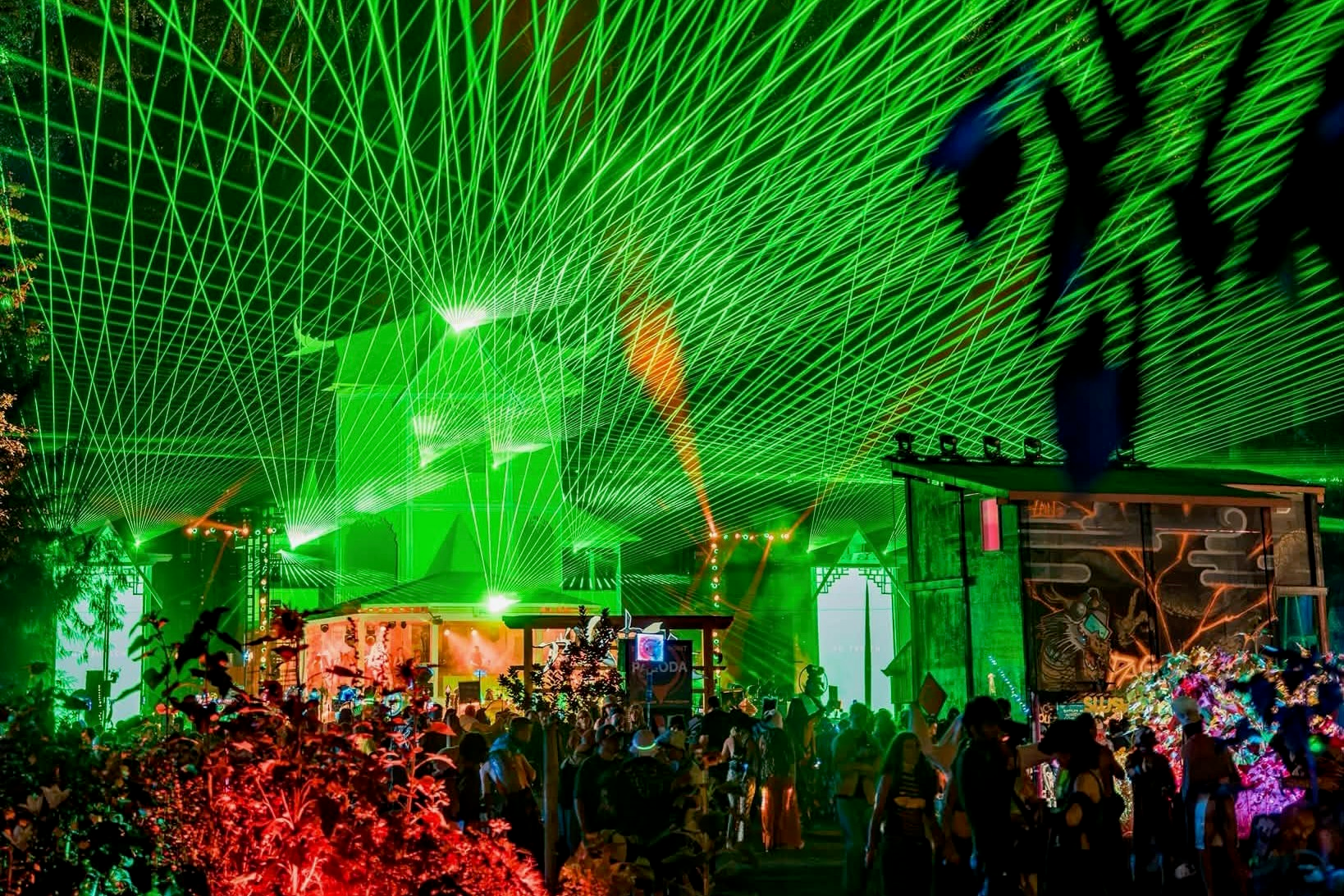
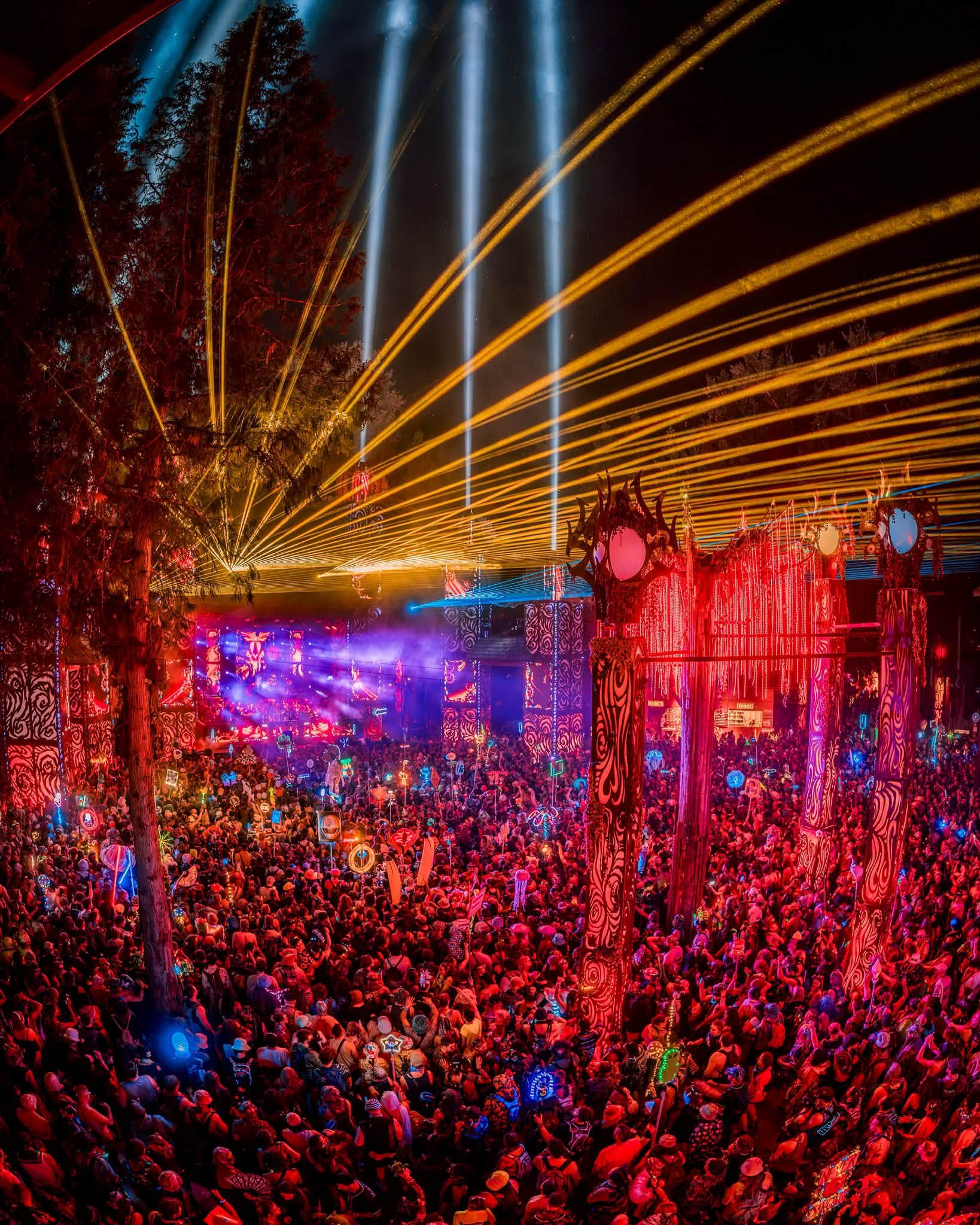
The permanence of the festival’s privately owned site affords some of the most spectacularly creative stage builds we’ve ever seen and some of the most insane acoustics we’ve ever heard. It’s a living venue that has evolved deliberately and continuously over nearly three decades, and when you don’t have to tear down the stages with each passing edition, you can be as ambitious as you want. The photos don’t do it justice.
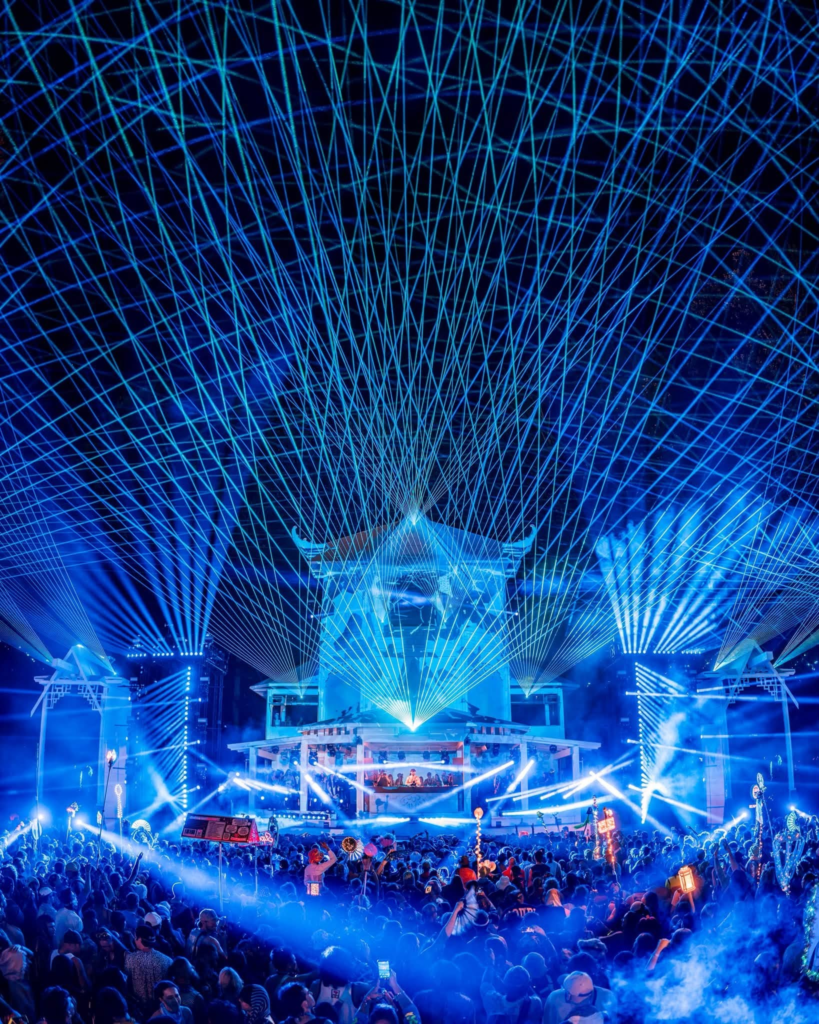
Shambhala’s de-facto main stage, the Pagoda, a regal seven-story temple painted entirely white to provide a blank canvas for 3D projection mapping visuals, was washed in eye-popping color and shape-shifting psychedelic patterns. Though we can’t be certain, each year, the laser count only seems to increase.
Fractal Forest, Shambhala’s ravey tree-covered destination for house, disco, and funk, furiously blasts lasers between towering trees that sprout up from the dance floor. Just down the river, the Living Room’s small dancefloor, its perimeter dotted with lamp shades opposite the stage’s A-frame roof, is an intimate home for deep, organic house sounds and trippy ‘90s rave beats overlooking the water. By day, you can take a dip within earshot. By night, lasers display intricate patterns on the trees on the opposite bank. Meanwhile, on the venue’s South end, the Grove’s wooden facade serves as a gateway to the festival’s Secret Garden, if you aren’t sucked in by its ambient lighting and freeform bass beats first.
One of Shambhala’s most increasingly popular stages amid UK bass’ recent continental resurgence, the AMP takes shape as a miniature colosseum; its main floor dug out from a mound of rocks and dirt that offers tiered perches for dancing with a view. After close to a decade of service, its previous design made way for a taller roofed DJ booth this year, featuring LED video walls in place of its prior 3D projection mapping visuals. The old look wasn’t without a proper send-off though: last year, dubstep legend Skream played B2B with fellow genre heavyweights for over 12 hours nonstop.
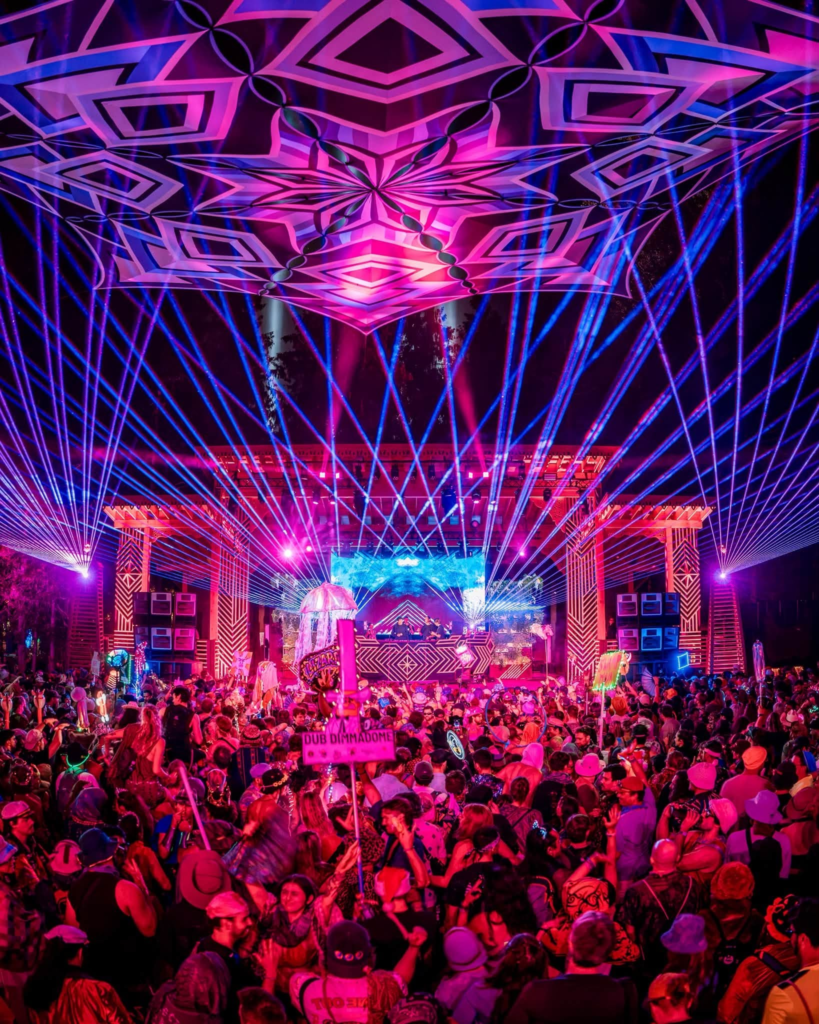
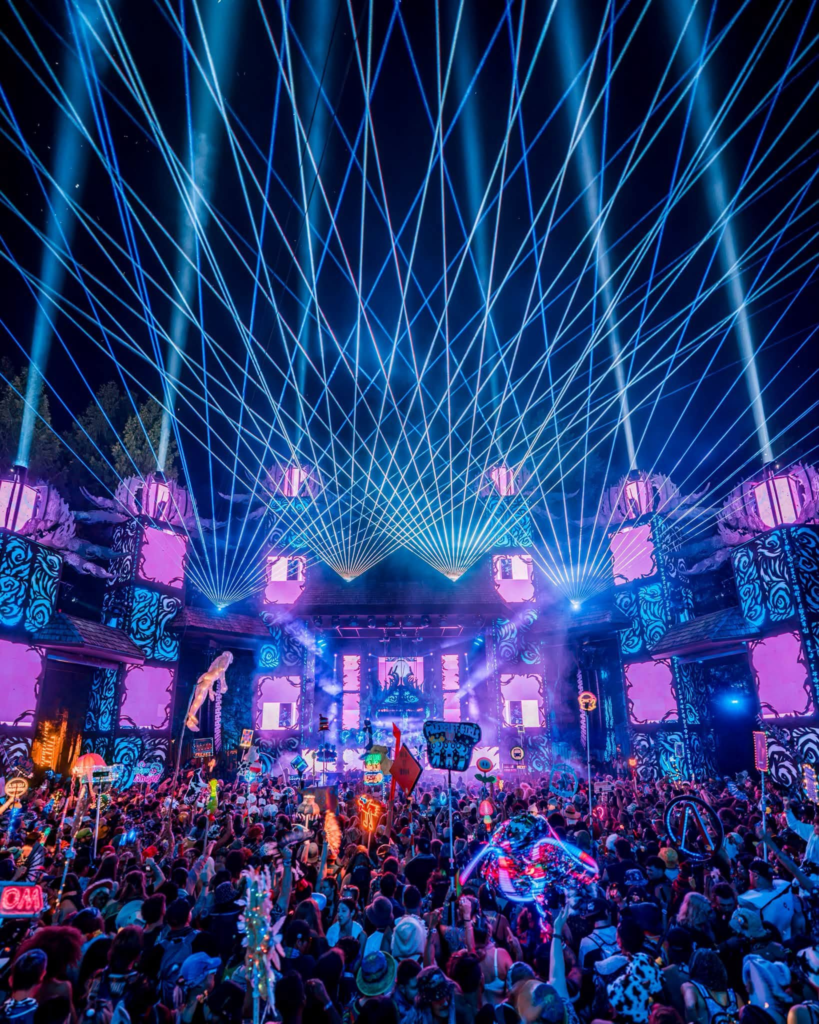
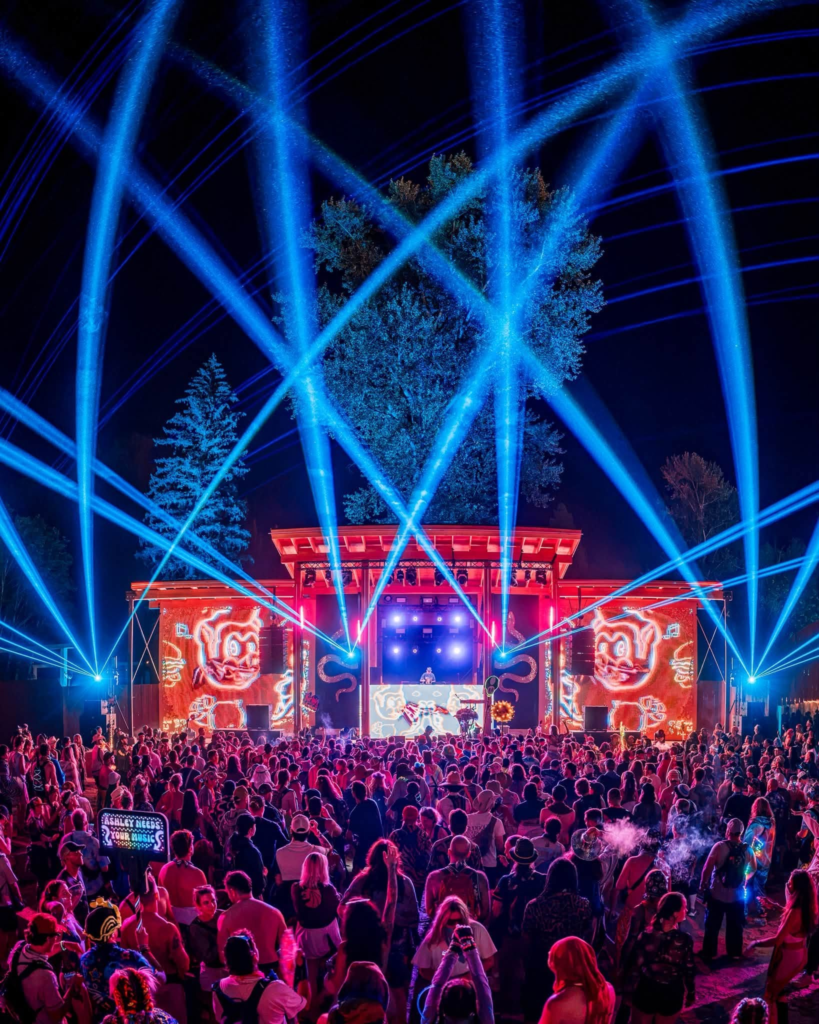
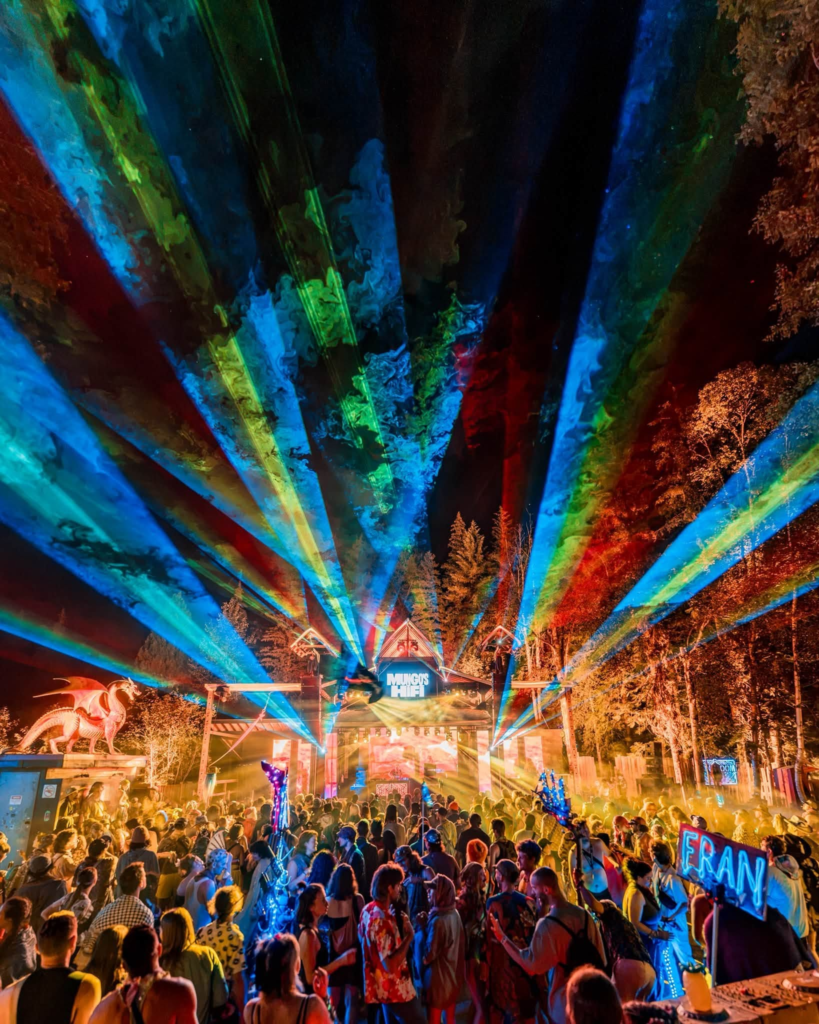
Still, Shambhala’s pièce de résistance is probably the Village. Bass music has long been the festival’s calling card and this stage honors the genre with a feast for the eyes and ears. Ornate carvings adorn treehouse walkways and towering spires that dwarf headbangers and skankers below, where one of the most advanced sound systems on the planet blasts the very best in dubstep and D&B.
Village stage directors Jeremy Bridge and Eroca Colins are also the founders of PK Sound, one of live music’s leading loudspeaker manufacturers and custom sound system operators. Every year, they outfit the Village with their latest and greatest robotic line array system, and the result is glorious.
PK rigs are deployed at every primary stage except the Grove, which moves plenty of bassweight on its own heralded Funktion-One system. You won’t find guardrails at any of the stages either. Hang on the stacks and feel the bass rattle your body or walk right up and stick your whole head in the bassbins if you want—just be sure to wear your earplugs.
Music: A+
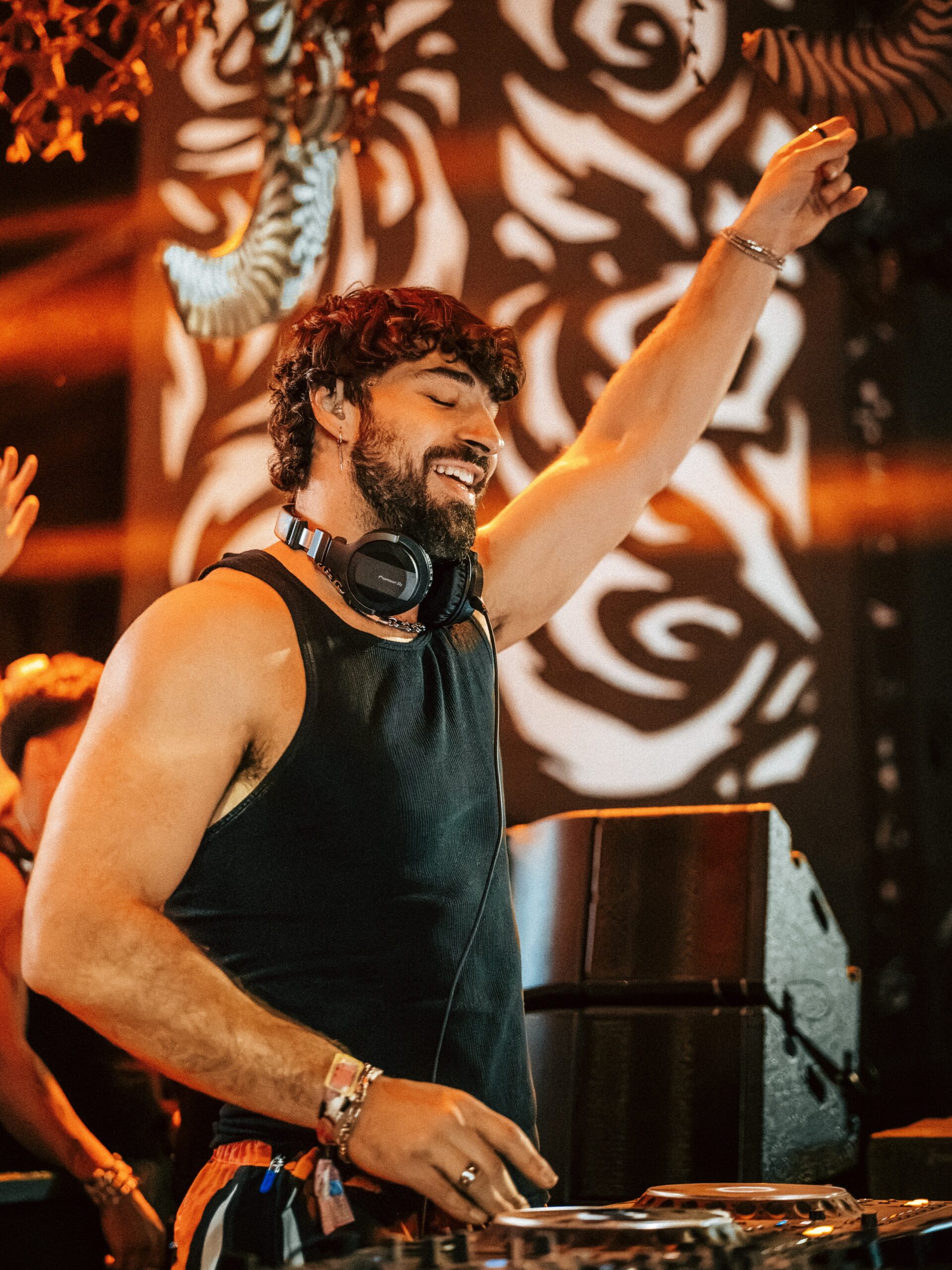
When it comes to holistic curation, Shambhala’s musical programming is second to none. Booking acts independently but cohesively (somewhat akin to a Burning Man sound camp), the directors of its six primary stages and their teams each bring a unique sonic experience to their own custom-built party paradise. Put them together and you get one of the most eclectic electronic lineups around. There is no other festival on the planet where you can catch Richard Finger and Orbital’s Phil Hartnoll in a span of mere hours.
As ever, this year’s lineup was distinctly Shambs from top to bottom. Festival-favorite openers SkiiTour kicked off the late afternoon party at the AMP on Thursday ahead of key sets from AHEE, Richard Finger, EAZYBAKED, Craze, and Longwalkshortdock. Meanwhile, the Living Room showcased deep house sounds from artists like Shawna (one-half of San Francisco duo KMLN) and Dirtybird affiliate Galen. Pagoda, open on Thursday for the first time ever, featured high-energy performances from Ben Fox, N2N, and stage director DJ Soup, before Jon Casey and Crankdat closed the evening with breakneck bass.
With the rest of the stages open the rest of the weekend, the full breadth of Shambhala’s musical offerings shined.
The AMP hosted massive experimental, UK bass and 140 sets from Flava D, Nikita, the Wicked, PEEKABOO, Benga, Truth (ft. PAV4N), Know Good, Liquid Stranger, Jkyl & Hyde, Villager, Taiki Nulight, Hamdi, and Badger. The Pagoda rolled on with a variety of sounds from house and techno to bass and UKG, featuring Justin Martin, Louis The Child, SIDEPIECE, Dr. Fresch, ATRIP, Boris Brejcha, Eli Brown, LYNY, Zingara, CloZee, Kai Wachi, Black Tiger Sex Machine, and SIPPY, among others.
Over in the Fractal Forest, anticipated sets included Chromeo, A-Trak, Solardo, The Sponges, Justin Jay, Matroda, Cloonee, Westend, and DJ Susan, while The Village welcomed massive bass names like Excision, Ganja White Night, Crankdat, Dimension, Grafix, Seven Lions, and LEVEL UP.
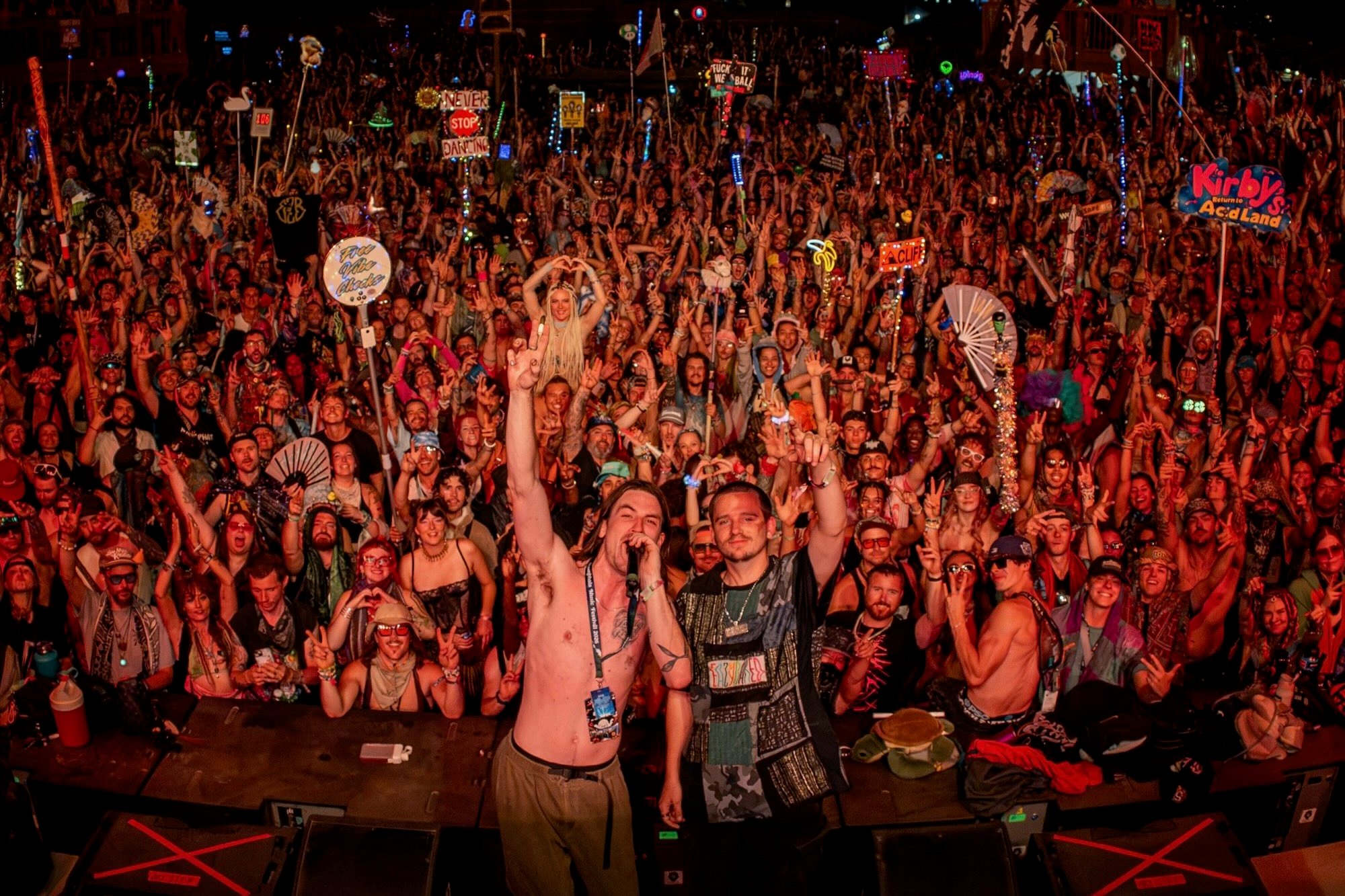
A variety of bassy broken beats were on display at the Grove, including a takeover from Denver’s all:Lo Collective (Alex Unger, pheel., parkbreezy, and TF Marz), Canadian UKG legend Jacques Greene, San Diego beatsmith Player Dave, and a massively popular performance from Chmura B2B Saturna, among others, plus alt-hip-hop favorites EARTHGANG. The Living Room slipped into the deep drums of Afro house and Amapiano across sets from AMÉMÉ and Uncle Waffles, along with underground staples like Machinedrum, Sam Binga, and Josh Wink.
Our personal highlights came away from the busiest peak-time sets. A DJ set from electroclash posterchild The Dare, a sunrise showing from minimal tech breakthrough Brunello, and a rare North American appearance from masked UK rave duo Two Shell took the cake at Pagoda. Damian Lazarus burned it down at the Living Room on Friday, and a sibling B2B from The Brother’s Macklovitch (A-Trak and Chromeo’s Dave1) eased us into Sunday night at Fractal Forest.
Our favorite set at the AMP was a special 140 set from UK D&B heavyweight Simula, featuring legendary British MC Jakes, and we’re still talking about the gauntlet of garage sets at the Grove, including ATW Records counterparts Main Phase and Interplanetary Criminal (who played one of the finest mixed sets we’ve ever heard), as well as a freewheeling B2B from juke legend DJ Swisha and genre icon Conducta.
Still, our hands-down favorite came on opening night: Phil Hartnoll, one-half of legendary UK acid house duo Orbital, which is perhaps the most defining and influential act of the rave scene’s most nascent years, played to a small but attentive crowd at the Living Room—and had a ball. After decades of touring across the globe, at the age of 62, he declared Shambhala one of, if not the, best festivals on the planet. It was only Thursday.
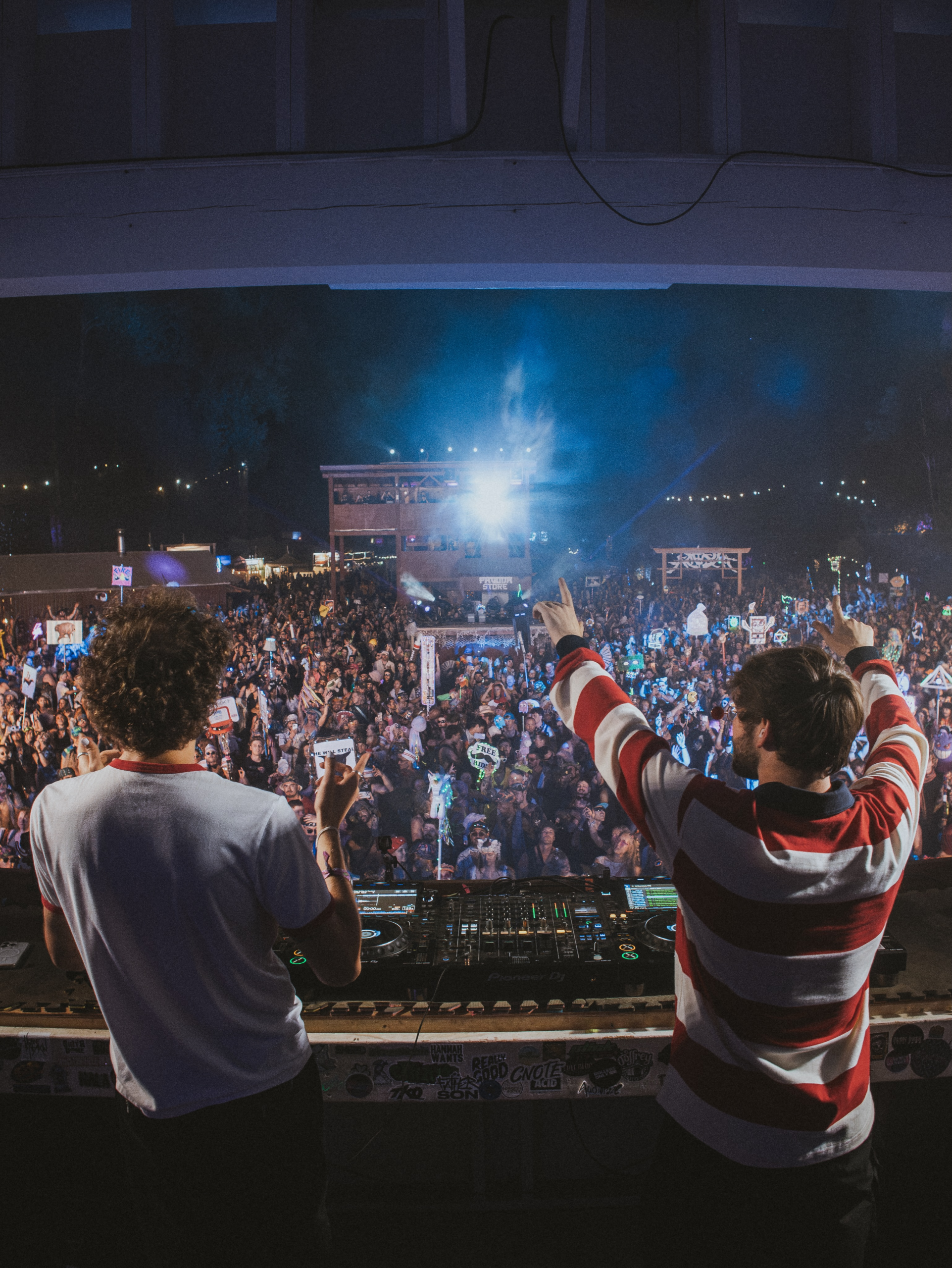
Beyond internationally touring acts, Shambhala’s Canadian resident DJs shape the festival’s flavor most of all, comprising a majority of its bookings and leaving their mark with curated takeovers, such as ill.Gates’ The Chillage and Smalltown DJs’ all-vinyl Fractal Funk Jam. Special props go to the local legends who return year after year: Z-Trip, The Funk Hunters, Stylust, Neon Steve, Slynk, RUMPUS, Joanna Magik, Father Funk, Rich-E-Rich (who runs Fractal Forest), and many many more. Shambs is still a fiercely independent event, and the proof is in the numbers. More than 80 percent of the festival’s 2026 artists were repped by homegrown Canadian talent agencies, according to BookingAgentInfo.com.
Moreover, Shambhala brings out a rare energy in the DJs as much as the ravers. The artists play so freely, and so leftfield. House staples Matroda and Cloonee each ripped at least 20 minutes of high-speed drum & bass at Fractal Forest. A set from your favorite artist at Shambs is bound to be different from any other time you’ve heard them play. Not many other events manage that.
Venue: A
Shambhala’s remote site in the Kootenays is truly something to behold.
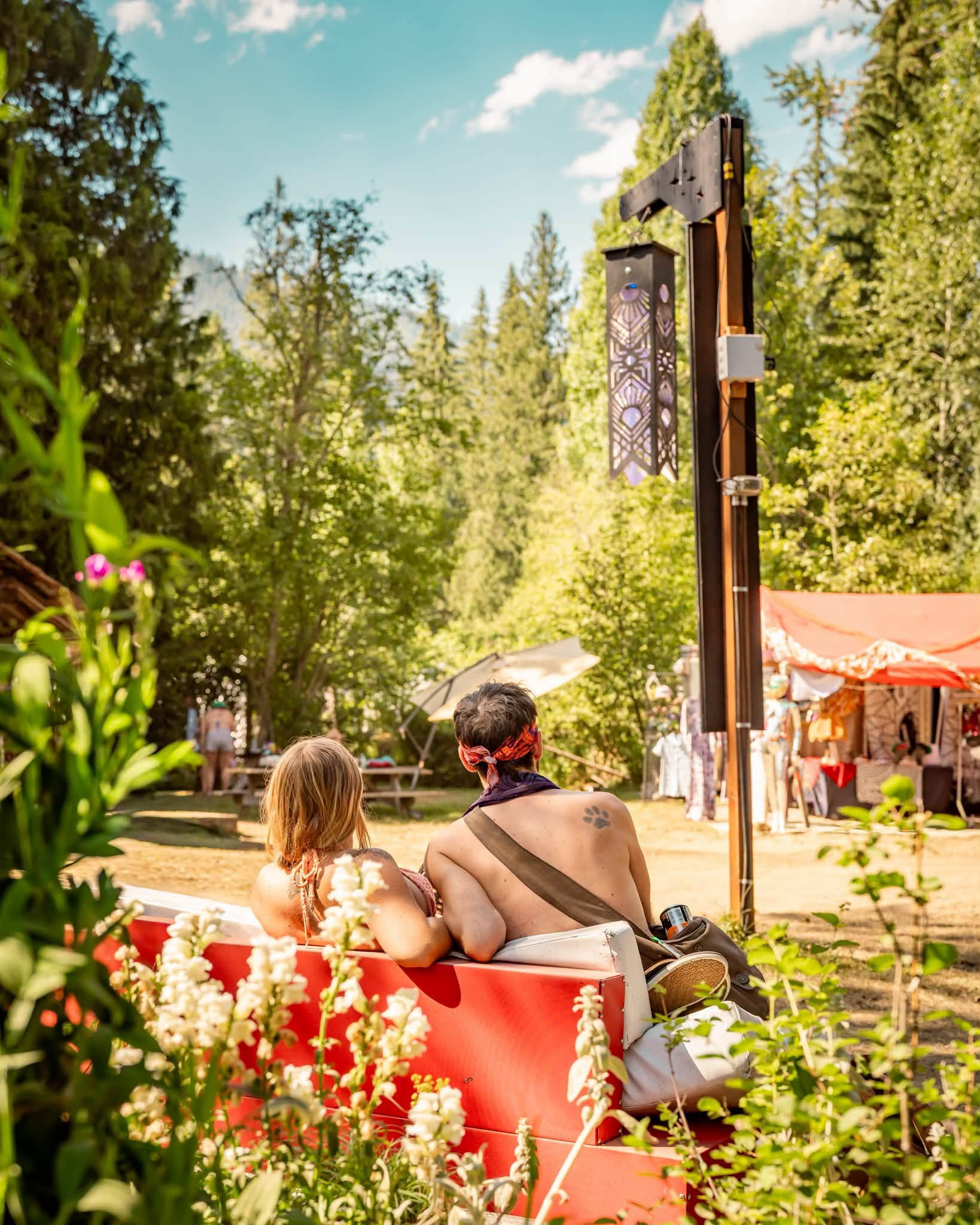
Towering old-growth cedar trees and Canada’s Rocky Mountain foothills jut into the horizon, while the crystal-clear Salmo River snakes through the hidden valley the festival calls home. The clean air and picturesque views add an unquestionable magnitude to the event. At any number of sets, we’d be locked into the music and then turn around to remember we were also in one of the most beautiful locations in Western Canada.
Salmo River Ranch is a constantly evolving venue that has been shaped by mother nature as much as the festival, and much of the area’s natural beauty is left untouched. As a result, four days of camping on the Farm is a notably rugged adventure, but we wouldn’t have it any other way.
We came out of the weekend as dirty and dusty as ever, but that’s just Shambhala’s charm. You’re truly out in the middle of nowhere, and everyone is in it together. We actually breathed a sigh of relief when a twig snapped under our feet on the dancefloor on Thursday—we were finally home.
Once on-site and through security, attendees—and their stuff—can move freely between the campgrounds and the main venue. Plenty of festivalgoers customized their daytime experience with wagons, chairs, tables, and other gear. We were happy to see that at night, chairs and much-maligned inflatable couches were always swapped for dancing shoes.
By day, downtown Shambhala—beautified even further with permanent art installations, flower beds, and live artists creating in real time—comes to life as an easy-going mountain escape, as ravers grab breakfast and coffee on their way down to the river. Jump in and wash away your sins from the previous night with a rejuvenating dip in the chilly water, cruise the length of the river on your favorite floaty, or bask in the sun on the rocky beach and watch the energy build as ravers send the “woo wave” from one end to the other.
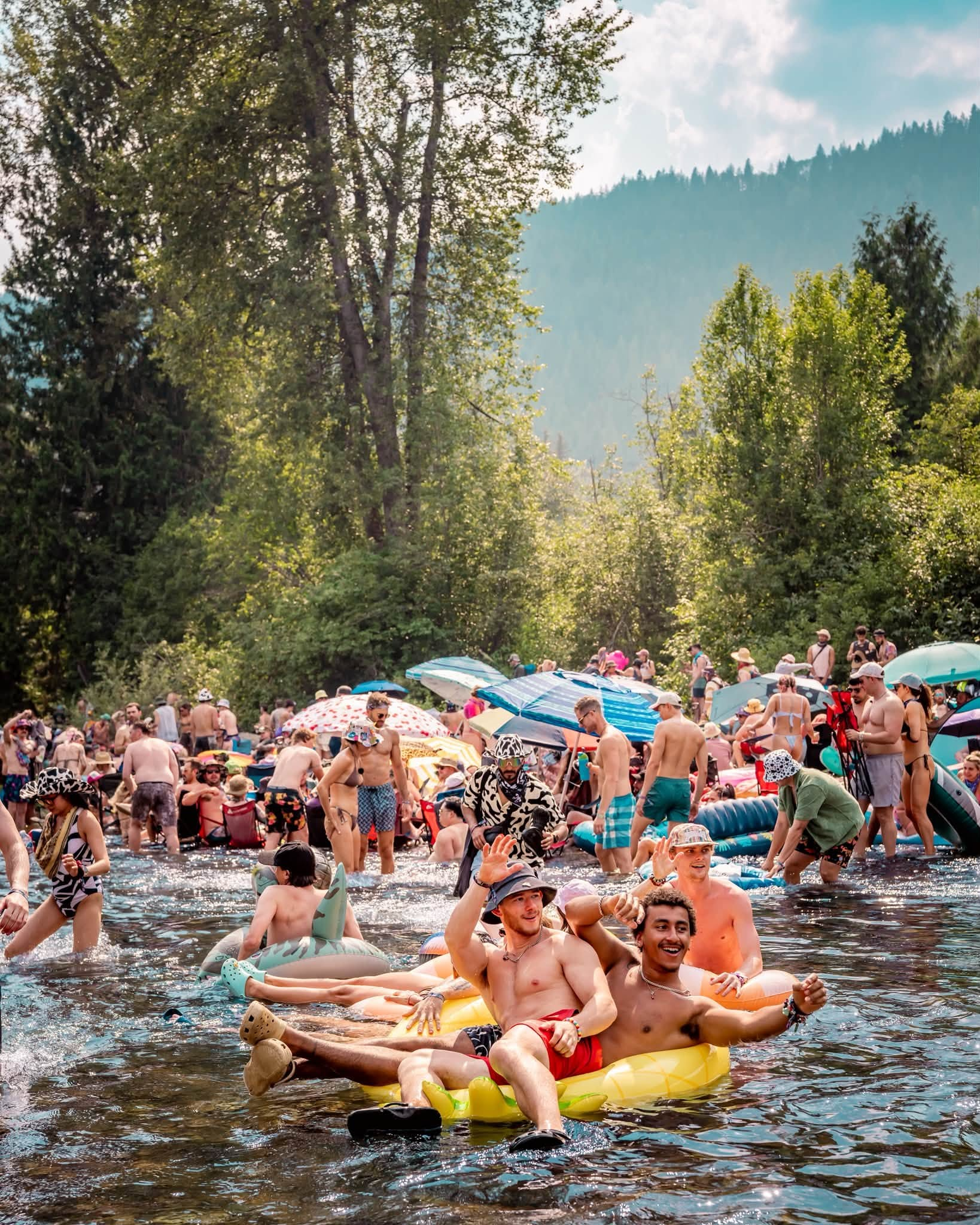
Though the venue and its facilities are more DIY than polished, every single man-made piece of Shambhala, from art pieces to benches and secret hideouts, has been deliberately placed there to serve a specific purpose. There are surprises around every corner.
For the most part, on the dance floor and throughout the venue, the freedom of movement at Shambhala is unmatched. The venue is well-sized for the festival’s roughly 20,000 capacity crowd, making it easy to navigate and hop from stage to stage. You can split your time between sets and barely miss a beat. Organizers also bring in temporary cell phone towers for the weekend, so its usually easy to locate your crew in the main venue.
Popular sets on smaller stages still get tight. This year, Liquid Stranger packed out the AMP, Chmura B2B Saturna brought the biggest crowd to the Grove that we’ve seen, and the Village is always a bit tricky to squeeze through at peak time, but bring your manners and be mindful of those around you and you can get pretty much anywhere you need to be.
The only other significant logistics issues we experienced were lengthy lines to park and enter the campground, and leave when the weekend was over. Though much shorter then the over six-hour entry waits reported on Tuesday, it took us about two hours to park when we arrived at around 11PM on Wednesday night. Exit lines were reportedly similarly lengthy on Monday afternoon, but Shambhala allows guests to stay and rest up until Tuesday if needed. By then, we were out in a flash.
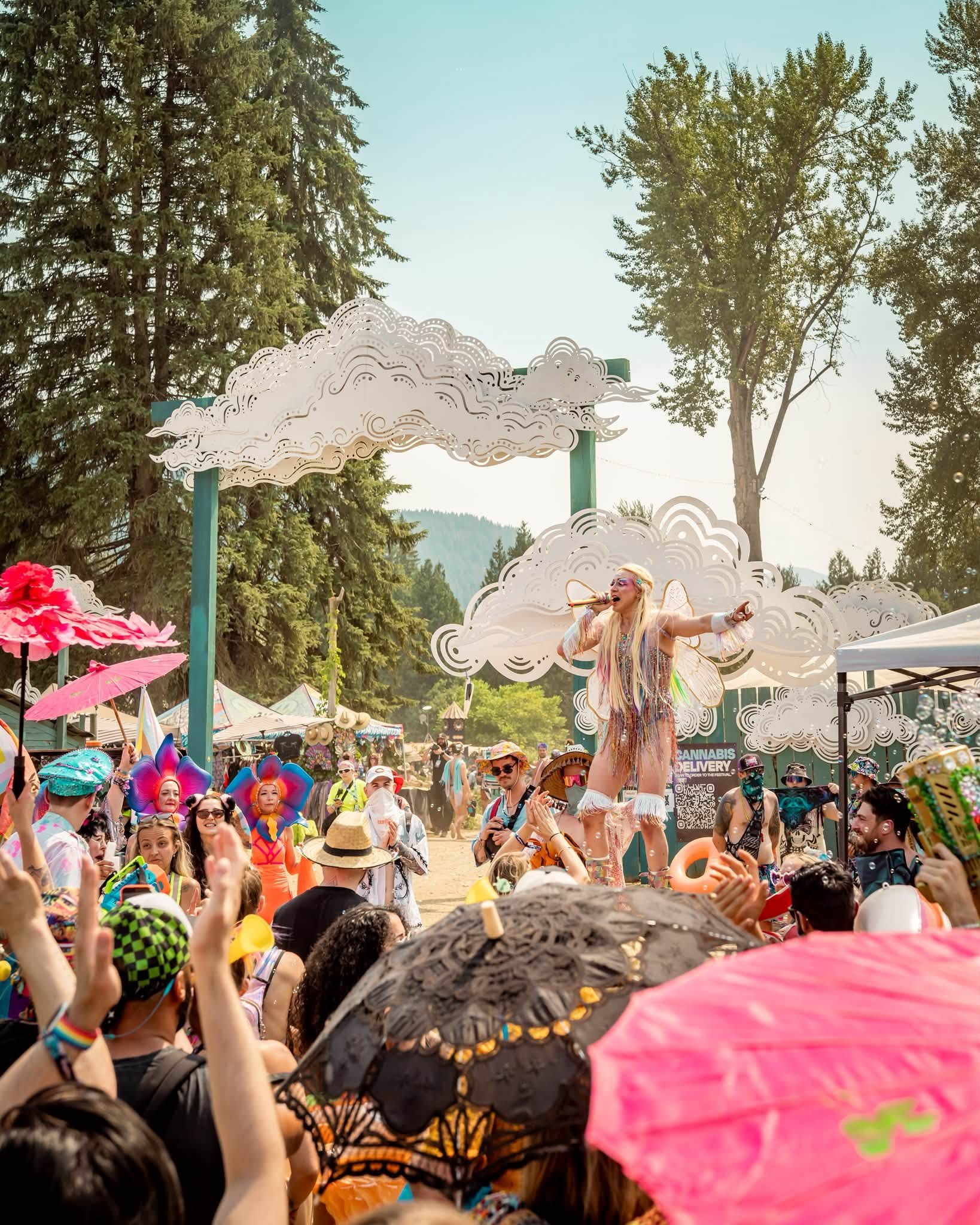
Sidequest-ability: A
Visiting Shambhala is a sidequest in itself, and there’s still so much to explore.
Beyond its six main stages, the festival is home to four more smaller dancefloors. Making use of the AMP’s old candy-striped canopy, the Riverside stage, located near Shambhalodging (the festival’s glamping campground), runs all four days. Though it doesn’t come out until the week of the festival, Riverside does have an officially posted schedule on the Shambhala app, and usually plays host to emerging Canadian talent and uniquely curated sets from festival staples, such as K+Lab’s Thursday night D&B performance.
Shambhala’s beloved secret stages, however, are actually a secret. You won’t find them on a map or the schedule, but let your curiosity guide you down winding pathways and hidden corners, and you’ll uncover the Rabbit Hole, a smaller well-lit dance floor spotlighting rising artists on its crisp and clean HSD rig (the only one in Canada), as well as Ikigai Mori, a tiny hole-in-the-wall stage styled like a Japanese garden, featuring surprise performances from some of the festival’s key acts. Down at Muscle Beach, The Hive runs its own renegade party at its campsite by the river.
The Secret Garden is home to most of Shambhala’s wellness and non-musical programming. By day, stretch out with a yoga session, melt into sound bath, learn Thai massage, or clown around with circus pros before the stage hosts downtempo music performances at night. Near the Secret Garden and in downtown Shambhala, the festival hosts two separate art galleries where guests can view and purchase works made at the festival by talented local artists.
Attendee organized events, such as clothing swaps, meetups, and the festival-famous Pizza Float are time honored traditions, while Theme Camps built throughout the grounds by Shambs veterans are a welcoming place to chill and meet new people. Other favorites include puppetry, theater troupes, shopping high-quality clothing vendors or grabbing stage-specific merch, and countless take-one-leave-one trinket trading posts across the whole of the festival site.
Still, the best sidequest of all is interacting with and connecting with your fellow Farmily.
Food & Beverage: B
It might not have the fancy menus of other major festivals, but the food at Shambhala is damn good.
You’ll find a wide variety of tasty dishes at various food trucks and permanent kitchens in downtown Shambhala. Festival favorites include pizza by the slice and the whole pie (made in a real pizza oven installed on the Farm), Jamaican food, Canadian poutine, Japanese Kara-age bowls, Teriyaki chicken, Thai food, Bannock, mini donuts, döner kebabs and gyros, breakfast sandwiches, hearty wraps and salads, and pierogies. Portion sizes are always generous.
Chicken or beef bone broth is a great way to fight the early morning chill, and there are vegan and vegetarian options available at almost every kitchen. The same food vendors come back to the Farm each year, which makes grabbing that late bite almost like revisiting an old favorite restaurant.
Though no alcohol is sold or permitted at Shambhala, staple non-alcoholic drinks like bottled water, Gatorade, yerba mate, and slushies are widely available to keep you hydrated and cool. The festival also features permanent smoothie and coffee counters where you can grab a sweet treat or fresh cup of joe. Spring-fed water stations are also available for a free fill-up.
Though prices may seem high at first to those visiting from the United States, exchange rates currently favor the U.S. dollar, so you can shave around 25 percent off the total posted menu prices. Most meals prices topped out at $25 CAD (around $17 USD).
It’s also worth noting that because food vendors are camped in the wilderness just like the rest of us, many popular menu items sell out by Monday morning.
Overall: A
Shambhala is one of the best raves we’ve danced at—full-stop. And in an era of dissonance between electronic music events past and present, we don’t use the word “rave” lightly, either. Shambs is one of the raviest festivals out there. It might be the closest you can get to time traveling back to the scene’s early heyday.
Most week-long parties would leave us dragging, but every year, we leave Shambhala more energized than when we arrived. It’s a reminder of what our scene was founded on and a reminder of why we do this in the first place.
Yes, massive commercially successful superstars headline Shambhala, but the experience, and the stage, is shared with the same life-long music lovers and local DJs who have soundtracked the festival since the beginning. It’s not an event run by high-powered executives and agents serving some lofty financial agenda, its a down-home party run by the same Canadian hippies who started it almost three decades ago.
Other festivals around the world perhaps offer a more truly untouched, renegade feel, but what’s special about Shambhala is that it does both:
You get the communal rush of a large-scale festival and the intimacy of a private party. You get the renegade, sponsorless looks of parties past and the massive production of a modern event. You get the clossal EDM headliners and the local heroes who have made up the backbone of the festival for decades. You get the firmly underground ethos and none of the pretentiousness.
Balancing growth with a retention of values, spirit, independence, and the stateside community’s colorful, silly, loved-up roots, it’s the one party we think defines the North American rave scene at its best.
Featured image courtesy: Shambhala Music Festival.